
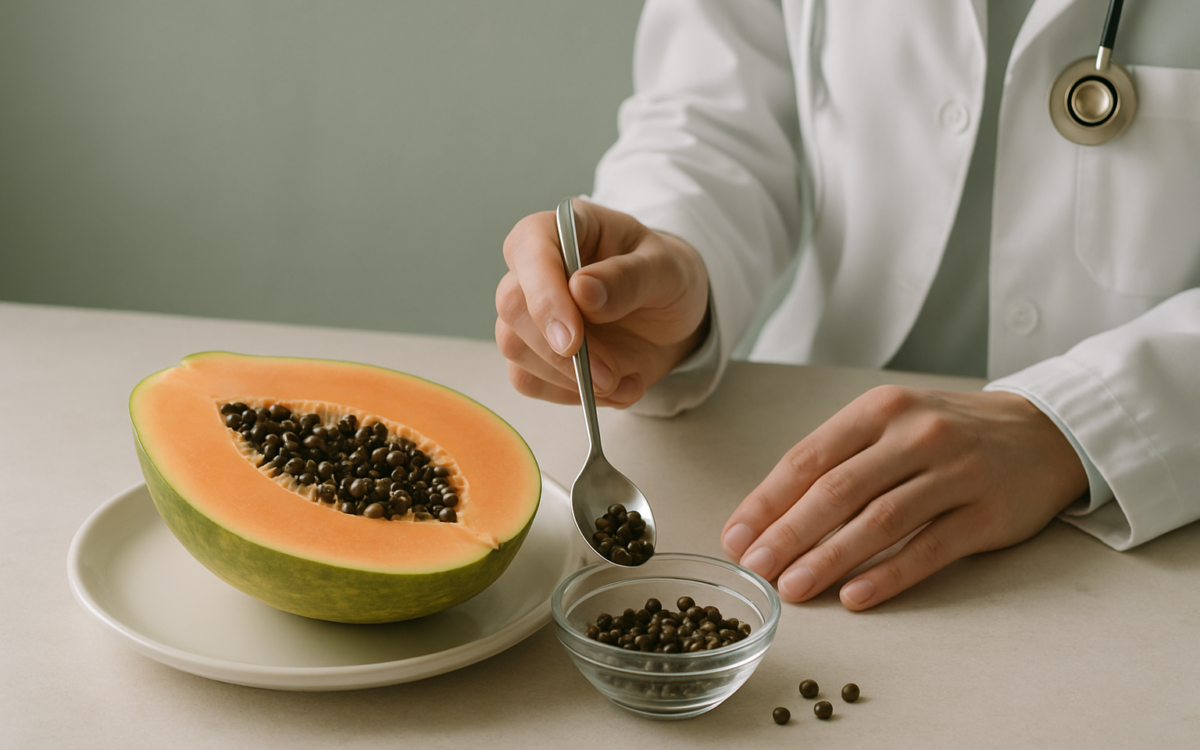
Papaya, known for its sweet and juicy flesh, is a tropical fruit that has gained popularity for its numerous health benefits. But what about its seeds? You might wonder if they’re edible or if they offer any nutritional value. Let’s delve into this topic to uncover the risks, benefits, and culinary uses of papaya seeds.
Are Papaya Seeds Edible?
Yes, papaya seeds are indeed edible. They have a unique flavor that’s often described as peppery, somewhat similar to black pepper, and they can be used in various dishes. While many people simply discard the seeds, they can be a nutritious addition to your diet if consumed in moderation.
Nutritional Benefits of Papaya Seeds
Papaya seeds are packed with nutrients that can contribute to your overall health. Here are some notable benefits:
- Rich in Antioxidants: Papaya seeds contain antioxidants, including vitamin E and polyphenols, which help combat oxidative stress in the body.
- Digestive Health: They are known to support digestive health due to their high fiber content, which aids in digestion and regular bowel movements.
- Potential Anti-Inflammatory Properties: Some studies suggest that papaya seeds may reduce inflammation due to their active compounds, potentially benefiting conditions like arthritis.
- Liver Health: Traditional medicine often uses papaya seeds for their potential to support liver function. Some studies indicate they could help in detoxifying the liver.
How to Use Papaya Seeds
If you’re interested in incorporating papaya seeds into your diet, here are a few ways to do so:
- Raw: You can consume them raw by simply scooping out the seeds from a ripe papaya and chewing them.
- Ground: Another popular method is to dry and grind the seeds into a powder that can be sprinkled on salads, smoothies, or soups.
- Infused: You can also infuse them in vinegar or oil to create a flavorful dressing.
Potential Risks of Eating Papaya Seeds
While papaya seeds have their benefits, they are not without risks. Here are a few things to consider:
- High in Calories: Though nutritious, papaya seeds are calorically dense. Consuming them in large quantities could contribute to weight gain.
- Allergic Reactions: Some people may be allergic to papaya seeds or the enzymes in them, resulting in gastrointestinal upset or other allergic reactions.
- Pregnancy Concerns: Pregnant women are generally advised to avoid eating papaya seeds due to their potential to affect hormonal balance.
How Many Papaya Seeds Can You Eat?
Moderation is key when consuming papaya seeds. A daily intake of 1-2 teaspoons of seeds is generally considered safe for most individuals. Overconsumption could lead to adverse effects, such as digestive discomfort or an upset stomach. If you are unsure about how papaya seeds might affect you, it’s best to consult your healthcare provider.
Scientific Research and Findings
Research into the health benefits of papaya seeds is still evolving. Studies have shown some promising results, such as their potential antimicrobial properties and benefits for digestion and liver health. However, more research is needed to confirm these effects conclusively. For instance, a study published in the National Library of Medicine suggested that certain compounds in papaya seeds could have antimicrobial effects against specific bacteria.
When to See a Doctor
If you experience any adverse effects after consuming papaya seeds, such as unusual gastrointestinal discomfort, allergic reactions, or if you’re pregnant and have concerns about dietary choices, it is important to consult your doctor. Your healthcare provider can offer personalized advice based on your health history and current conditions.
In conclusion, papaya seeds are not only edible but may also provide health advantages when eaten responsibly. While they can enhance nutritional intake, remember to consume them in moderation and be mindful of how your body reacts to new foods. As always, if in doubt, consult with your healthcare provider before making significant changes to your diet.
