
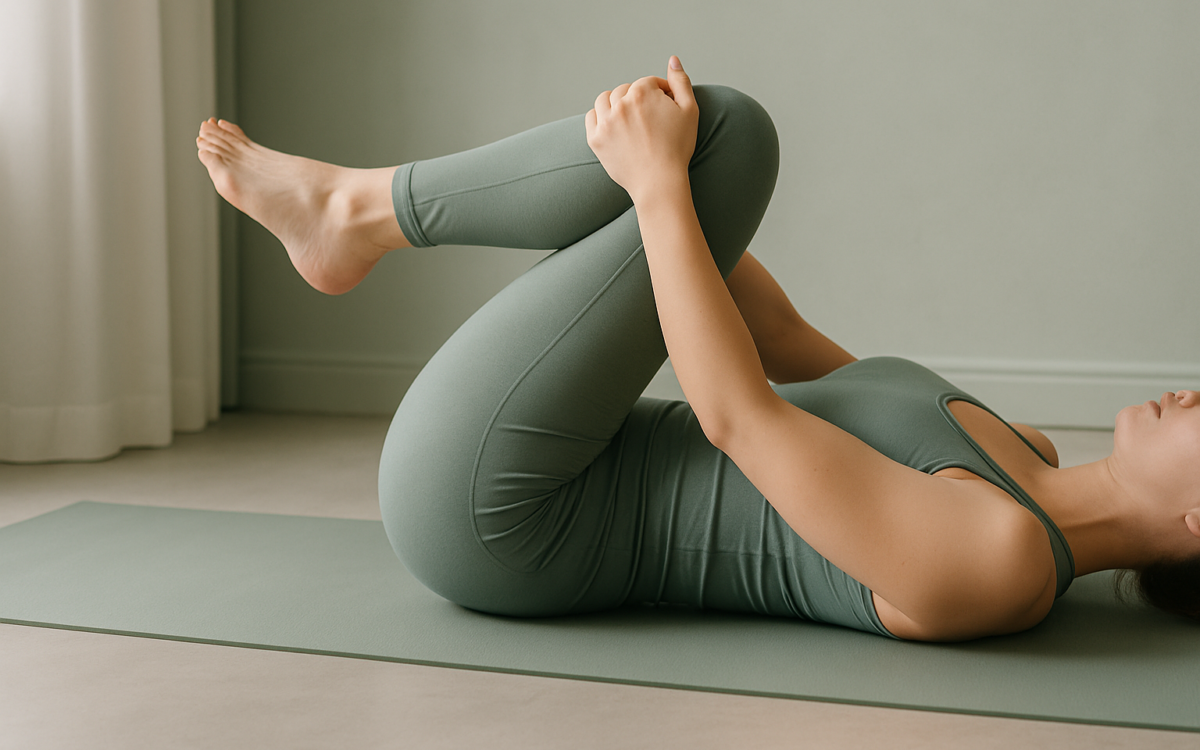
Constipation is a common issue that affects many people at some point in their lives. It can lead to discomfort, bloating, and frustration as you search for relief. While dietary changes and medications are often the first things that come to mind, yoga offers a gentle yet effective approach to boost digestive health. This ancient practice not only nurtures your body but also encourages mindfulness and relaxation, both of which can play a role in achieving regularity in your digestive system.
The Connection Between Yoga and Digestive Health
Yoga is often celebrated for its ability to reduce stress, improve flexibility, and enhance overall wellness. Interestingly, its impact on digestion is profound and goes beyond mere physical benefits. Stress can contribute to digestive issues, including constipation. By fostering relaxation, yoga helps to activate the parasympathetic nervous system, which is responsible for improving digestion and promoting a healthy gut. According to a study from the National Institutes of Health, yoga may positively affect digestive disorders.
Simple Yoga Poses to Help Relieve Constipation
Certain yoga poses can directly stimulate the digestive tract, enhancing peristalsis—the series of muscle contractions that move food through the digestive system. Here are some simple poses you can incorporate into your routine:
-
Cat-Cow Stretch
This gentle stretch helps flex and extend the spine while massaging your abdominal organs. Start on your hands and knees in a tabletop position. As you inhale, arch your back and tilt your pelvis up (Cow pose). On the exhale, round your back, drawing your chin to your chest (Cat pose). Repeat 5-10 times.
-
Forward Fold
This pose promotes blood flow to the digestive organs and stimulates peristalsis. Stand with your feet hip-width apart. Inhale, reaching your arms overhead. Exhale as you hinge at the hips to fold forward, allowing your head to hang. Hold for a few breaths, then roll up slowly.
-
Supine Twist
Twists are wonderfully effective for digestion. Lie on your back, hug your knees into your chest, and let your knees fall to one side while keeping your shoulders on the floor. Hold for 5-10 breaths, then switch sides.
-
Bridge Pose
This pose opens the chest and stimulates the abdominal organs. Lie on your back with your knees bent and feet flat on the floor. Press your feet into the ground, lift your hips toward the ceiling, and hold for several breaths before lowering down.
The Role of Breath in Yoga and Digestion
Breath control, or pranayama, is an integral part of yoga that can further enhance its effects on digestion. Deep breathing exercises help calm the mind and stimulate the autonomic nervous system. The following technique can be beneficial:
-
Abdominal Breathing
While lying down or sitting comfortably, place one hand on your abdomen and the other on your chest. Inhale deeply through your nose, allowing your abdomen to rise. Exhale slowly through your mouth. Aim for a steady rhythm, focusing on relaxing your body during each breath.
Creating a Yoga Routine for Digestive Health
To maximize the benefits of yoga for constipation relief, consider creating a set routine. Aim for at least 15-30 minutes of yoga practice a few times a week. Make it more enjoyable by adding soothing music or practicing in a serene space. Include poses that engage your core and abdominal area, and pair them with deep breathing.
Additionally, consider the time of day you practice. Early morning is a great time for gentle stretches to wake up the body, while evening sessions can help release the day’s tension and promote relaxation.
Complementing Yoga with Other Lifestyle Changes
While yoga can be a powerful aid for constipation relief, it works best when combined with other healthy habits. Here are some lifestyle tips to consider:
- Hydration: Drink plenty of water throughout the day to help soften stool.
- Fiber Intake: Include more fiber-rich foods in your diet, such as fruits, vegetables, and whole grains.
- Regular Exercise: Along with yoga, incorporate other forms of movement such as walking or swimming to promote overall digestive health.
When to See a Doctor
While yoga and lifestyle changes can help alleviate occasional constipation, it’s essential to consult your doctor if you experience severe pain, blood in your stool, or ongoing digestive issues lasting more than a few weeks. Your healthcare provider can determine if there’s an underlying condition that requires treatment.
Conclusion
Constipation can be uncomfortable and frustrating, but yoga offers a holistic way to encourage digestive regularity. By focusing on gentle movements, mindful breathing, and overall wellness, you can support your body in finding relief. Remember that everyone’s body is unique, so listen to your own needs and consult with a healthcare provider when necessary. Embrace yoga as part of your wellness journey, and you may find that it benefits not only your digestive health but your overall well-being as well.
