
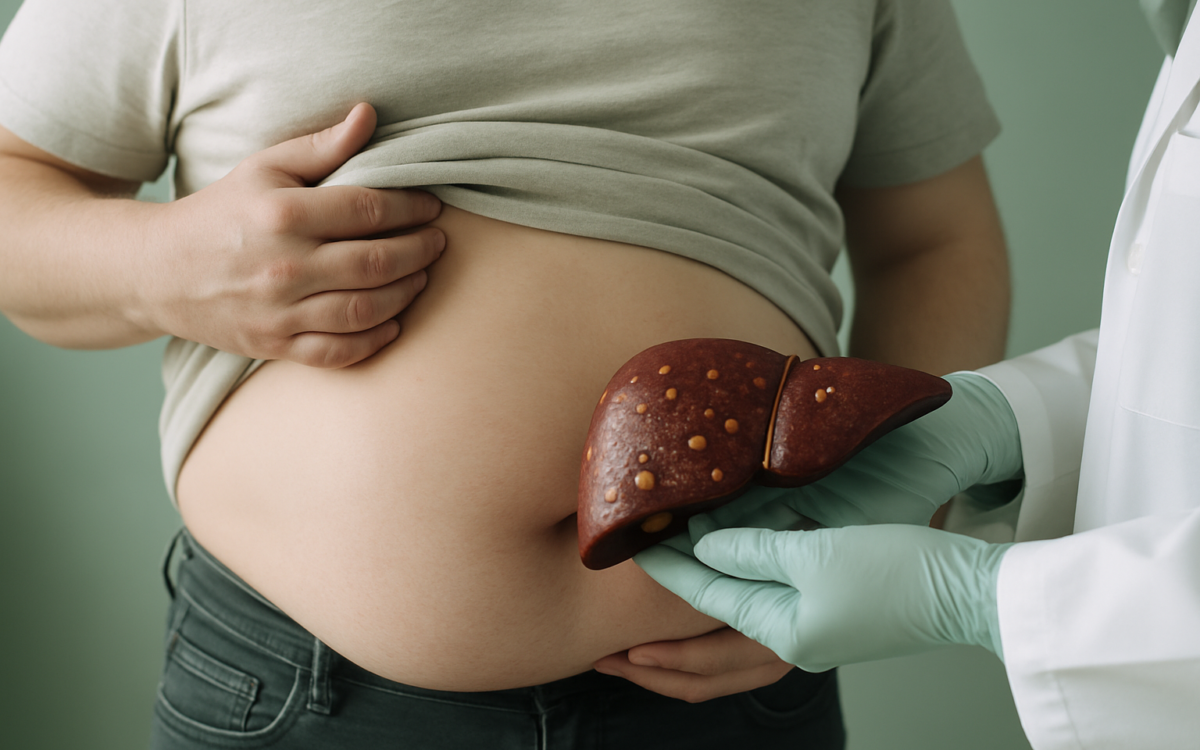
Fatty infiltration of the liver, also known as hepatic steatosis, is a condition where excess fat builds up in liver cells. This can happen for various reasons and can affect people of all ages. In many cases, the condition may not cause any noticeable symptoms, yet it can have significant long-term health implications. Understanding what leads to fatty infiltration and how to manage it is essential for maintaining liver health and overall well-being.
What is Fatty Infiltration of the Liver?
The liver is a vital organ responsible for many functions, including detoxification, metabolism, and storage of nutrients. When the liver contains more than 5-10% fat, it may be diagnosed with fatty liver disease. This condition can be classified primarily into two types:
- Alcoholic Fatty Liver Disease: Caused by excessive alcohol consumption.
- Non-Alcoholic Fatty Liver Disease (NAFLD): Occurs in people who drink little to no alcohol and is often associated with obesity, diabetes, and other metabolic disorders.
Causes of Fatty Liver Disease
There are several factors that may contribute to fatty infiltration of the liver, including:
- Obesity: Carrying excess weight significantly increases the risk of developing NAFLD.
- Insulin Resistance: This condition means that the body’s cells do not respond effectively to insulin, leading to increased fat storage in the liver.
- High Blood Sugar: Diabetes and prediabetes can also elevate the risk of fatty liver.
- High Cholesterol and Triglycerides: Elevations in these blood fats can contribute to liver fat accumulation.
- Medications: Certain medications can lead to fatty infiltration of the liver as a side effect.
- Rapid Weight Loss: Losing weight too quickly can also result in fatty accumulation in the liver.
Symptoms of Fatty Infiltration of the Liver
Many people with fatty liver disease may not experience symptoms. When symptoms do appear, they can include:
- Fatigue
- Discomfort in the upper right abdomen
- Unexplained weight loss
- Weakness
It’s important to recognize that even in the absence of symptoms, fatty liver can lead to more serious conditions, including inflammation, liver fibrosis, and cirrhosis if left untreated.
Diagnosis and Screening
To diagnose fatty infiltration of the liver, healthcare providers typically start with a physical examination and review of medical history. They may order blood tests to assess liver function and fat levels. Imaging tests like ultrasound, CT scans, or MRI may also be employed to visualize fat deposits in the liver. In some cases, a liver biopsy might be recommended to determine the extent of liver damage or to rule out other conditions.
Managing Fatty Liver Disease
The management of fatty infiltration of the liver primarily focuses on addressing the underlying causes. Here are some effective strategies:
- Weight Loss: Losing even a small percentage of body weight can significantly improve liver health. A gradual and balanced approach to weight loss is often recommended.
- Healthy Diet: A diet rich in fruits, vegetables, whole grains, and healthy fats can help reduce fat buildup in the liver. Limiting added sugars and saturated fats is also critical.
- Regular Exercise: Engaging in regular physical activity helps maintain a healthy weight and improves insulin sensitivity.
- Control Blood Sugar and Cholesterol Levels: Managing diabetes and cholesterol levels can reduce the risk of liver fat accumulation.
- Avoid Alcohol: If you’re diagnosed with alcoholic fatty liver disease, it’s crucial to abstain from alcohol to prevent further liver damage.
Overall, lifestyle modifications play a pivotal role in managing the condition.
Potential Complications
If fatty infiltration of the liver progresses, it can lead to serious complications such as:
- Liver Inflammation (Steatohepatitis): This can cause damage and scarring of liver tissue.
- Liver Fibrosis: Increased scarring can progress to cirrhosis, which is life-threatening.
- Liver Cancer: Chronic liver damage can increase the risk of liver cancer.
Monitoring your liver health with regular check-ups is essential if you’re at risk for developing complications.
When to See a Doctor
If you experience symptoms of fatigue, abdominal discomfort, or any unexplained changes in your health, it’s important to consult with a healthcare provider. They can evaluate your symptoms and recommend appropriate testing to determine if fatty infiltration of the liver or another condition might be causing your symptoms.
Also, if you know you are at risk due to obesity, diabetes, or other metabolic conditions, regular screenings can help detect any liver issues early.
Conclusion
Understanding fatty infiltration of the liver is crucial for anyone concerned about their liver health. With lifestyle changes and early intervention, it is possible to manage the condition and reduce the risk of severe complications. Maintaining a healthy weight, following a balanced diet, and staying active are all key steps toward preventing and managing this common health issue. For more information on fatty liver disease, you can explore resources from trusted organizations such as the NIH and the Mayo Clinic.
