
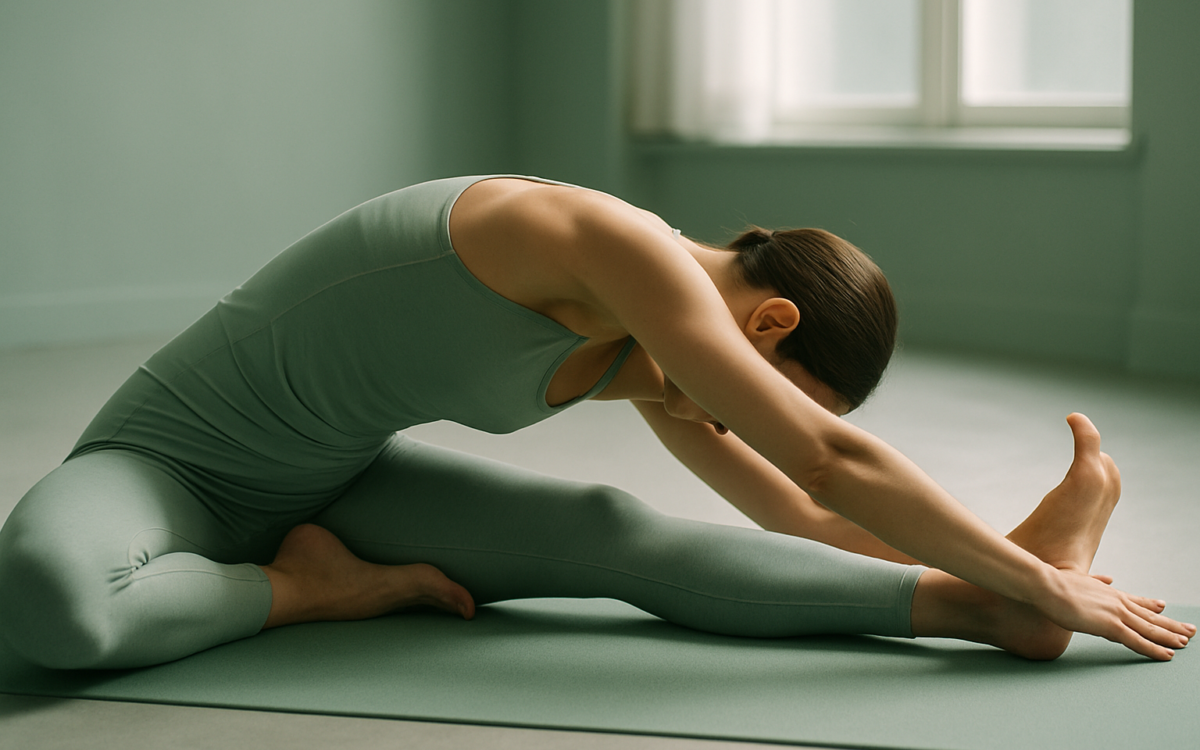
Stretching is an often-overlooked aspect of a well-rounded fitness routine. It’s not just for seasoned athletes; complete body stretching can benefit everyone, from office workers to avid runners. Engaging in these activities regularly can lead to improved flexibility, reduced muscle tension, and a greater sense of overall well-being.
What is Complete Body Stretching?
Complete body stretching refers to a series of stretches that target all major muscle groups. It involves dynamic stretches, which are performed as movements, as well as static stretches, which are held for longer periods. Incorporating stretching into your routine can enhance performance, improve posture, and decrease the risk of injury.
Benefits of Complete Body Stretching
Whole-body stretching offers a myriad of benefits that extend beyond physical flexibility. Here are some key advantages:
- Improved Flexibility: Stretching helps your muscles lengthen, making it easier to perform everyday activities and reducing stiffness.
- Enhanced Blood Circulation: Regular stretching promotes better blood flow, which can aid muscle recovery and contribute to overall cardiovascular health.
- Tension Relief: Stretching can help alleviate stress and muscle tension, making it a great remedy after a long day.
- Injury Prevention: By warming up your muscles, stretching can help prevent strains and sprains during activities.
Types of Stretches to Include
When planning a complete body stretching routine, it’s important to include several types of stretches that target different areas of the body. Here are some categories to consider:
Static Stretches
Static stretches are great for improving flexibility and are especially effective after your workout. When performing static stretches, hold each position for 15-30 seconds. Examples include:
- Hamstring Stretch: Sit on the floor with your legs extended.Reach towards your toes while keeping your back straight.
- Quadriceps Stretch: Standing up, pull one ankle towards your glutes while keeping your knees together.
Dynamic Stretches
Dynamic stretches are performed through movement and are best suited for warming up before exercise. Examples include:
- Leg Swings: Stand while swinging one leg forward and back, then switch legs.
- Arm Circles: Extend your arms out to the side and make small circles to warm up your shoulders.
Creating Your Complete Body Stretching Routine
To get started with complete body stretching, follow these simple steps:
- Warm Up: Begin with light aerobic activity, such as jogging in place or brisk walking, for 5-10 minutes. This helps to elevate your heart rate and prepare your muscles.
- Select Your Stretches: Choose a mix of static and dynamic stretches. Aim for a routine that takes around 15-30 minutes.
- Ensure Balance: Include stretches for each major muscle group: legs, back, shoulders, and arms to ensure overall flexibility.
- Listen to Your Body: Pay attention to what feels good and avoid pushing into painful positions.
Incorporating Stretching into Your Daily Life
Stretching doesn’t have to be a chore; it can easily be integrated into your daily routine. Here are some ideas:
- Morning Routine: Spend 5-10 minutes each morning doing some stretches to wake up your body.
- Work Breaks: Take short breaks every hour to stretch, especially if your job involves sitting for long periods.
- Before Bed: A gentle stretching routine before bedtime can help you unwind and improve your sleep quality.
When to See a Doctor
If you experience persistent pain while stretching, or if you have a recent injury, it’s essential to consult a healthcare professional. Chronic pain or discomfort could indicate a more serious underlying issue that may require treatment. For more information, you can refer to resources such as the NIH or the Mayo Clinic.
Conclusion
Complete body stretching is a simple yet effective way to enhance flexibility, reduce tension, and promote overall health. By incorporating a well-rounded routine into your life, you can unlock not only your body’s potential but also enhance your quality of life. Remember, listening to your body and consulting with a professional when necessary is key to safe and effective stretching.
