
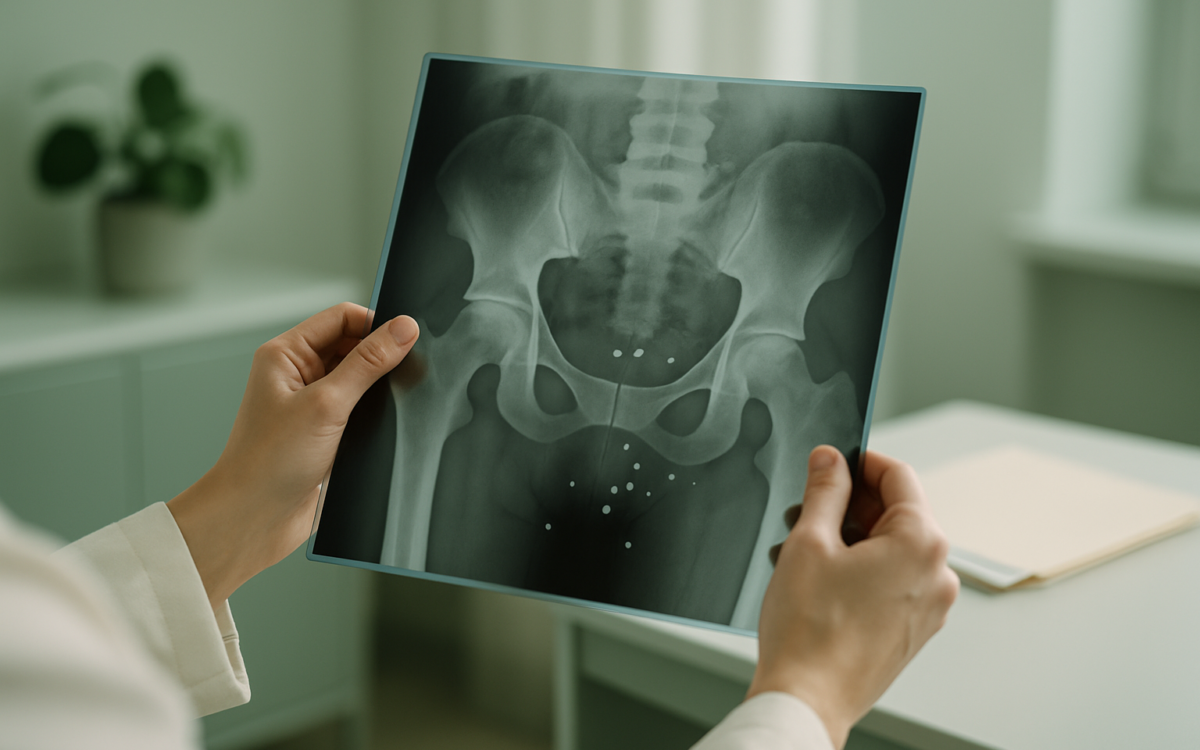
Phleboliths are small, round calcifications that can form in veins, particularly in the pelvic region. While they might sound alarming, these little stones are often harmless and usually discovered incidentally during imaging tests like X-rays or CT scans. Understanding what phleboliths are, why they form, and their implications for health can be incredibly helpful. Let’s explore this topic further.
What Are Phleboliths?
Phleboliths are calcified masses that typically develop within the veins, especially in areas like the pelvis. They’re formed when blood clots become calcified, or when calcium deposits accumulate around a clot. Although they may resemble stones found in the urinary tract or gallbladder, phleboliths are quite different in nature.
How Common Are Phleboliths?
These formations are surprisingly common. Studies have shown that phleboliths can be found in several population groups, especially among older adults. One study indicated that more than 50% of individuals over the age of 50 might have phleboliths visible on radiographic imaging ([source](https://www.ncbi.nlm.nih.gov/)).
Causes of Phlebolith Formation
The exact causes of phlebolith formation are not entirely understood, but there are several factors that contribute:
- Age: As people age, the veins may become more prone to changes, leading to the formation of phleboliths.
- Venous stasis: Conditions that cause stagnant blood flow in the veins can increase the likelihood of these calcifications.
- Blood clots: Previous blood clots may become calcified over time.
- Health conditions: Certain medical conditions, such as obesity and venous insufficiency, can also play a role in phlebolith formation.
Symptoms and Diagnosis
Most people with phleboliths experience no symptoms at all, which is why they’re often discovered incidentally during diagnostic imaging for unrelated health issues. For many, their presence does not signal any serious health concern. However, in some rare cases, they may be associated with discomfort or pain if they exert pressure on nearby structures.
Diagnosis typically involves imaging tests, including:
- X-rays
- CT scans
- Ultrasound
Health professionals usually evaluate these images to make a determination. If phleboliths are present, they will generally be noted without further action required.
Treatment Options
In most cases, treatment is not necessary for phleboliths as they are benign and do not lead to serious health issues. Monitoring may be recommended during routine checkups or if the patient experiences any discomfort. If the phleboliths are suspected to be associated with other vascular issues or if they affect blood flow, a healthcare provider may explore further evaluation.
Potential Complications
Complications from phleboliths are rare but can include:
- Pain: If the phleboliths press on surrounding structures, discomfort may arise, necessitating medical review.
- Misdiagnosis: Occasionally, phleboliths can be mistaken for other, more serious conditions, such as stones in the urinary tract.
It is important to have a clear understanding from a healthcare provider to rule out any other explanations for symptoms.
When to See a Doctor
Consult a healthcare professional if you experience any of the following:
- Pelvic pain or discomfort
- Unexplained swelling in the pelvic area
- Changes in urinary habits or frequency
- Symptoms associated with deep vein thrombosis (DVT), such as swelling and pain in the legs
While most phleboliths are harmless, it’s important to be vigilant and consult a healthcare provider if there are concerning symptoms.
Final Thoughts
Phleboliths are a fascinating biological phenomenon, often causing no issues for those who have them. Understanding their nature can alleviate concerns when they are discovered incidentally. As always, maintaining regular check-ups and discussing any health concerns with a medical professional is vital. Education about conditions like phleboliths empowers individuals to take charge of their health while engaging in informed discussions with their doctors. For more information on pelvic health, you can explore resources from reputable institutions like the [Mayo Clinic](https://www.mayoclinic.org/) or the [Cleveland Clinic](https://my.clevelandclinic.org/).
