
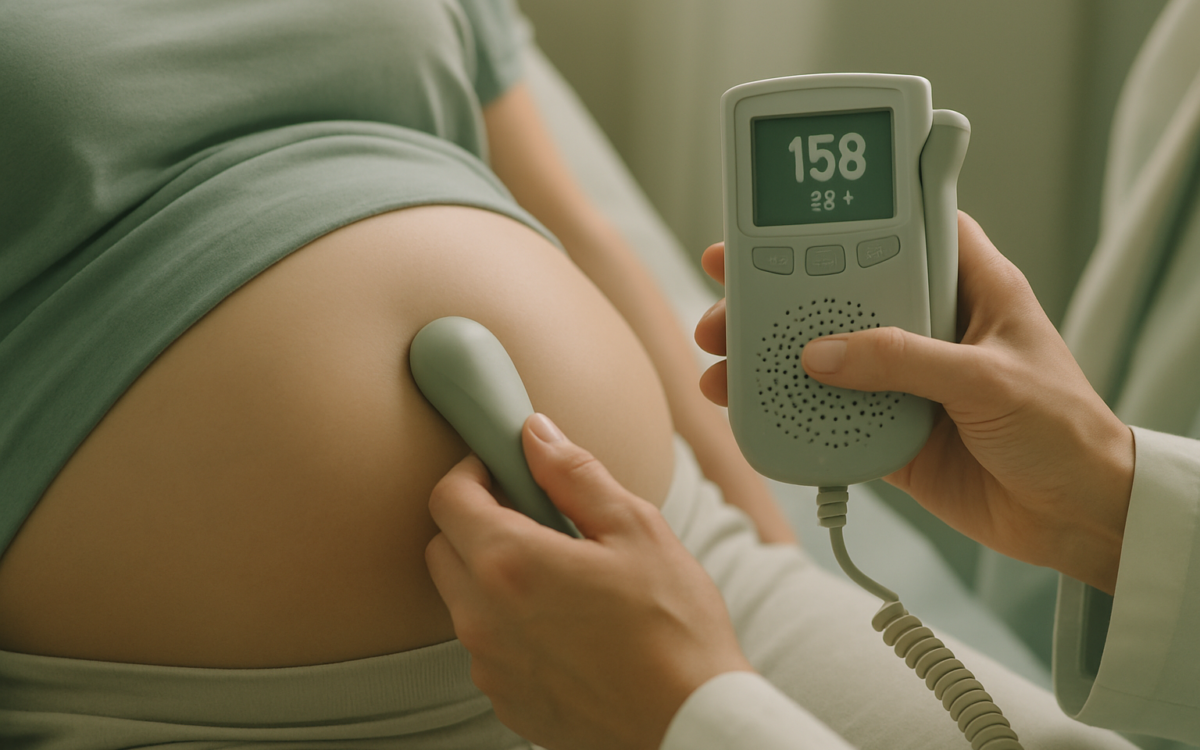
Expecting a baby is an exciting time, filled with wonder and curiosity. Among the many questions parents might have, one of the most common is about the baby’s gender. A common belief is that the fetal heart rate can help predict whether you’re having a boy or a girl. If you’re told that your baby’s heart rate measures 158 beats per minute (bpm), you may be wondering what it Means.
The Basics of Fetal Heart Rate
A fetal heart rate refers to the number of times the heart beats per minute during pregnancy. Normal heart rates for a fetus range between 110 to 160 bpm (Mayo Clinic). For most of the pregnancy, this rate can vary greatly, fluctuating based on activity levels, gestational age, and even time of day.
Fetal Heart Rate and Gender: Debunking Myths
The belief that fetal heart rate can determine a baby’s gender is widespread but largely rooted in folklore rather than science. Many people say that a heart rate over 140 bpm suggests a girl, while a heart rate below that indicates a boy. There is no substantial scientific evidence to support these claims.
Studies have shown that fetal heart rate can differ for individual babies regardless of gender. According to a study published in the National Institutes of Health, while there may be slight variations in heart rates between genders, they are generally not clinically significant and should not be used to predict gender.
What Does a Heart Rate of 158 BPM Mean?
If your baby’s heart rate is measured at 158 bpm, it falls within the normal range. This is a positive sign, as a stable fetal heart rate is an indicator of the baby’s well-being and robust development.
During early pregnancy, the fetal heart rate is usually faster. As the pregnancy progresses into the second and third trimesters, you might notice a slight decrease in heart rate. A rate of 158 bpm might indicate that your baby is active and healthy. Regular check-ups can monitor this rate and ensure the baby is thriving.
International Perspective on Fetal Heart Monitoring
Expectant parents around the world may have different approaches to prenatal care, including how fetal heart rates are monitored. In some regions, healthcare systems have integrated advanced technology for monitoring heart activity, which can be particularly beneficial for international patient services. These services offer consultations and evaluations to expectant parents that may not be available in their home country.
What Affects Fetal Heart Rate?
Several factors can affect a fetal heart rate, such as:
- Maternal Health: Conditions like diabetes or obesity can influence fetal heart rate.
- Pregnancy Duration: Normal ranges will vary as the pregnancy progresses.
- Activity Level: Fetal movement can cause slight increases in heart rate.
- Stress or Stimuli: External stressors or stimuli can lead to temporary changes in the heart rate.
Consulting your healthcare provider can provide essential insights about these influences and help ease any concerns you may have.
When to See a Doctor
While changes in fetal heart rates can be normal, certain signs should prompt a visit to your healthcare provider:
- Sudden significant changes in fetal heart rate
- Lack of fetal movement over a prolonged period
- Experiencing unusual symptoms such as severe cramping or bleeding
Always feel comfortable discussing any concerns about your prenatal health, including your baby’s heart rate, with your doctor. They can offer tailored advice based on your pregnancy history and current health status.
Conclusion
In conclusion, while the fetal heart rate may hold some fascination for expectant parents—particularly when contemplating whether the baby is a boy or girl—it is essential to understand the myths versus the realities. A fetal heart rate of 158 bpm is a normal and healthy sign, regardless of gender. Keep your mind open and seek regular check-ups to ensure your baby is developing as expected.
