
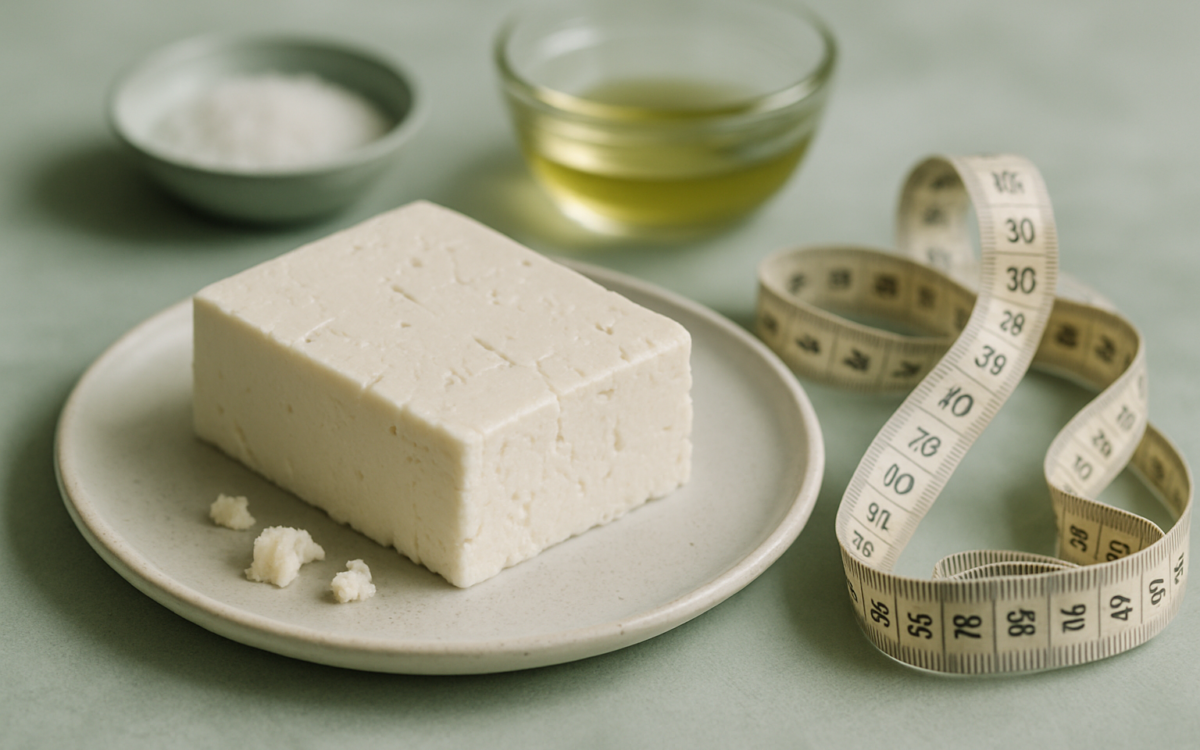
Feta cheese is a staple in Mediterranean cuisine, known for its tangy flavor and crumbly texture. Whether crumbled over a fresh salad or blended into a creamy dip, its versatility makes it a favorite among cheese lovers. But how does it fit into a healthy diet, especially when it comes to calories? Understanding the caloric content of feta cheese can help you enjoy it in moderation while reaping its health benefits.
What Are Feta Cheese Calories?
Feta cheese, typically made from sheep’s milk or a mixture of sheep and goat’s milk, packs a flavorful punch with relatively low calories compared to many other cheeses. On average, one ounce (approximately 28 grams) of feta cheese contains around 75 to 80 calories. This makes it a great option for those looking to add flavor to their meals without consuming excessive calories.
Nutritional Breakdown of Feta Cheese
In addition to its calorie content, feta cheese is rich in several nutrients. Here’s a closer look at the nutritional profile of one ounce of feta cheese:
- Calories: 75-80
- Protein: 4 grams
- Fat: 6 grams
- Carbohydrates: 1 gram
- Sodium: 300-400 mg
- Calcium: 15% of the Daily Value (DV)
- Vitamin B12: 6% of the DV
- Riboflavin: 6% of the DV
This nutritional content makes feta cheese a good source of calcium and protein while allowing you to keep your calorie intake in check. However, its relatively high sodium content is something to consider, especially for those on a low-sodium diet.
Health Benefits of Feta Cheese
Beyond its calorie count, feta cheese offers several health benefits:
- Bone Health: The calcium and phosphorus in feta cheese support strong bones and teeth.
- Probiotics: If made from raw milk, feta can contain probiotics, beneficial bacteria that support gut health.
- Rich in Antioxidants: Feta contains various antioxidants that help combat oxidative stress.
- Weight Management: Due to its lower calorie content and rich flavor, feta can enhance the taste of dishes while promoting portion control.
Incorporating feta cheese into a balanced diet can provide these benefits without significantly increasing calorie intake. It fits well in Mediterranean diets, which emphasize fresh fruits, vegetables, whole grains, and healthy fats.
How to Incorporate Feta Cheese into Your Meals
Feta cheese can enhance a variety of dishes. Here are some creative ways to enjoy feta:
- Salads: Crumble feta over mixed greens, cherry tomatoes, cucumbers, and olives for a Mediterranean-inspired salad.
- Wraps and Sandwiches: Add feta to wraps with grilled chicken and veggies or layer it in your favorite sandwich for a flavor boost.
- Pasta Dishes: Toss feta into pasta dishes with spinach, garlic, and olive oil for a rich and creamy texture.
- Dips: Blend feta with yogurt, herbs, and spices for a delicious dip perfect for veggies or pita chips.
Given its strong flavor, a little feta goes a long way, making it easy to enjoy without packing on too many calories.
Caloric Considerations in Feta Cheese
While feta cheese is lower in calories than many other cheeses, portion control is still important. Eating feta in moderation is key to maintaining a balanced diet. Overindulging can contribute to excess calorie intake, especially if paired with high-calorie ingredients like creamy dressings or rich oils.
When choosing feta cheese, consider the following:
- Portion Size: Stick to one ounce (about a quarter of a cup) to keep caloric intake manageable.
- Type of Feta: Different varieties may have varying sodium and calorie counts, so read labels when possible.
- Combining Foods: Pair feta cheese with low-calorie vegetables or whole grains to balance your meal.
By being mindful of how much feta cheese you include in your meals, you can enjoy its delicious flavor without excessive calorie intake.
When to See a Doctor
If you’re considering adding more feta cheese to your diet but have concerns about sodium intake or lactose intolerance, it’s a good idea to consult with a healthcare professional. Conditions such as hypertension, kidney disease, or allergies may require you to limit your cheese consumption. A doctor or registered dietitian can provide personalized guidance based on your dietary needs and health goals.
In conclusion, feta cheese is a flavorful addition to many dishes that can fit into a healthy diet without blowing your calorie budget. By understanding its nutritional value and incorporating it mindfully into your meals, you can enjoy this beloved cheese while maintaining a balanced lifestyle.
