
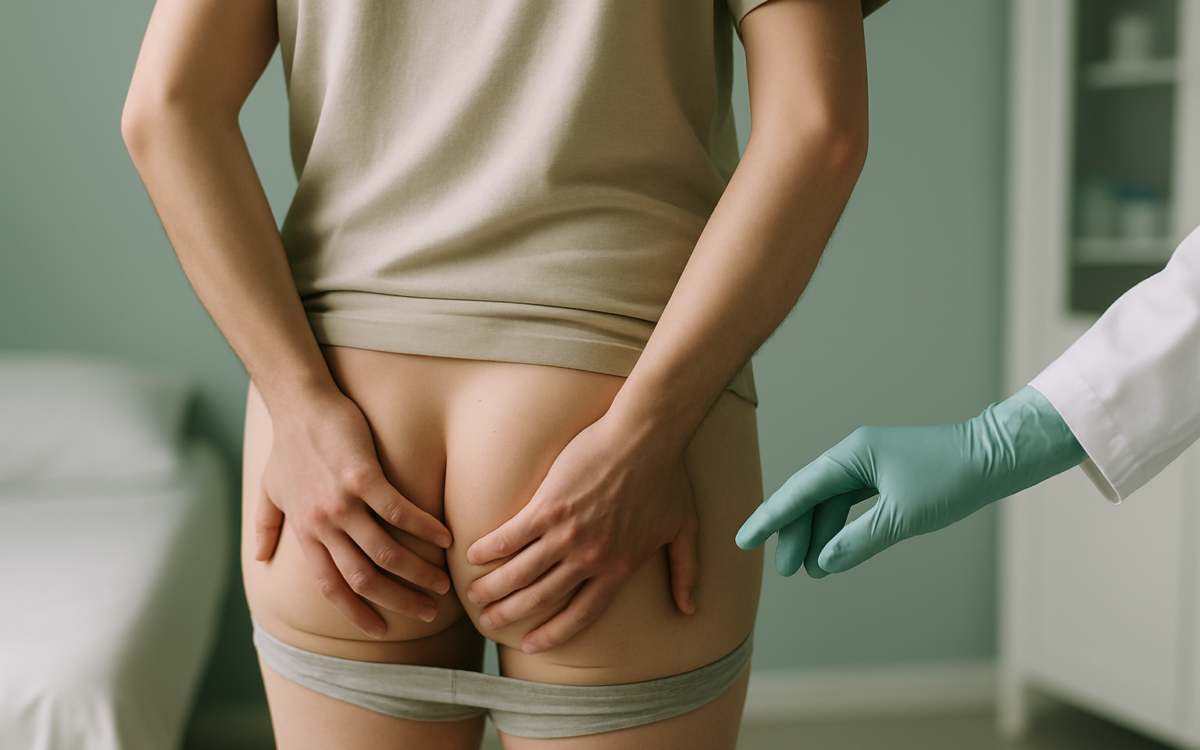
Yeast infections are often associated with the vaginal area, but did you know they can also occur in the anal region? An anal yeast infection, primarily caused by an overgrowth of the fungus Candida, can lead to discomfort and various symptoms. In this article, we’ll explore the causes, symptoms, treatment options, and preventive measures associated with anal yeast infections. Gaining a better understanding of this condition can help improve your quality of life.
What Causes Anal Yeast Infections?
Anal yeast infections usually arise when there is an imbalance in the body’s natural flora. Certain factors can promote the overgrowth of Candida, leading to an infection. Some common causes include:
- Antibiotic use: Antibiotics can disrupt the natural balance of bacteria, allowing yeast to flourish.
- Moisture: The warm and humid environment around the anal area is a breeding ground for yeast.
- Weakened immune system: Conditions that compromise the immune system, such as diabetes or HIV/AIDS, can increase susceptibility.
- Hygiene practices: Poor hygiene or using irritating soaps can lead to infections.
Recognizing the Symptoms
Identifying an anal yeast infection early can help in seeking appropriate treatment. Common symptoms include:
- Itching and irritation: Often the most noticeable symptom, itching can range from mild to severe.
- Redness and swelling: The skin around the anus may appear inflamed or irritated.
- Discharge: A thick, white discharge resembling cottage cheese may occur.
- Pain during bowel movements: Discomfort or pain can occur, making everyday activities difficult.
Treatment Options
There are various approaches to treating an anal yeast infection. Here are some common options:
Over-the-Counter Remedies
Many antifungal creams and ointments are available without a prescription. These typically contain active ingredients like clotrimazole or miconazole and are designed to alleviate symptoms.
Prescription Medications
If over-the-counter treatments are ineffective, a doctor may prescribe stronger antifungal medications or oral treatments such as fluconazole. Always consult a healthcare provider before starting any new medication.
Home Care Practices
In addition to medications, implementing certain home care strategies can promote healing:
- Keep the area dry: After bathing or sweating, thoroughly dry the area to help reduce moisture.
- Wear breathable fabrics: Opt for loose-fitting underwear made from cotton to allow airflow.
- Avoid irritants: Steer clear of scented soaps or wipes that can further irritate the area.
Preventing Anal Yeast Infections
Prevention is often more manageable than treatment. Here are steps you can take to reduce the risk of developing an anal yeast infection:
- Maintain good hygiene: Clean the anal area daily with mild soap and water.
- Limit antibiotic use: Only take antibiotics when prescribed by a doctor, and discuss alternatives if needed.
- Control diabetes: If you have diabetes, manage your blood sugar levels to lower the risk of infections.
- Stay hydrated: Drink plenty of water to help the body flush out excess sugar and toxins.
When to See a Doctor
If you suspect you have an anal yeast infection and experience persistent symptoms, it’s important to consult a healthcare professional. Additionally, seek medical attention if:
- Your symptoms worsen or do not improve with treatment.
- You experience severe pain or bleeding.
- You have recurrent infections that disrupt your daily life.
Conclusion
Understanding anal yeast infections is key to managing and preventing this discomforting condition. If you recognize the symptoms or risk factors associated with anal yeast infections, remember that consulting a healthcare provider is essential for proper diagnosis and treatment. With informed choices about hygiene, diet, and health, you can significantly reduce your risk and enjoy a healthier life.
