
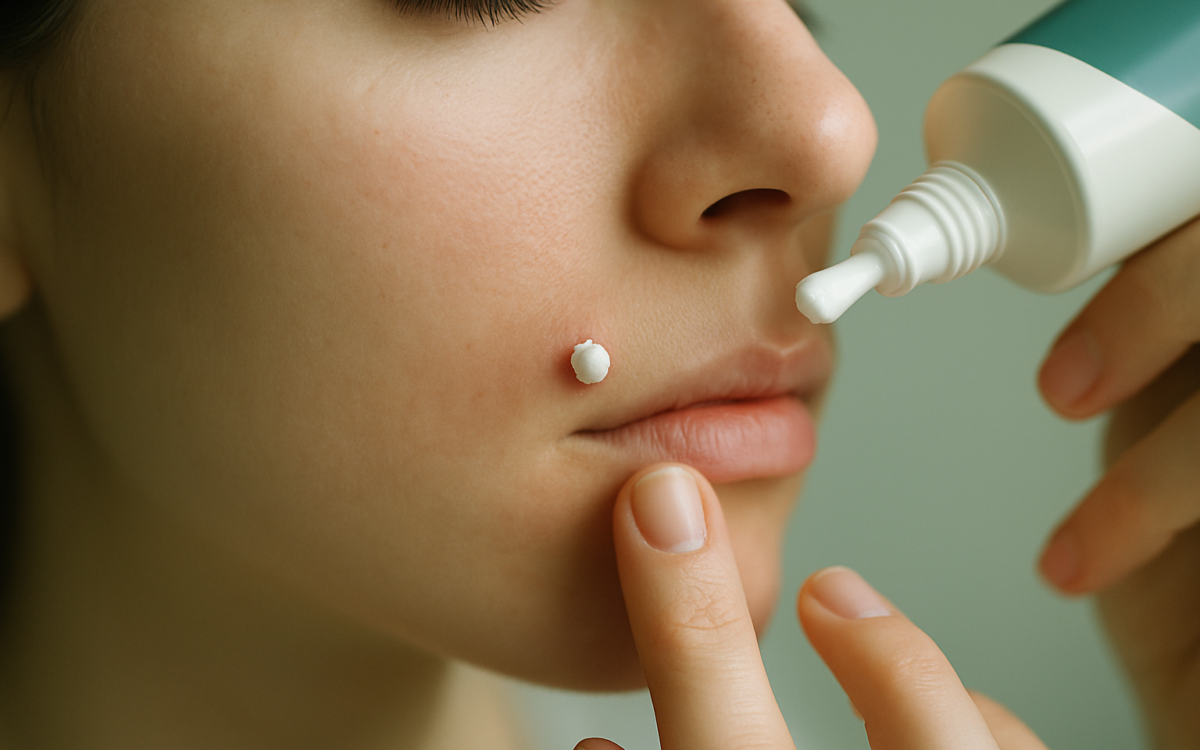
In a world where quick fixes for everything seem to be at our fingertips, many people have turned to toothpaste as a potential remedy for pesky pimples. It’s a common story: you wake up with an unwelcome breakout before an important event, and a friend suggests dabbing on some toothpaste. But is there any truth to this advice, or is it just a myth? In this article, we will dive into the pros and cons of using toothpaste on pimples and explore safer, more effective alternatives for treating acne.
The allure of using toothpaste on pimples
The idea of using toothpaste as a spot treatment for pimples likely stems from some of its ingredients, such as baking soda, hydrogen peroxide, and menthol. These components are believed to dry out the skin and reduce inflammation, which can be appealing when faced with a sudden breakout. However, the science behind this home remedy is more complex.
Why toothpaste might not be the best choice
While it’s tempting to reach for that tube in your bathroom cabinet, many dermatologists advise against it. Here are a few reasons why using toothpaste on pimples may not be a good idea:
- Irritation: Toothpaste is formulated for your teeth, not your skin. Ingredients can irritate sensitive facial skin, leading to redness and peeling.
- Blockage of pores: Some toothpaste can contain ingredients like thickening agents and artificial flavors that might clog your pores, potentially worsening acne.
- Limited effectiveness: There is no substantial scientific evidence supporting the effectiveness of toothpaste in treating acne. In fact, it may not address the root causes of acne, such as excess oil production or bacteria.
Understanding acne and its causes
To make informed choices about acne treatment, it’s essential to understand what causes it. Acne develops when hair follicles become clogged with oil, dead skin cells, and bacteria. Factors such as hormonal changes, diet, stress, and skin type can all play a role in acne formation. Understanding these elements can help in finding effective treatments.
Safer alternatives to toothpaste for treating pimples
Instead of reaching for the toothpaste, consider these safer alternatives that are backed by research:
1. Over-the-counter treatments
Look for topical acne treatments containing active ingredients such as:
- Benzoyl peroxide: This ingredient helps kill acne-causing bacteria and reduce inflammation.
- Salicylic acid: This beta hydroxy acid helps exfoliate the skin and unclog pores.
- Retinoids: These vitamin A derivatives promote skin cell turnover and can reduce the appearance of acne.
2. Natural remedies
If you prefer a more natural approach, consider these options:
- Tea tree oil: Known for its antibacterial properties, tea tree oil can be applied to pimples to reduce inflammation and redness.
- Green tea extract: Applying products with green tea extract can help reduce acne due to its anti-inflammatory properties.
- Honey: Raw honey has antibacterial effects and can soothe irritated skin. It can be applied as a mask for 10-15 minutes.
When to see a doctor
If you find that over-the-counter treatments and home remedies are not providing relief from your acne, or if your breakouts are severe and persistent, it may be time to consult a dermatologist. They can evaluate your skin condition and recommend a personalized treatment plan that may include prescription medications or therapies.
Conclusion
While the quick fix of using toothpaste on pimples might seem appealing, it’s not an effective or safe treatment option. Relying on proven methods and consulting with healthcare professionals can lead to better skin health and improved self-esteem. Remember, everyone’s skin is unique, so finding the right solution for you may take time and exploration.
For more information on acne treatments, consider visiting reputable sources such as Mayo Clinic or NIH/NLM.
