
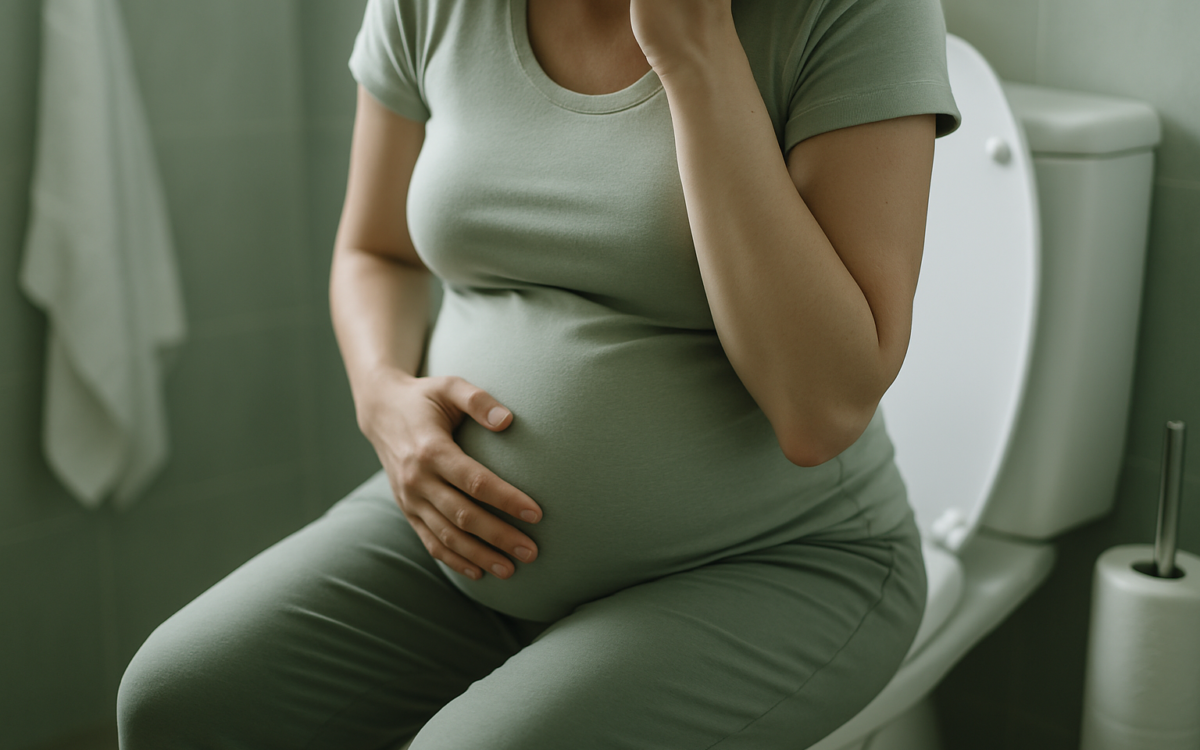
Constipation during pregnancy is a common discomfort that many expectant mothers face. With many physical and hormonal changes occurring, it’s no wonder that digestion may not function as smoothly as it usually does. Understanding why pregnancy constipation happens and knowing how to address it can provide significant relief during this special time.
What Causes Constipation During Pregnancy?
Constipation in pregnancy can stem from several factors:
- Hormonal Changes: Elevated progesterone levels can relax the intestines, slowing down the digestive process.
- Dietary Changes: Many women alter their diets during pregnancy, often consuming less fiber and more iron supplements, which can exacerbate constipation.
- Pressure on the Colon: As the uterus expands, it can exert pressure on the intestines, hindering normal bowel movements.
- Lack of Physical Activity: Fatigue and discomfort during pregnancy may lead to decreased physical activity, contributing to constipation.
Signs and Symptoms
Common signs that you may be experiencing pregnancy constipation include:
- Less frequent bowel movements (fewer than three times per week).
- Hard or lumpy stools.
- Pain or straining during bowel movements.
- A feeling of incomplete evacuation after a bowel movement.
Tips to Prevent and Relieve Constipation
Fortunately, there are several practical steps you can take to alleviate or prevent constipation during pregnancy:
1. Stay Hydrated
Drinking plenty of water can help keep your digestive system functioning smoothly. Aim for at least eight glasses a day, or more if you’re feeling particularly dehydrated.
2. Eat a High-Fiber Diet
Incorporating fiber-rich foods into your diet can improve digestive health. Good sources of fiber include:
- Whole grains (like oatmeal and whole-grain bread).
- Fruits (such as apples, pears, and berries).
- Vegetables (like leafy greens, carrots, and broccoli).
- Legumes (beans and lentils).
3. Regular Physical Activity
Engaging in regular, moderate exercise can stimulate digestion. Low-impact activities such as walking, swimming, or prenatal yoga can be beneficial. Always consult with your healthcare provider before starting any new exercise routine.
4. Consider Probiotics
Some studies suggest that probiotics may help improve digestion and prevent constipation. Foods like yogurt and kefir contain probiotics, or you may consider discussing supplements with your doctor.
5. International Perspectives on Treatment
If you’re exploring different options and you live outside your home country, you might be interested in international patient services. Many healthcare systems around the world offer specialized guidance and care for pregnant women, which can include dietary and lifestyle advice tailored to individual needs.
Over-the-Counter Solutions
In some cases, your healthcare provider may recommend over-the-counter gently laxatives that are safe to use during pregnancy. However, these should be used cautiously and only after discussing them with your doctor, as not all remedies are suitable for expectant mothers.
When to See a Doctor
If constipation persists, causes significant discomfort, leads to blood in the stool, or is accompanied by other unusual symptoms like severe abdominal pain or vomiting, it’s important to consult with your healthcare provider. They can assess your situation and recommend the most appropriate interventions.
Conclusion
Pregnancy constipation is a challenge many expectant mothers face. However, by understanding its causes and taking steps to relieve it, you can enhance your comfort during this exciting journey. Always remember to consult your healthcare provider if you have concerns.
