
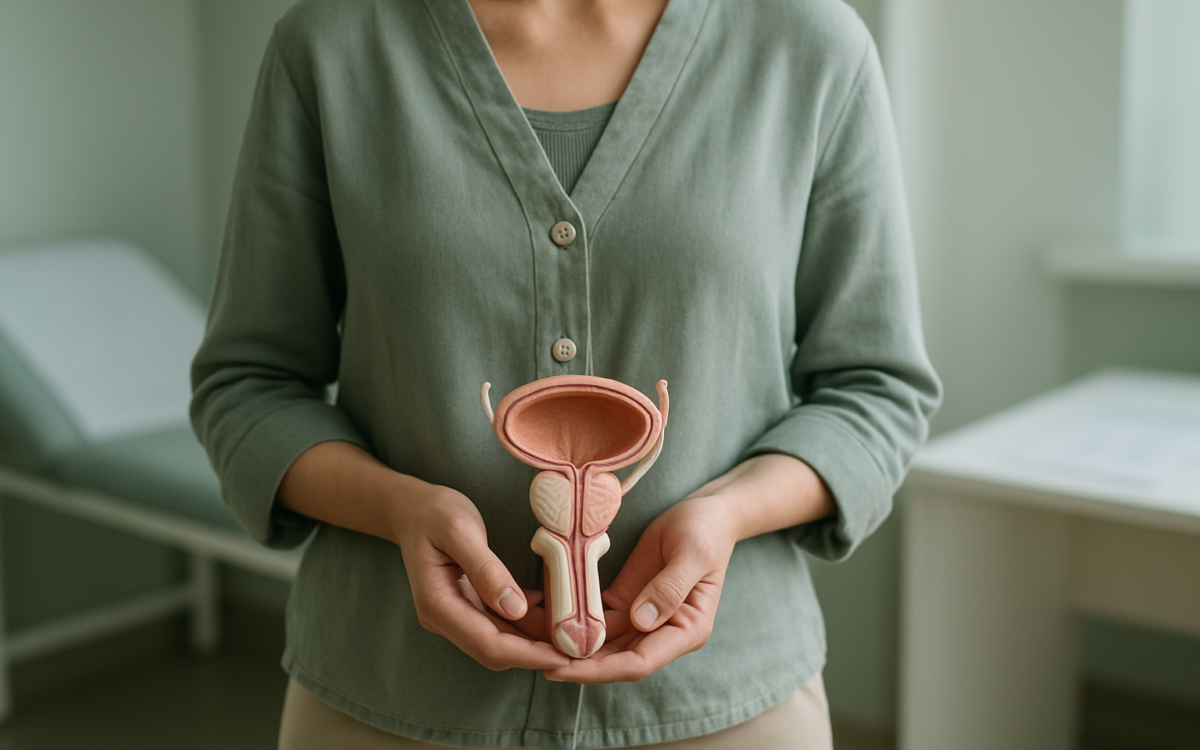
Prostate cancer is often thought of as a man’s disease, but what happens if we look a little closer? While women do not have a prostate gland in the same way men do, this raises interesting questions about cancer, anatomy, and health awareness. Understanding the distinctions between male and female reproductive health is essential as we explore this topic further.
What Is Prostate Cancer?
Prostate cancer begins when cells in the prostate—an organ that is part of the male reproductive system—begin to grow uncontrollably. The prostate gland is located just below the bladder and in front of the rectum. It produces seminal fluid, which nourishes and transports sperm. While this malignant growth primarily impacts men, it leads us to consider the broader implications for women and their health.
Why Women Don’t Get Prostate Cancer
To clarify, women do not get prostate cancer because they do not have a prostate. The prostate is an organ unique to biological males. However, this doesn’t mean that discussions about prostate cancer shouldn’t include women—especially those with male family members or partners who may be affected by the disease.
Women and Health Awareness
Understanding prostate cancer is important for everyone, including women. Since women can support partners and family members affected by this condition, awareness is vital. Women play a crucial role in encouraging their loved ones to seek preventive care or screening for prostate cancer.
Gray Areas: Is There Any Relevance for Women?
Even though women cannot develop prostate cancer, they may still experience health issues related to similar symptoms or treatment effects. For example, therapies designed for prostate cancer patients can have implications for sexual health, urinary function, and overall well-being. Furthermore, some women may have family histories that include male relatives with prostate cancer, which could carry genetic implications (source: NIH).
Current Research and Women’s Health
Recent studies have shown that understanding male cancers can provide insights into female health, especially concerning genetic connections and shared lifestyle factors. Learning more about cancer in general, including prostate health, can empower women to take control of their health and advocate for their loved ones (source: WHO). Research continues to explore these interconnections, making it important for women to stay informed.
Awareness Campaigns and Educational Resources
Various organizations promote awareness campaigns that help both men and women understand prostate cancer better. Educating yourself through reputable sources, such as the CDC or the Mayo Clinic, can provide valuable information for both genders. Such knowledge can diminish stigma and create open conversations around issues that affect many families.
When to See a Doctor
If you have family members or close friends who have experienced prostate cancer, or if you have concerns related to men’s health, consider speaking with your doctor. Open discussions can help clarify any anxieties or questions, even if they don’t pertain specifically to your health.
In conclusion, while women cannot get prostate cancer, the topic is still relevant. Awareness, education, and ongoing conversations are essential to support those affected and to foster a healthy understanding of this disease across all genders. Prostate cancer has implications that resonate far beyond the male anatomy, and everyone can benefit from increased knowledge and support.
