
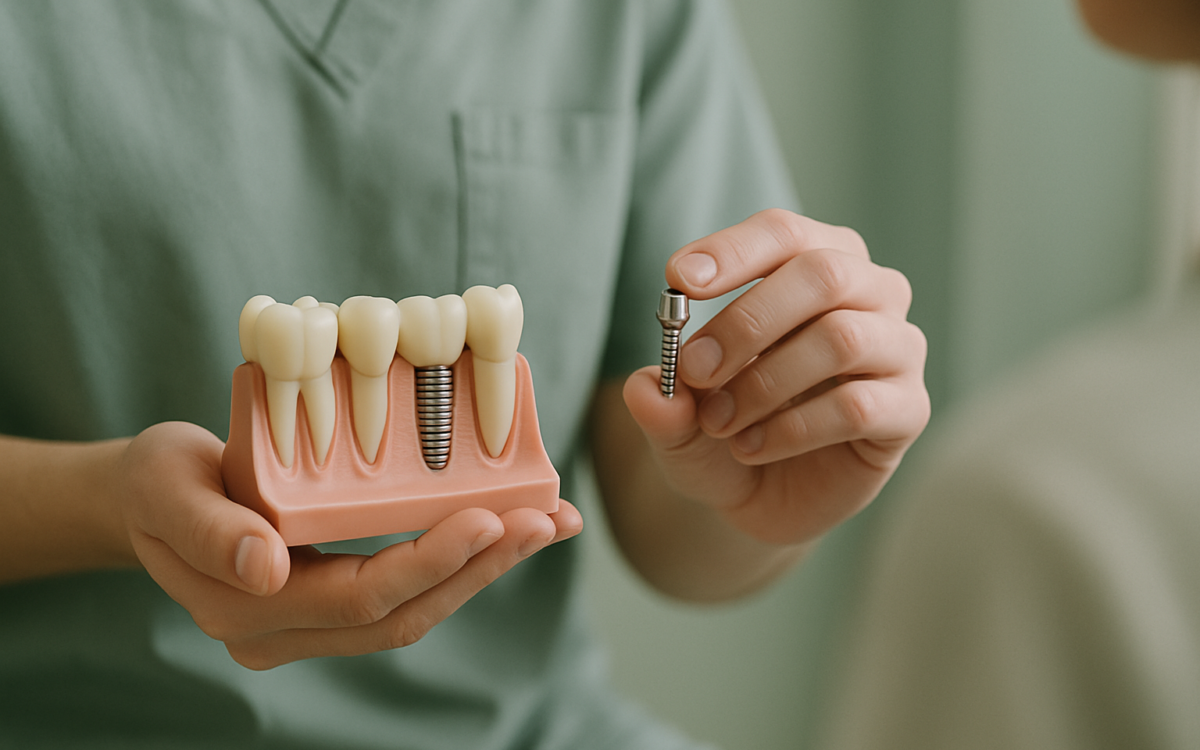
When it comes to restoring a smile, endosteal implants have emerged as a reliable and effective solution. These dental implants are surgically placed into the jawbone and serve as anchors for replacement teeth. Understanding endosteal implants can empower individuals seeking solutions for missing teeth to make informed decisions.
What Are Endosteal Implants?
Endosteal implants are a type of dental implant that is inserted directly into the jawbone. The procedure involves placing a small titanium post into the bone, which acts as a root for a replacement tooth. Once the post integrates with the bone, a crown or bridge can be placed on top to complete the restoration. This method provides a stable and secure base for artificial teeth, making it a popular choice among dental professionals.
Who Can Benefit from Endosteal Implants?
Endosteal implants are suitable for individuals who have lost one or multiple teeth due to injury, gum disease, or other dental issues. However, several factors determine whether a person is a good candidate for this type of implant:
- Bone Density: Adequate jawbone density is crucial for supporting an endosteal implant. Those with significant bone loss may require grafting procedures before implantation.
- Overall Health: Your general health can impact healing after surgery. Conditions such as diabetes or autoimmune diseases may affect candidacy.
- Oral Hygiene: Good oral hygiene habits are essential for success. Candidates must commit to maintaining their dental health after receiving the implant.
The Procedure: Step by Step
The endosteal implant procedure generally takes place in several stages:
Initial Consultation
During your first visit, your dentist will evaluate your oral health and take imaging scans to assess bone density and positioning. This stage helps determine the best treatment plan.
Surgical Placement
Under local anesthesia, the dentist will make an incision in the gum and drill a small hole in the jawbone to place the titanium post. This procedure may take an hour or so, depending on the complexity.
Healing Period
After the implant is placed, a healing period of several months is necessary for the post to fuse with the bone, a process known as osseointegration. During this time, temporary restorations may be provided.
Placement of Abutment and Crown
Once healing is complete, an abutment (a connector) is attached to the implant. Finally, a custom crown is placed on top, restoring the appearance and function of the missing tooth.
Advantages of Endosteal Implants
Endosteal implants present several advantages for those seeking to restore their smiles:
- Natural Look and Feel: Endosteal implants are designed to mimic the appearance and function of natural teeth, providing a boost in confidence and self-esteem.
- Longevity: With proper care, endosteal implants can last many years, often a lifetime, making them a cost-effective long-term solution.
- Improved Oral Health: Unlike traditional bridges, implants do not rely on neighboring teeth for support, which helps preserve the integrity of the surrounding teeth.
Caring for Your Endosteal Implants
Caring for endosteal implants is crucial for longevity and success. Here are some essential tips:
- Maintain Excellent Oral Hygiene: Brush and floss your teeth regularly to prevent plaque buildup and gum disease.
- Regular Dental Check-ups: Schedule routine visits with your dentist for professional cleanings and examinations to monitor the implant’s condition.
- Avoid Tobacco and Excessive Alcohol: Smoking and heavy drinking can impair healing and impact the success of dental implants.
Potential Risks and Complications
As with any surgical procedure, endosteal implants come with some risks, although they are generally considered safe:
- Infection: There is a risk of infection at the surgical site if proper care isn’t taken.
- Nerve Damage: In rare cases, implants may damage surrounding nerves, leading to pain or numbness.
- Sinus Issues: Upper jaw implants that extend into the sinus cavity may cause sinus complications.
Discuss any concerns about complications with your dentist, who can provide guidance based on your specific situation.
When to See a Doctor
If you experience persistent pain, swelling, or signs of infection following an implant procedure, it’s important to consult your dentist promptly. Early intervention can address issues before they develop into more serious problems.
Conclusion
Endosteal implants offer a sturdy and aesthetic solution for tooth replacement. By understanding the process, benefits, and care involved, individuals can better navigate their journey towards reclaiming their smiles. If you are considering endosteal implants, consult with your dentist to explore whether this option is right for you.
