
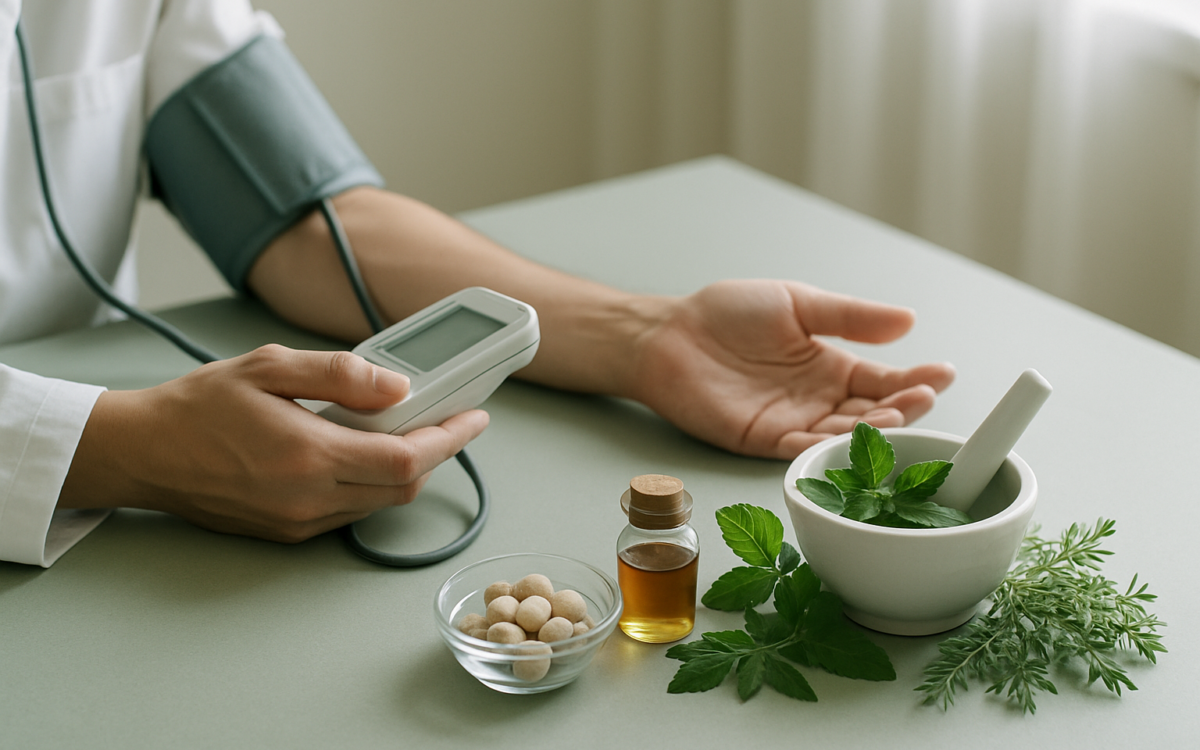
Hypertension, commonly known as high blood pressure, affects millions of people worldwide. For many, traditional treatments like medications are effective but can come with side effects. As a result, some individuals seek alternative medicine options to manage their blood pressure. This article explores several alternatives that may help integrate into your hypertension management plan.
Understanding Hypertension
Hypertension occurs when the blood pressure in your arteries is consistently too high. It can lead to serious health issues, including heart disease, stroke, and kidney problems. The causes of hypertension can vary and may include factors like genetics, diet, inactivity, obesity, and stress. Understanding these can help individuals take proactive steps in managing their health.
Lifestyle Changes for Better Blood Pressure
One of the most important aspects of alternative medicine is lifestyle modification. Here are some changes you can consider:
- Dietary Adjustments: Eating a balanced diet rich in fruits, vegetables, whole grains, and lean proteins can have a significant impact. The DASH (Dietary Approaches to Stop Hypertension) diet, which emphasizes these food groups, has been shown to lower blood pressure.
- Regular Physical Activity: Engaging in regular exercise, such as walking, cycling, or swimming, helps strengthen your heart and improve circulation, contributing positively to blood pressure management.
- Weight Management: Achieving and maintaining a healthy weight is crucial. Losing even a small amount of weight can help lower blood pressure significantly.
- Limiting Alcohol and Caffeine: Reducing alcohol intake and moderating caffeine consumption may also assist in managing hypertension.
Herbal Remedies for Hypertension
Many herbs have been studied for their potential effects on blood pressure. However, it’s essential to consult with a healthcare provider before starting any herbal treatment. Here are a few herbal remedies that may help:
- Garlic: Garlic has been associated with lower blood pressure levels in some studies. It may work by helping blood vessels relax and improve blood flow.
- Hibiscus: Drinking hibiscus tea has shown promising results in several studies for lowering blood pressure. It contains antioxidants and may have diuretic properties.
- Olive Leaf Extract: Research suggests that the extracts from olive leaves may have a positive impact on blood pressure, likely due to their ability to improve blood vessel function.
Mind-Body Practices
Mind-body practices focus on the connection between mental and physical health, which can play a significant role in managing hypertension. Here are some effective techniques:
- Meditation: Regular meditation practice helps reduce stress, which can aid in lowering blood pressure. Various forms of meditation, such as mindfulness and transcendental meditation, are available.
- Yoga: Yoga combines physical movement with breathing exercises and meditation. Studies have found that practicing yoga can help lower blood pressure and improve overall heart health.
- Deep Breathing Exercises: Simple deep breathing exercises can promote relaxation and help manage stress, contributing to better blood pressure control.
Acupuncture and Massage Therapy
Alternative therapies like acupuncture and massage have gained attention for their potential in managing hypertension:
- Acupuncture: This traditional Chinese practice involves inserting thin needles into specific points of the body. Some evidence suggests acupuncture may help lower blood pressure and improve overall well-being.
- Massage Therapy: Regular massage can help reduce stress levels and create a sense of relaxation, which may lead to lower blood pressure over time.
Supplements and Nutritional Support
Many people turn to dietary supplements to help manage their blood pressure. It’s essential to consult a healthcare professional before taking any supplements. Some commonly explored supplements include:
- Omega-3 Fatty Acids: Found in fish oil, omega-3s may help lower blood pressure and improve heart health.
- Coenzyme Q10: Some studies suggest that CoQ10 may contribute to reduced blood pressure.
- Magnesium and Potassium: Both minerals are important in controlling blood pressure. Ensuring adequate intake of these nutrients through diet or supplements may be beneficial.
When to See a Doctor
If you have hypertension or are considering alternative treatments, it’s important to consult your healthcare provider. Regular monitoring and professional advice are crucial to ensuring any alternative methods you pursue are safe and effective. Always inform your doctor about any alternative treatments you are considering to discuss possible interactions with your current medications.
Conclusion
While alternative medicine can offer valuable ways to manage hypertension, it’s crucial to approach these options cautiously and with guidance from healthcare professionals. Integrating lifestyle changes, herbal remedies, mind-body practices, and nutritional support can complement traditional medical treatments. Remember, your health is a partnership between you and your healthcare team, and open communication is key to successful management.
