
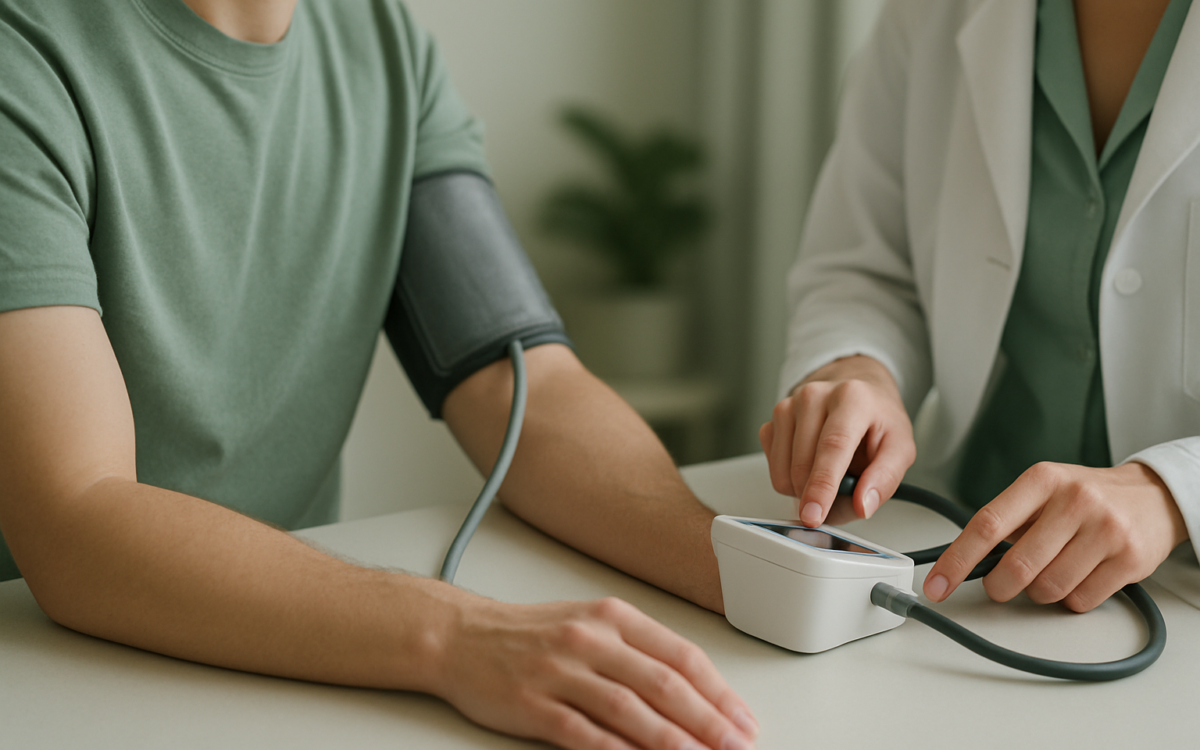
High blood pressure, or hypertension, is often referred to as the “silent killer.” Many people don’t realize they have it until they face serious health issues. Fortunately, there are many effective strategies to help lower blood pressure and improve overall heart health. In this article, we’ll explore practical and evidence-backed methods for managing your blood pressure.
Understanding Blood Pressure
Blood pressure measures the force of blood against the walls of your arteries. It’s expressed in two numbers: systolic (the pressure when your heart beats) over diastolic (the pressure when your heart rests between beats). A normal blood pressure reading is usually around 120/80 mm Hg. Readings above this level indicate various degrees of hypertension.
Adopting a Heart-Healthy Diet
Your diet plays a crucial role in managing blood pressure. Here are some dietary tips to consider:
- Reduce Sodium Intake: Aim for less than 2,300 mg of sodium per day. Even a reduction to 1,500 mg can be beneficial, especially for those with hypertension. Processed foods and restaurant meals often contain high levels of sodium, so cooking at home can help.
- Embrace the DASH Diet: The Dietary Approaches to Stop Hypertension (DASH) diet emphasizes fruits, vegetables, whole grains, and lean proteins while limiting red meat, sugar, and saturated fats. Studies show that this diet can lower blood pressure significantly (NIH).
- Increase Potassium: Foods rich in potassium, like bananas, spinach, and sweet potatoes, can help balance sodium levels and ease tension in blood vessel walls.
Regular Physical Activity
Engaging in regular exercise is another effective way to manage blood pressure. Aim for at least 150 minutes of moderate-intensity aerobic activity each week. Here are some activities that can help:
- Walking: A simple daily walk can be very effective. Aim for brisk walking for at least 30 minutes most days of the week.
- Cycling: Whether on a stationary bike or outdoors, cycling is a fun and effective way to lower blood pressure.
- Swimming: This low-impact activity works almost every muscle group and is gentle on the joints.
Regular physical activity strengthens your heart, allowing it to pump blood more efficiently. This can lead to lower overall blood pressure.
Managing Stress
Chronic stress can lead to temporary spikes in blood pressure, and it’s essential to find effective ways to manage it. Here are some proven methods:
- Meditation: Just a few minutes of mindfulness meditation daily can help reduce stress and improve your mental health.
- Deep Breathing Exercises: Practicing deep breathing can lower cortisol levels and direct attention away from daily stressors.
- Engaging in Hobbies: Spend time on activities you enjoy, whether it’s painting, gardening, or reading.
Identifying your stress triggers can also be beneficial. Once you know what causes stress, you can develop strategies to manage those situations more effectively.
Maintaining a Healthy Weight
If you’re overweight, losing even a small amount of weight can help lower your blood pressure. Here are some tips for maintaining a healthy weight:
- Set Realistic Goals: Aim for a slow and steady weight loss of 1-2 pounds per week to make it sustainable.
- Track Your Food Intake: Keeping a food diary can help you monitor what you eat and identify areas for improvement.
- Stay Hydrated: Sometimes thirst is mistaken for hunger, leading to unnecessary snacking.
A combination of healthy eating and physical activity is the best approach to managing weight. Even a small reduction in weight can lead to significant health benefits.
Consider Limiting Alcohol and Quitting Smoking
Both alcohol and tobacco can raise blood pressure, so managing these habits is a crucial part of a blood pressure control strategy:
- Limit Alcohol: If you drink alcohol, do so in moderation. The CDC suggests that moderation means two drinks or less per day for men and one drink or less per day for women.
- Quit Smoking: Quitting smoking can improve your heart health and lower your blood pressure. Even secondhand smoke can be harmful, so it’s best to avoid it entirely.
For support in quitting smoking, consider programs or resources through your community health center or local support groups.
When to See a Doctor
If your blood pressure remains elevated despite lifestyle changes, or if you experience symptoms like severe headaches, vision problems, or chest pain, it’s important to consult a healthcare professional. Regular check-ups are vital to monitor your heart health and make necessary adjustments to your lifestyle or medication.
Conclusion
Lowering blood pressure is a multifaceted approach involving diet, exercise, stress management, weight control, and avoidance of harmful substances. While these lifestyle changes can significantly improve your heart health, always consult with your doctor to tailor a plan that’s right for you. By adopting these strategies, you take an essential step toward a healthier life.
