
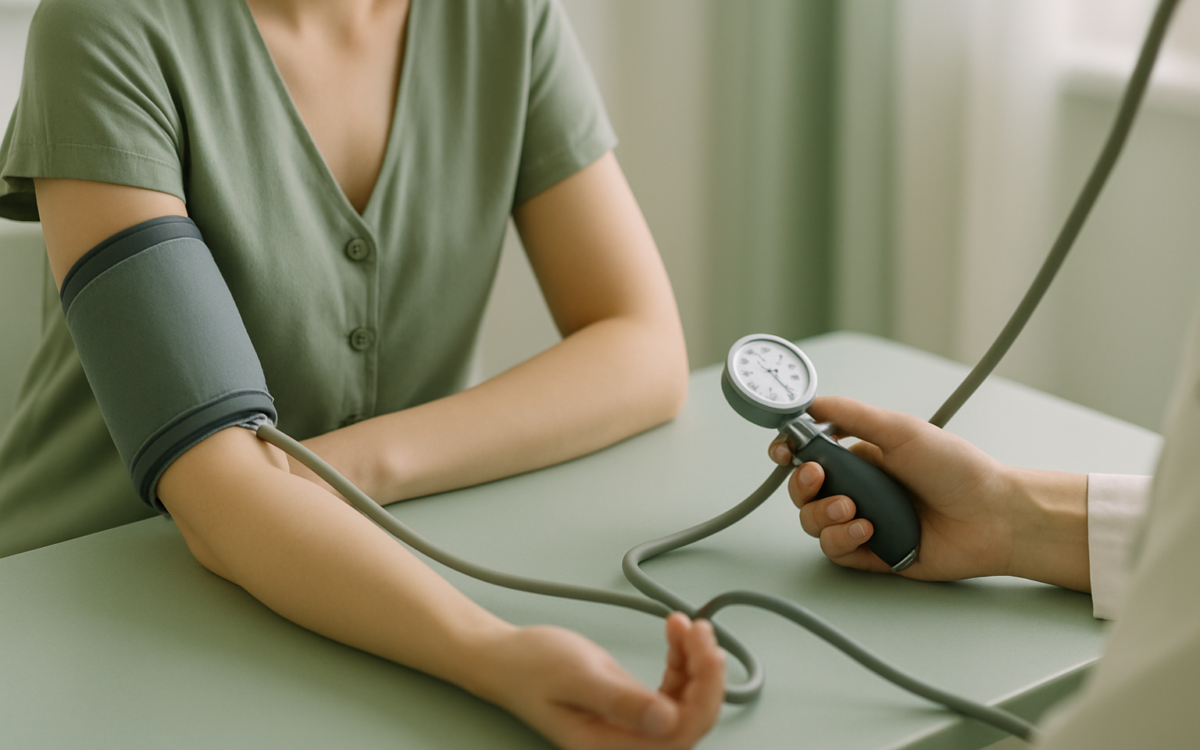
Blood pressure is a vital sign that reflects how hard your heart is working to pump blood throughout your body. For women, understanding what constitutes a good blood pressure range is essential for maintaining overall health. In this article, we will delve into what blood pressure readings mean, the ideal ranges for women, and factors that can influence these numbers.
Let’s break it down!
What is Blood Pressure?
Blood pressure is measured in millimeters of mercury (mm Hg) and consists of two numbers: systolic and diastolic. The systolic number, shown on top, represents the pressure in your arteries when your heart beats. The diastolic number, on the bottom, indicates the pressure in your arteries when your heart is resting between beats.
A typical reading looks like this: 120/80 mm Hg, where 120 is the systolic value and 80 is the diastolic value.
What is the Ideal Blood Pressure Range for Women?
The ideal blood pressure range for adults, including women, is generally considered to be less than 120/80 mm Hg. According to the American Heart Association, levels are categorized as follows:
- Normal: Less than 120/80 mm Hg
- Elevated: 120-129 systolic and less than 80 diastolic
- Hypertension Stage 1: 130-139 systolic or 80-89 diastolic
- Hypertension Stage 2: 140 or higher systolic or 90 or higher diastolic
- Hypertensive Crisis: Higher than 180 systolic and/or higher than 120 diastolic (requires immediate medical attention)
It’s important to note that these classifications apply to most adults, but certain conditions may affect what the ideal range is for you.
Factors Affecting Blood Pressure in Women
Blood pressure can fluctuate due to various factors. Here are some aspects that may impact a woman’s blood pressure:
1. Age
As women age, their blood vessels may become stiffer, leading to an increase in blood pressure.
2. Hormonal Changes
Hormonal shifts during menstrual cycles, pregnancy, and menopause can also influence blood pressure. For example, pregnancy may lead to temporary hypertension or even preeclampsia in some women.
3. Lifestyle Factors
- Diet: A diet high in salt can raise blood pressure, while fruits and vegetables can help keep it in check.
- Physical Activity: Regular exercise can help you maintain a healthy weight and lower your blood pressure.
- Stress: Emotional stress can lead to temporary spikes in blood pressure.
4. Family History
If high blood pressure runs in your family, you may be at greater risk, making regular monitoring even more crucial.
How to Monitor Your Blood Pressure
Keeping track of your blood pressure is essential for your health. Here are some easy steps you can take:
- Home Monitoring: Consider investing in a reliable blood pressure monitor to track your readings at home.
- Regular Check-ups: Visit your doctor regularly for blood pressure checks, especially if you have risk factors.
- Keep a Record: Maintain a log of your readings to discuss with your healthcare provider.
When to See a Doctor
It’s important to consult your doctor if:
- Your blood pressure consistently reads above 130/80 mm Hg.
- You experience symptoms like headaches, shortness of breath, or chest pain.
- You have risk factors for high blood pressure, such as obesity, a sedentary lifestyle, or a family history of the condition.
Your doctor can provide you with personalized advice and treatment options if needed. Remember, maintaining normal blood pressure is crucial for preventing heart disease, stroke, and other serious health problems.
Conclusion
Maintaining a good blood pressure range is essential for women’s health. Understanding what makes up a normal blood pressure reading and the factors that influence it can empower women to take charge of their health. Regular monitoring and consultations with your healthcare provider can make a significant difference in managing blood pressure effectively.
For more information about blood pressure and its impacts on health, you can refer to the CDC and the Mayo Clinic.
