
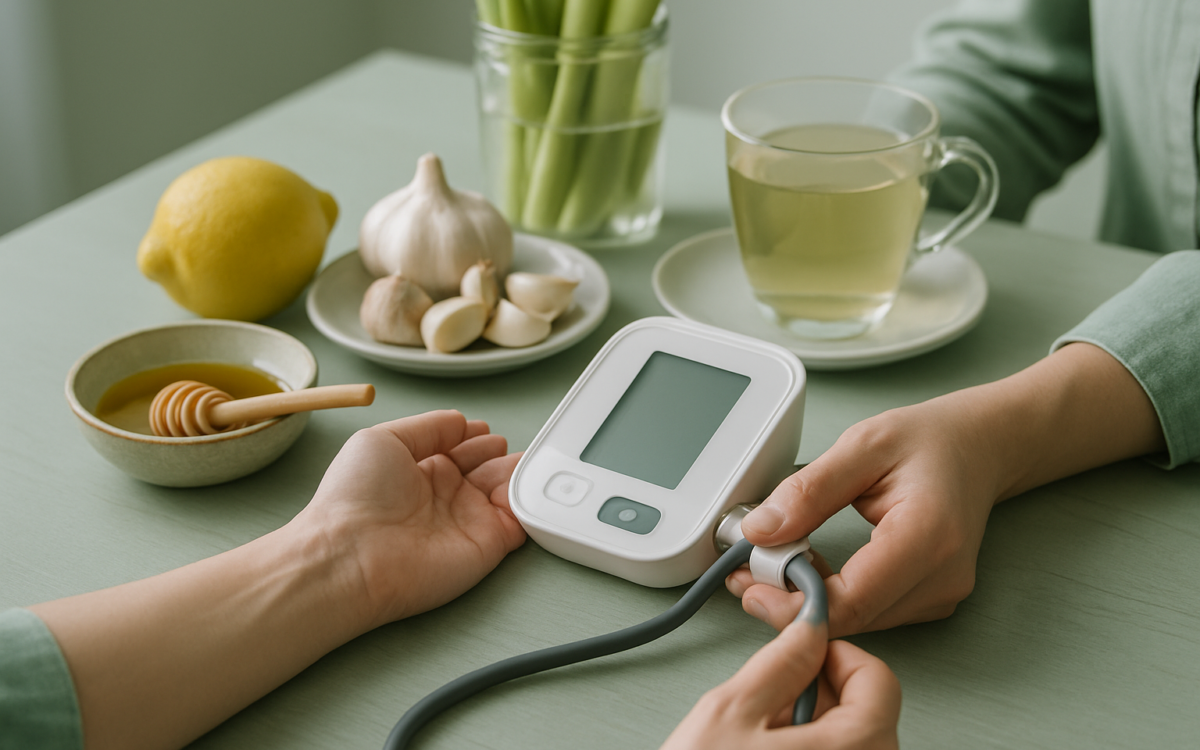
High blood pressure, also known as hypertension, affects millions of people worldwide. It often develops over many years and can lead to severe health issues, including heart disease and stroke. While medications are commonly prescribed to manage this condition, many individuals seek natural ways to complement their treatment. The good news is that some simple home remedies and lifestyle changes can help manage high blood pressure effectively.
Understanding High Blood Pressure
High blood pressure occurs when the force of blood against the walls of your arteries is consistently too high. This can happen due to various factors, including genetics, diet, inactivity, and stress. Monitoring your blood pressure regularly is crucial for early detection and management. According to the CDC, nearly half of adults in the U.S. have high blood pressure, yet many do not even realize it.
Dietary Changes to Lower Blood Pressure
Your diet plays a significant role in managing high blood pressure. Certain foods can help lower your blood pressure levels naturally by providing essential nutrients and promoting heart health.
- Increase potassium intake: Foods rich in potassium, such as bananas, sweet potatoes, and spinach, can help balance your sodium levels and reduce blood pressure.
- Reduce sodium intake: Aim to consume less than 2,300 milligrams of sodium per day. This can often mean cutting back on processed foods and using salt in moderation.
- Embrace whole foods: Incorporate more fruits, vegetables, whole grains, and lean proteins into your meals. These foods are not only healthy but can also help lower blood pressure.
- Limit alcohol consumption: Drinking alcohol in moderation or not at all can help maintain healthier blood pressure levels.
Physical Activity and Exercise
Regular physical activity is one of the most effective ways to lower blood pressure. Engaging in at least 150 minutes of moderate aerobic activity each week can make a difference.
- Aerobic exercises: Activities like brisk walking, cycling, swimming, or dancing promote heart health and can lower blood pressure.
- Strength training: Incorporating weight lifting or resistance exercises at least two days a week also benefits your cardiovascular health.
- Consistency is key: Establishing a routine is essential. Find activities you enjoy and make them a regular part of your week.
Stress Management Techniques
Chronic stress is a significant factor in high blood pressure. Developing techniques to manage stress can help lower your blood pressure and improve overall well-being.
- Meditation and deep breathing: Practicing mindfulness meditation or deep breathing exercises can help calm your mind and lower stress levels.
- Yoga: This holistic practice combines physical movement, breathing, and meditation, making it effective for reducing stress and improving heart health.
- Engage in hobbies: Spend time doing activities that bring you joy, whether it’s painting, gardening, or reading. This can also offer a welcome distraction from daily stressors.
Herbal Remedies and Supplements
Some herbs and supplements may support blood pressure management, but it’s essential to consult your doctor before trying new remedies.
- Garlic: Studies suggest that garlic supplements may help reduce blood pressure by relaxing blood vessels.
- Omega-3 fatty acids: Found in fish oil supplements, omega-3s can improve heart health and may lower blood pressure.
- Hibiscus tea: Drinking this tart beverage has been linked to reductions in blood pressure, likely due to its high antioxidant content.
Proper Sleep Hygiene
Lack of sleep can negatively impact your overall health, including blood pressure. Establishing better sleep habits can be beneficial.
- Stick to a schedule: Go to bed and wake up at the same time every day, even on weekends.
- Create a restful environment: Keep your bedroom dark, quiet, and cool, and invest in a comfortable mattress.
- Limit screen time: Reduce exposure to screens at least an hour before bed to improve sleep quality.
When to See a Doctor
If you suspect you have high blood pressure or have been diagnosed with it, monitoring your blood pressure at home can help keep you informed. However, if you experience symptoms like severe headaches, shortness of breath, or chest pain, you should seek medical attention immediately. Additionally, always discuss any new home remedies or lifestyle changes with your doctor, especially if you’re currently taking medications for hypertension.
Managing high blood pressure often requires a comprehensive approach involving lifestyle modifications and regular medical check-ups. While home remedies can be beneficial, they should complement, not replace, professional medical advice. With some simple changes and mindful practices, you can take steps to support your blood pressure health and overall well-being.
