
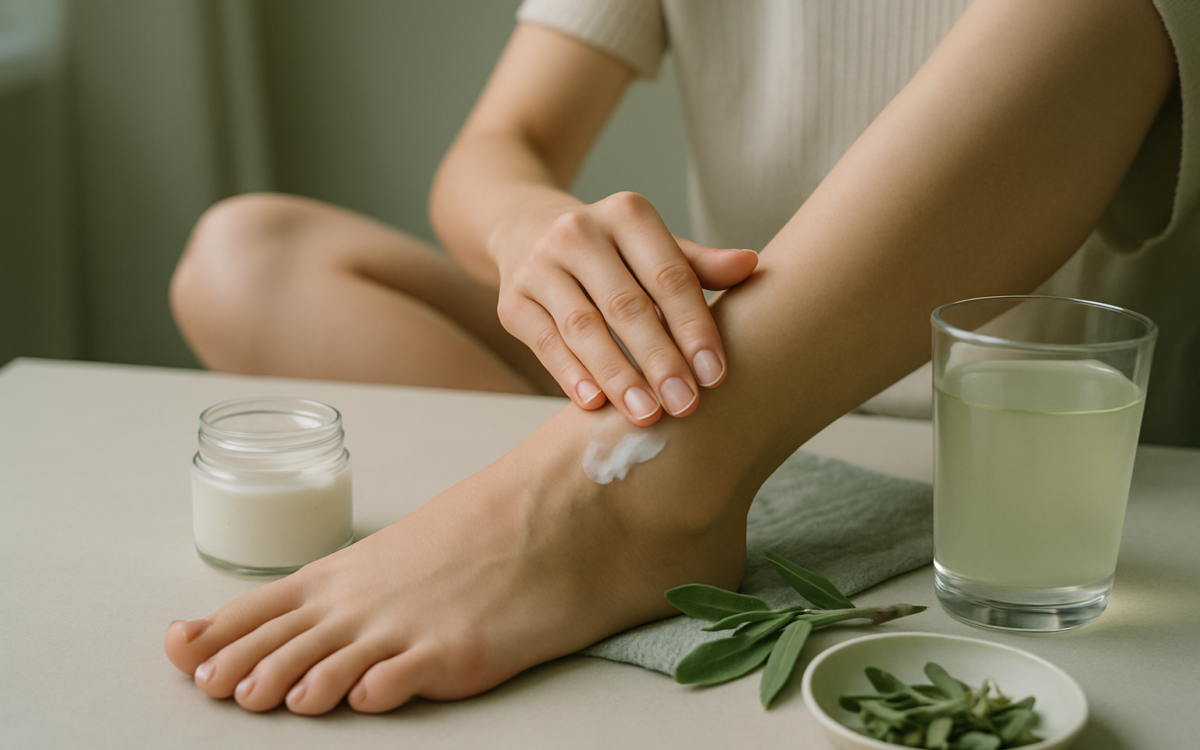
Swelling is a common issue that affects many people at some point in their lives. Whether it’s due to an injury, dietary choices, or underlying health conditions, managing swelling naturally can significantly improve comfort and overall wellness. In this article, we’ll explore various natural anti-swelling remedies and lifestyle changes that might help reduce inflammation.
Understanding swelling
Swelling, often called edema, occurs when excess fluid builds up in your body tissues. It can affect specific areas, such as the legs or arms, or it can be more widespread. Swelling may result from several factors, including injury, allergies, pregnancy, and certain medical conditions. Understanding the cause of swelling is crucial for determining the best approach to manage it. For more information about types and causes of swelling, you can refer to the NIH.
Anti-inflammatory foods
Diet plays a vital role in managing swelling. Certain foods possess anti-inflammatory properties that can help reduce fluid retention. Here are some to consider including in your diet:
- Fruits and vegetables: Berries, cherries, spinach, and kale are rich in antioxidants and nutrients that can decrease inflammation.
- Healthy fats: Olive oil, avocados, and fatty fish like salmon are excellent sources of omega-3 fatty acids, known for their anti-inflammatory effects.
- Nuts and seeds: Almonds, walnuts, and flaxseeds provide essential fatty acids and antioxidants.
- Whole grains: Oats, brown rice, and quinoa are high in fiber, which may help reduce inflammation.
Herbal remedies for swelling
Several herbs have been used traditionally to alleviate swelling. While research is ongoing, some studies suggest they may be beneficial:
- Turmeric: This vibrant yellow spice contains curcumin, which has anti-inflammatory properties. Adding turmeric to your meals or taking it as a supplement might help reduce swelling.
- Ginger: Known for its digestive benefits, ginger also has anti-inflammatory effects. It can be consumed fresh, in teas, or as a supplement.
- Devil’s claw: This herb has been used in traditional medicine for its anti-inflammatory properties. Some studies suggest it may help with pain and swelling.
Always consult with a healthcare provider before trying new herbal remedies, especially if you’re on medication or have health conditions.
Hydration and fluid management
Staying well-hydrated is essential for reducing swelling. When the body is dehydrated, it may retain fluids, leading to increased swelling. Drinking enough water helps flush out excess sodium and reduce water retention.
Additionally, limit intake of salty foods as they can cause your body to retain water. If you’re concerned about how much water you need, the general guideline is about 8-10 cups per day, depending on factors like your activity level and climate.
Topical treatments
For localized swelling, topical treatments can be helpful. Some effective natural options include:
- Cold compress: Applying a cold compress or ice pack wrapped in a cloth can reduce swelling and numb the area.
- Essential oils: Oils like peppermint and eucalyptus can be diluted with a carrier oil and gently massaged into swollen areas to improve circulation and reduce swelling.
- Apple cider vinegar: Some people use diluted apple cider vinegar as a topical remedy. Dilute it with water and apply to the affected area to see if it provides relief.
Exercise and movement
Physical activity is crucial for managing swelling, especially if it’s related to poor circulation. Gentle exercises such as walking, swimming, or yoga can help stimulate blood flow and reduce fluid accumulation. Stretching and moving your limbs can also be effective, especially for swollen feet and ankles.
However, it’s essential to listen to your body. Rest and avoid vigorous activities if you’re experiencing significant swelling due to injury or a health condition.
When to see a doctor
While many instances of swelling can be treated with natural remedies, it’s important to consult a healthcare provider if you experience:
- Swelling that lasts more than a few days
- Severe swelling accompanied by pain or redness
- Swelling in one leg or arm, which could indicate a blood clot
- Swelling associated with unexplained weight gain or difficulty breathing
Conclusion
Managing swelling naturally can be effective for improving comfort and quality of life. By incorporating anti-inflammatory foods, herbal remedies, proper hydration, and gentle exercise, you can support your body’s ability to reduce swelling. Remember, it’s always best to consult with a healthcare professional before starting any new treatment, especially if swelling persists or worsens. Stay proactive, listen to your body, and enjoy the journey toward better health.
