
When you think about nutrition, protein might not be the first thing that comes to mind. However, this essential macronutrient is a powerhouse, influencing nearly every aspect of our health. From building muscles to supporting immune function, protein is a crucial component of a healthy diet. Let’s dive deeper into why protein is important.
What is Protein?
Protein is a macronutrient made up of amino acids, which are the building blocks of body tissues. There are 20 different amino acids, and our bodies can create 11 of them. The remaining nine, known as essential amino acids, must come from food. Protein is found in various foods such as meat, dairy, nuts, and legumes.
Why Do We Need Protein?
Protein serves many functions in our bodies that are essential for our overall health:
- Building and Repairing Tissues: Protein plays a vital role in the growth and repair of tissues. Whether it’s muscle, skin, or internal organs, protein is involved in healing and replenishing cells.
- Supporting Immune Function: Antibodies, which are proteins, help protect our bodies from infections. A sufficient protein intake can enhance the immune response.
- Transporting Nutrients: Some proteins act as carriers, transporting essential nutrients in the blood. For example, hemoglobin, a protein in red blood cells, carries oxygen from the lungs to the rest of the body.
- Regulating Hormones: Proteins also serve as hormones, which are crucial for many bodily functions, including metabolism and mood regulation.
Protein and Muscle Health
One of the most well-known benefits of protein is its role in muscle health. For athletes and active individuals, protein is crucial for muscle repair and growth. When you exercise, especially through resistance training, tiny tears occur in muscle fibers. Protein helps repair these tears, leading to muscle growth.
According to research, consuming adequate protein can significantly increase muscle mass when combined with strength training (NIH). It’s typically recommended for those looking to build muscle to consume about 1.2 to 2.0 grams of protein per kilogram of body weight each day, depending on their exercise regimen.
How Much Protein Do You Need?
The amount of protein an individual needs can vary based on several factors, including age, sex, and level of physical activity. The general recommendation for adults is about 46 grams per day for women and 56 grams for men. However, this amount can increase for those who are pregnant, breastfeeding, or highly active.
For example, older adults should aim for higher protein intake to help maintain muscle mass and strength, which is essential for leading an active life as we age (CDC).
Protein Sources: What to Include in Your Diet
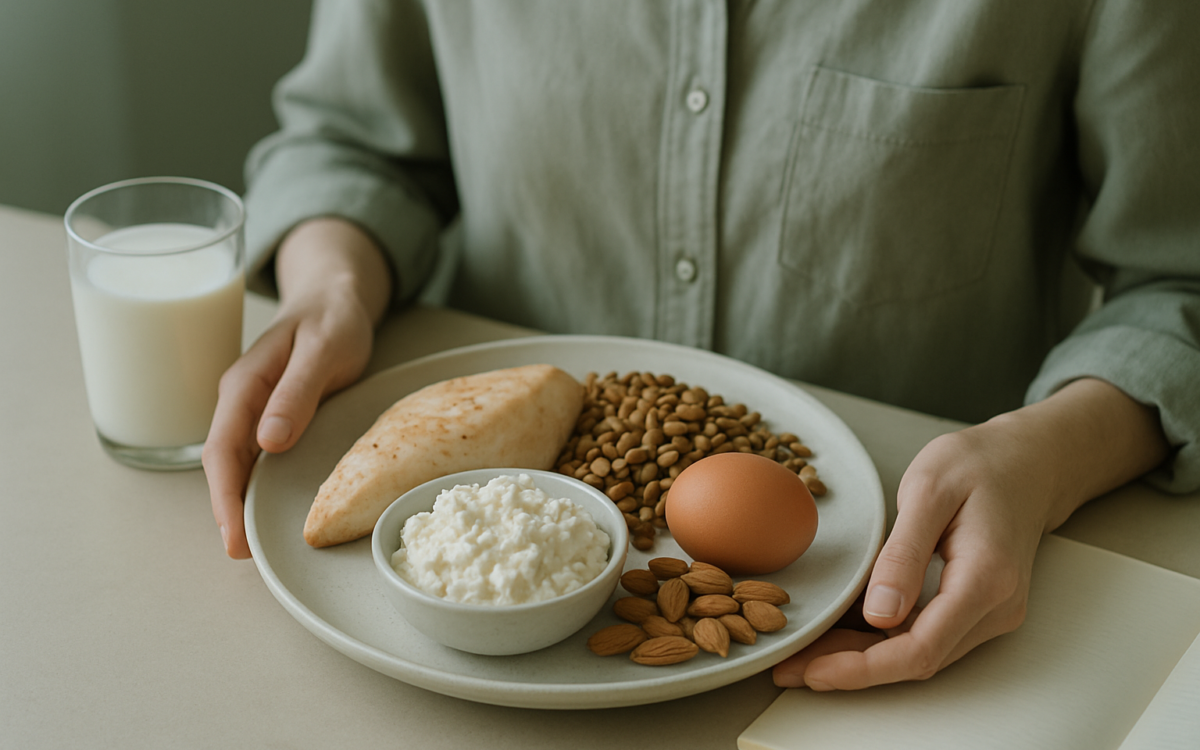
Incorporating a variety of protein sources into your diet can help ensure you receive all the essential amino acids your body needs. Here are some excellent sources of protein:
- Animal Sources: Chicken, turkey, beef, pork, fish, eggs, and dairy products like milk, yogurt, and cheese.
- Plant Sources: Legumes such as beans and lentils, nuts and seeds, tofu, tempeh, and whole grains like quinoa and brown rice.
Combining different plant-based protein sources can also ensure you get all essential amino acids. For example, rice and beans together create a complete protein.
Balancing Protein Intake
While protein is essential for health, it’s crucial to balance your intake with other nutrients, such as carbohydrates and fats. Overconsuming protein, especially from animal sources high in saturated fat, can lead to health issues like heart disease.
Maintaining a balanced diet means including a variety of foods from all food groups. The key is moderation and diversity. For optimal health, aim to get protein from both animal and plant-based sources.
When to See a Doctor
If you’re unsure about how much protein you should be consuming or have specific health concerns regarding your diet, it’s a good idea to consult with a healthcare professional or a registered dietitian. Conditions such as kidney disease or liver issues can impact how much protein you should include in your diet.
Conclusion
Protein is a vital nutrient that plays a pivotal role in various bodily functions, from muscle building to immune defense. Understanding its importance can help you make informed dietary decisions that support your health and well-being. Remember, a balanced approach to your diet, including a variety of protein sources, is the best way to ensure your body gets the nourishment it needs to thrive.
