
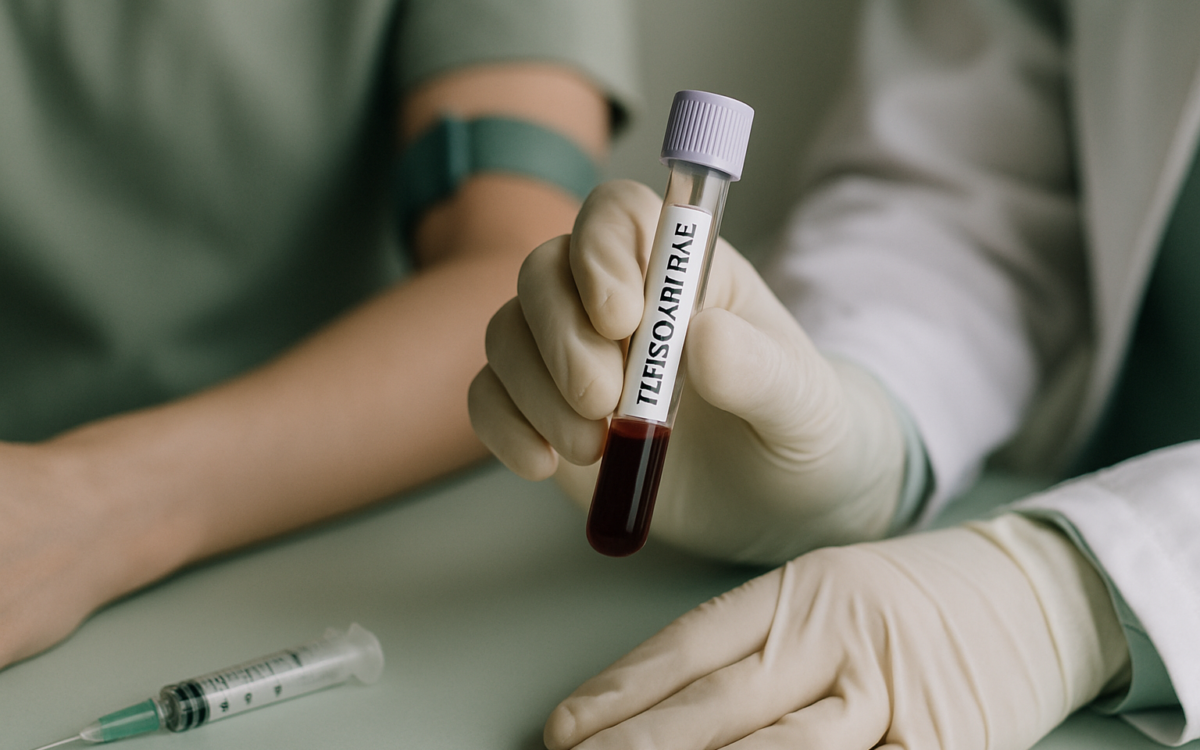
Testosterone is often referred to as the male hormone, but it’s crucial for both men and women. This vital hormone plays a significant role in various bodily functions, including muscle mass, bone density, mood, and sexual health. A testosterone blood test can help assess hormone levels, providing valuable insights into an individual’s health. In this article, we’ll break down what the testosterone blood test entails, its importance, and what you can expect from the process.
What is a testosterone blood test?
A testosterone blood test measures the level of testosterone in your bloodstream. Hormone levels can fluctuate throughout the day, which means timing can be essential. Generally, testosterone levels are highest in the morning, so many doctors recommend having the test done early in the day. The results can help diagnose various health conditions and guide treatment if necessary.
Why is it important?
The testosterone blood test is essential for several reasons:
- Diagnosing Hormonal Imbalances: The test can help identify conditions such as hypogonadism, which occurs when the body doesn’t produce enough testosterone.
- Evaluating Symptoms: If you experience fatigue, low libido, depression, or muscle loss, your doctor may order this test to determine whether a testosterone deficiency could be a contributing factor.
- Monitoring Treatment: If you are undergoing testosterone replacement therapy or other treatments, regular testing is crucial to ensure hormone levels are within a healthy range.
Overall, understanding testosterone levels can provide important insights into a person’s health and well-being.
How is the test performed?
The testosterone blood test is a simple procedure. Here’s what you can typically expect:
- Preparation: Your doctor may advise fasting for several hours before the test, although this is not always necessary.
- Sample Collection: A healthcare professional will draw a small amount of blood, usually from your arm. The process takes only a few minutes and may cause minimal discomfort, like a brief pinprick.
- Lab Analysis: The blood sample is sent to a laboratory where it is analyzed for testosterone levels. Results typically take a day or two to come back.
This straightforward process provides significant information about your body’s hormone levels.
What do the results mean?
Testosterone levels are usually measured in nanograms per deciliter (ng/dL). Normal ranges can vary by age, but generally, for adult males, normal testosterone levels fall between 300 to 1,000 ng/dL. For females, the normal range is significantly lower, around 15 to 70 ng/dL.
Some possible interpretations of the results include:
- Low Testosterone: Levels below the normal range could signify hypogonadism or other hormonal disorders. This condition may lead to symptoms such as fatigue, decreased libido, or depression.
- High Testosterone: Elevated testosterone levels may result from testosterone replacement therapy, tumors, or hormone-related disorders. High levels can lead to symptoms such as aggression, mood swings, or the development of male characteristics in females.
It’s essential to discuss your results with a healthcare provider, who can help determine the next steps based on your health status and symptoms.
Factors influencing testosterone levels
Testosterone levels can vary for numerous reasons, including:
- Age: Testosterone levels typically peak in late adolescence and early adulthood, gradually declining with age.
- Health Conditions: Obesity, diabetes, and hormonal disorders can affect testosterone production.
- Medications: Some medicines can interfere with hormone levels, affecting the results of your test.
- Stress and Lifestyle: High levels of stress or a sedentary lifestyle can lead to decreased testosterone.
Understanding these factors can help you and your healthcare provider interpret your testosterone levels more accurately.
When to consider a testosterone blood test
It’s important to consult a healthcare provider if you experience signs of low testosterone, such as:
- Persistent fatigue or low energy
- Decreased libido or sexual dysfunction
- Loss of muscle mass or strength
- Mood changes, including depression or irritability
A doctor can help determine whether a testosterone blood test is appropriate based on your symptoms and overall health.
When to see a doctor
If you have concerns about your hormone levels or experience symptoms suggestive of hormonal imbalances, it’s essential to consult your healthcare provider. They can evaluate your overall health and decide if further testing, including a testosterone blood test, is appropriate.
In conclusion, the testosterone blood test is an effective tool for understanding your hormone levels and overall health. By being informed about the test and its implications, you can engage in constructive discussions with your healthcare provider, ensuring you get the best care possible. For more information on hormone health, visit the Mayo Clinic or the NIH websites.
