
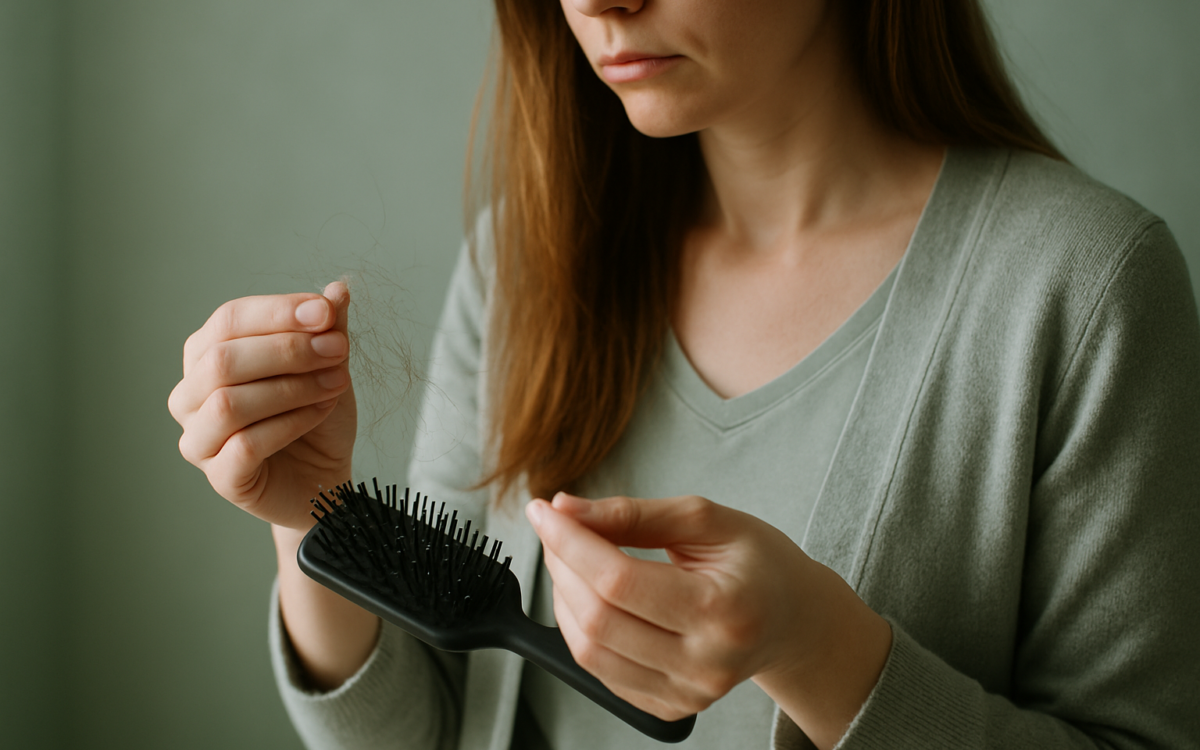
Experiencing hair fall can be distressing, especially for women who often associate their hair with femininity and self-expression. Hair loss is more common than many realize, affecting millions of women worldwide. Understanding the causes and exploring effective solutions may help you manage this condition better.
Common Causes of Hair Fall in Ladies
Hair loss in ladies can stem from various reasons, ranging from genetics to external factors. Here are some common causes:
- Genetic predisposition: Female pattern hair loss is hereditary and can begin in early adulthood, gradually resulting in thinning hair.
- Hormonal changes: Conditions such as pregnancy, menopause, and thyroid issues can lead to significant changes in hormone levels, affecting hair growth.
- Stress: Both emotional and physical stressors can trigger a type of hair loss called telogen effluvium, where hair sheds excessively.
- Nutritional deficiencies: Lacking essential vitamins and minerals in your diet can hinder hair production and promote hair fall.
- Hairstyling practices: Frequent use of heat-styling tools, harsh chemicals, or tight hairstyles can damage hair and lead to breakage.
The Role of Nutrition in Hair Health
Proper nutrition plays a vital role in maintaining healthy hair. A diet rich in essential nutrients can promote hair growth and reduce hair fall. Here are some key nutrients for optimal hair health:
- Proteins: Hair is primarily made up of a protein called keratin. Consuming adequate protein from sources like eggs, fish, poultry, and legumes is crucial.
- Iron: Low iron levels can contribute to hair loss. Incorporate iron-rich foods like red meat, spinach, and lentils into your meals.
- Vitamins A and C: These vitamins help in the production of sebum and collagen, respectively, both of which are essential for hair health. Include fruits and vegetables like carrots, spinach, and citrus fruits.
- Omega-3 fatty acids: Found in fatty fish, flaxseeds, and walnuts, these healthy fats support scalp health and encourage hair growth.
Healthy Hair Care Practices
In addition to a balanced diet, adopting healthy hair care practices can significantly benefit your mane. Here are some tips to keep your hair healthy:
- Be gentle: Avoid brushing your hair aggressively, especially when it’s wet. Use a wide-toothed comb to reduce breakage.
- Limit heat styling: Reduce the use of blow dryers, straighteners, and curling irons. When needed, use heat protectants to minimize damage.
- Choose the right products: Use shampoos and conditioners that suit your hair type. Avoid products with harsh sulfates and chemicals that can strip moisture from your hair.
- Regular trims: Getting regular haircuts can help eliminate split ends and also encourage healthier hair growth.
Managing Stress for Healthier Hair
Since stress can trigger hair fall, finding ways to manage it is essential. Here are some effective stress management techniques:
- Practice mindfulness: Engaging in mindfulness practices such as meditation or yoga can help reduce stress levels.
- Exercise regularly: Physical activity boosts endorphins, the body’s natural stress relievers, which can improve your mood and overall well-being.
- Get enough sleep: Prioritize sleep by establishing a consistent sleep schedule. Lack of sleep can exacerbate stress and hair fall.
- Connect with others: Maintain social connections. Whether through friends or support groups, talking about your feelings can alleviate stress.
When to Consider Treatment Options
If you’re experiencing significant hair fall that doesn’t improve with lifestyle changes, it may be time to consider treatment options. Various treatments are available, including:
- Minoxidil (Rogaine): An over-the-counter topical treatment that can help stimulate hair growth in some women.
- Prescription medications: Your doctor may recommend medications that address underlying hormonal issues.
- Hair transplant surgery: For severe cases, surgical options may be discussed.
When to See a Doctor
If your hair fall is sudden, patchy, or accompanied by other concerning symptoms, it’s important to consult a healthcare professional. They can help determine the underlying cause and recommend appropriate treatments. Don’t hesitate to reach out if you’re noticing significant changes in your hair or if your emotional well-being is affected. More information on when to seek professional help can be found on reputable health websites like the Mayo Clinic.
Understanding hair fall in ladies is the first step to managing it effectively. By recognizing the potential causes and adopting healthy practices, you can take proactive steps to nurture your hair. Remember that while it’s common to lose some hair daily, addressing any significant changes early can help maintain not only your hair’s health but also your overall well-being.
