
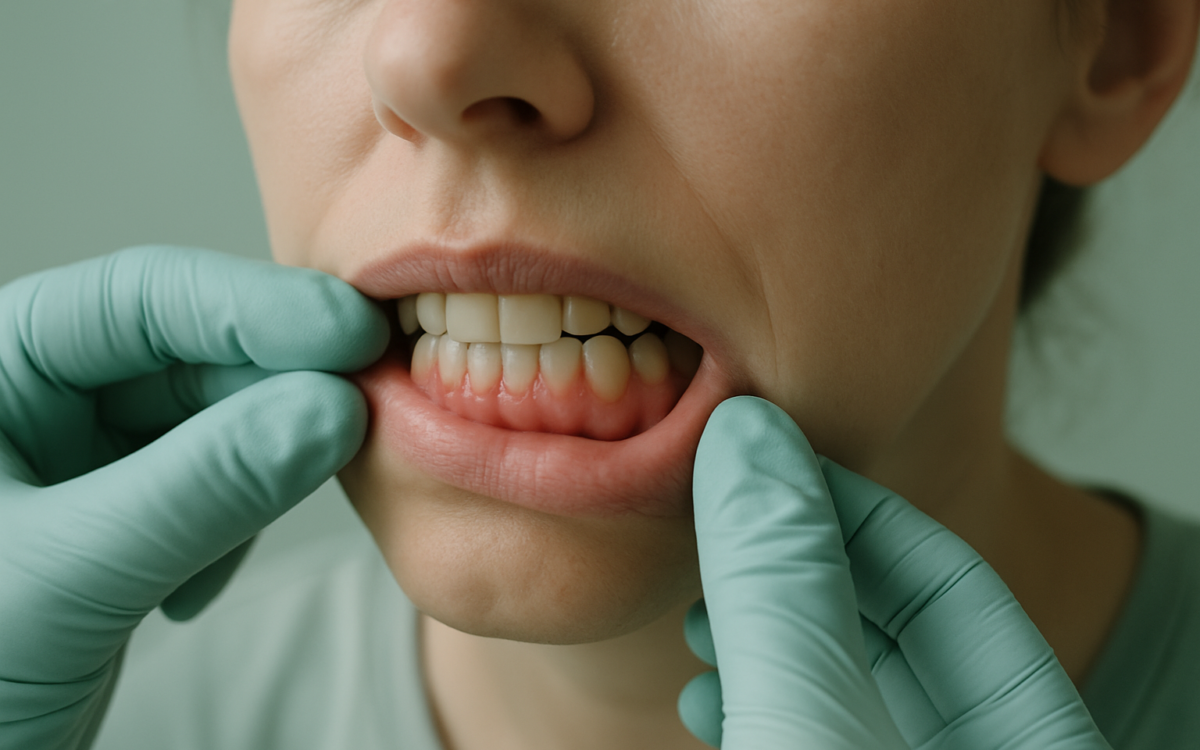
Puffy gums can be alarming, especially when you notice them during your daily brushing routine. They might seem like a minor annoyance at first, but swollen or inflamed gums could signal underlying dental issues that require attention. Understanding the causes, symptoms, and possible treatments for puffy gums is essential for maintaining good oral health.
What Causes Puffy Gums?
Puffy gums can occur for various reasons, most commonly stemming from poor oral hygiene. Here are some key causes:
- Gingivitis: This is the early stage of gum disease, caused by the buildup of plaque, a sticky film of bacteria on your teeth.
- Hormonal changes: Conditions like pregnancy, menstruation, or menopause can lead to increased gum sensitivity and swelling.
- Mouth injuries: Accidental bites or dental procedures can cause inflammation in the gums.
- Dental appliances: Braces or dentures that don’t fit well can irritate gums, leading to swelling.
- Smoking and tobacco use: These habits can increase gum problems, making inflammation more likely.
Recognizing the Symptoms
Learning to identify puffy gums is important for early intervention. Common symptoms include:
- Red, swollen gums that may bleed when brushing or flossing
- Pain or tenderness in the gum area
- A persistent bad taste in the mouth
- Receding gums, where the gum line pulls away from teeth
How to Maintain Healthy Gums
Preventing puffy gums starts with good oral hygiene practices. Here’s how you can protect your gum health:
- Brushing: Brush your teeth at least twice a day using fluoride toothpaste. Pay special attention to the gum line, gently brushing the gums as well.
- Flossing: Daily flossing removes food particles and plaque between teeth and along the gum line where a toothbrush can’t reach.
- Regular Dental Checkups: Visit your dentist at least twice a year for professional cleanings and checkups. Early detection and treatment of gum issues can prevent serious problems.
- Healthy Diet: A balanced diet rich in vitamins and minerals strengthens your gums. Foods high in vitamin C, like oranges and strawberries, are particularly beneficial.
Home Remedies and Over-the-Counter Treatments
If you experience mild symptoms of puffy gums, there are some home remedies and over-the-counter treatments you can try:
- Saltwater Rinse: Mixing a teaspoon of salt in warm water and rinsing your mouth can help reduce inflammation.
- Antiseptic Mouthwash: Using a mouthwash that kills bacteria can help keep your mouth clean.
- Coconut Oil Pulling: Swishing coconut oil in your mouth may reduce oral bacteria and improve gum health.
However, if your symptoms persist, it’s vital to consult your dentist for further evaluation.
International Perspectives on Gum Health
For individuals seeking specialized care or advanced treatments for gum health, options may vary worldwide. If you’re considering traveling for dental care, international patient services can help you navigate treatment options in different countries, potentially offering high-quality care at a lower cost than in your home country.
When to See a Doctor
While puffy gums can often be treated with good oral hygiene and home remedies, it is important to know when you should consult a professional. Seek medical advice if:
- Your gums bleed frequently or excessively.
- You notice persistent swelling that does not improve.
- You develop a fever or experience significant pain.
- Your breath or taste continues to be unpleasant despite good oral hygiene.
In Conclusion
Puffy gums are a common concern that should not be ignored. Understanding their causes and how to care for your gums is crucial for maintaining overall oral health. Remember to prioritize regular dental checkups and consult with your dentist if you experience persistent issues. Your smiles—and gums—deserve the best care!
