
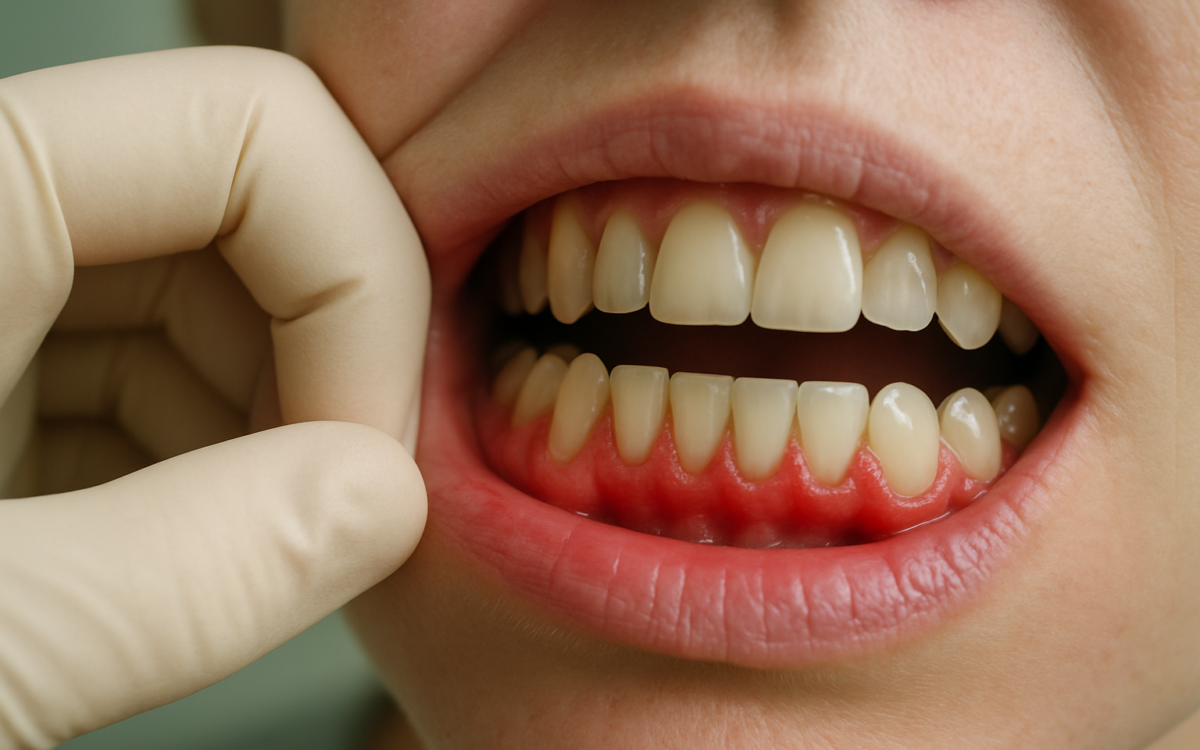
When we think about our health, it often starts with what we see and feel. One area that deserves attention is our oral health. Gingivitis, a common dental condition, is the earliest stage of gum disease and can be an important indicator of your overall oral hygiene. So, what does gingivitis look like? Let’s explore its signs, symptoms, and what you can do about it.
Understanding Gingivitis
Gingivitis is characterized by inflammation of the gums, often caused by plaque buildup, poor oral hygiene, or other factors. When you don’t brush and floss regularly, plaque—a soft, sticky film of bacteria—accumulates on your teeth. If not removed, this plaque can irritate the gum tissue, leading to gingivitis.
Common Signs of Gingivitis
So, how can you recognize gingivitis? Here are some typical signs and symptoms:
- Red, Swollen Gums: Healthy gums are usually pale pink. In gingivitis, they may appear red, puffed up, or tender.
- Bleeding Gums: You might notice bleeding while brushing or flossing. This is one of the most common symptoms.
- Bad Breath: Persistent bad breath, or halitosis, can be a sign of gum disease due to bacterial buildup.
- Receding Gums: If your gums start to pull back from your teeth, exposing more of the tooth’s surface, this can indicate gingivitis.
- Pain or Discomfort: You might experience discomfort when chewing or sensitivity to hot or cold drinks.
What Gingivitis Looks Like: Visualizing the Symptoms
Identifying gingivitis involves a close look at your gums. The redness and swelling are usually clear indicators. If you check in the mirror, observe your gum line closely. Here’s what you might see:
- Gums that are shiny or swollen.
- Color variations, with some areas appearing more inflamed than others.
- Possible pockets of pus forming along the gum line.
Additionally, in chronic cases, the texture of the gums may change, but these symptoms can vary from person to person.
How Do We Develop Gingivitis?
Gingivitis typically results from a combination of factors, including:
- Poor Oral Hygiene: Not brushing twice daily and neglecting flossing can lead to plaque buildup.
- Tobacco Use: Smoking or using other tobacco products can impair gum health.
- Hormonal Changes: Conditions such as pregnancy or menopause can make gums more sensitive and prone to inflammation.
- Medical Conditions: Certain diseases like diabetes can increase the risk of developing gingivitis.
- Nutritional Deficiencies: Lack of vitamin C in your diet may lead to bleeding gums and inflammation.
Understanding these risk factors can be the first step in prevention and management.
Preventing Gingivitis: Daily Practices
Good oral hygiene is essential in preventing gingivitis. Here are several key practices to keep your gums healthy:
- Brush Regularly: Brush your teeth at least twice a day using fluoride toothpaste.
- Floss Daily: Flossing helps remove plaque and food particles from between your teeth and along the gum line.
- Routine Dental Checkups: Regular dental visits for professional cleanings and checkups can help prevent plaque accumulation.
- Avoid Tobacco: Quitting smoking or using tobacco products significantly benefits your oral health.
- Eat a Balanced Diet: Include plenty of fruits and vegetables, particularly those rich in vitamin C, to support gum health.
Your commitment to these daily practices can help you maintain not just healthy teeth, but healthy gums as well.
When to See a Doctor
If you notice symptoms of gingivitis, such as persistent bleeding or swollen gums, it’s essential to consult a healthcare professional. Early intervention can prevent the progression to more serious gum disease, known as periodontitis. Regular check-ups and cleanings can help address these issues before they escalate. According to the CDC, regular dental visits and good oral hygiene are key components in preventing dental diseases.
Conclusion
Gingivitis can often be managed and even reversed with proper care. By recognizing the signs and symptoms, practicing good oral hygiene, and seeking professional guidance when needed, you can keep your gums in excellent condition. Remember, a healthy mouth contributes to overall health, so pay attention to your gum health and take action when necessary. For more information on oral health and gum disease, visit the National Library of Medicine.
