
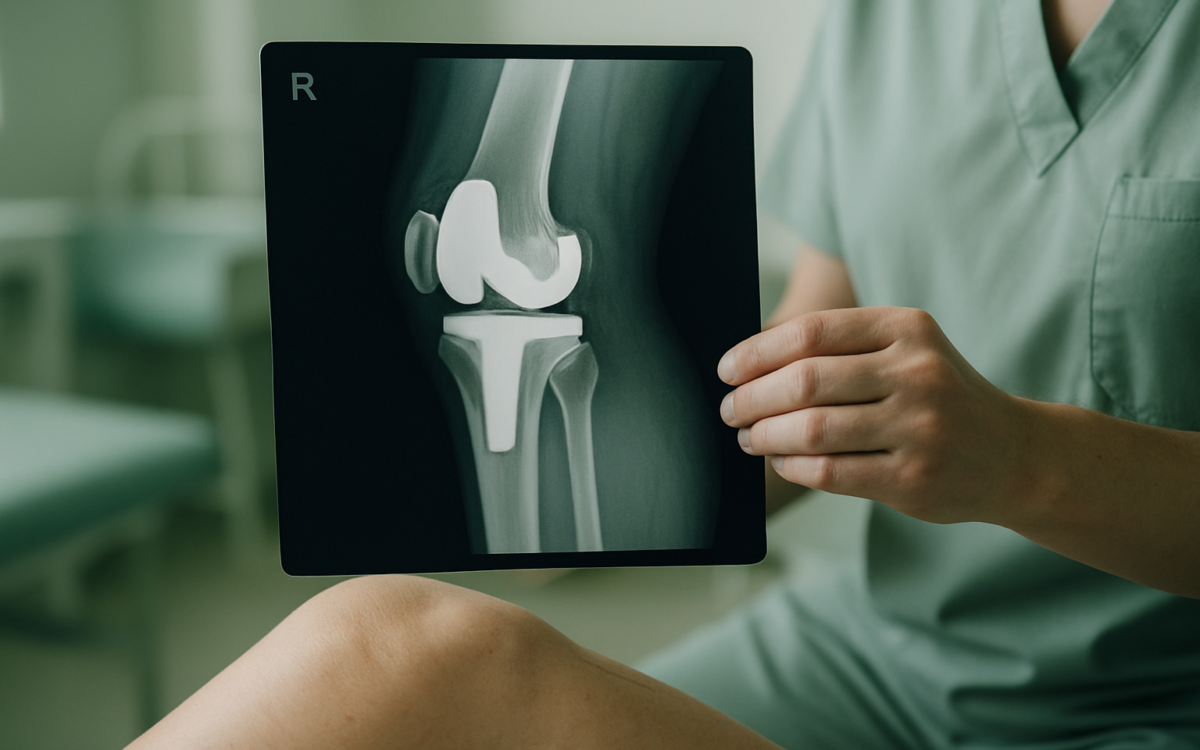
Knee pain can be a debilitating condition that affects countless individuals, often limiting their ability to engage in daily activities. For many, simple tasks like climbing stairs or walking can become arduous due to chronic pain, stiffness, or instability around the knee joint. When conservative treatments fail, a surgical option known as knee arthroplasty might be recommended. This procedure, commonly referred to as total knee replacement, has changed the lives of many by providing relief and improving mobility.
What is knee arthroplasty?
Knee arthroplasty is a surgical procedure aimed at replacing damaged or diseased parts of the knee joint with artificial components. The primary goal is to alleviate pain and restore function in individuals suffering from conditions like osteoarthritis, rheumatoid arthritis, or knee injuries. The procedure involves resurfacing the knee by replacing the ends of the femur (thigh bone) and tibia (shin bone) with metal and plastic parts that mimic the natural joint.
Who qualifies for knee arthroplasty?
Not everyone with knee pain will require or benefit from knee arthroplasty. Typically, candidates include individuals aged 50 and older who have tried other treatments without adequate relief. Some common signs that may indicate the need for this surgery include:
- Persistent pain that interferes with daily activities
- Stiffness or swelling that limits movement
- Joint deformity or instability
- Reduced quality of life due to knee issues
If your doctor recommends knee arthroplasty, it’s crucial to discuss your overall health, any previous surgeries, and your expectations for the outcome.
The knee arthroplasty procedure
The actual procedure typically takes about one to two hours and is performed under general or spinal anesthesia. Here’s a simplified overview of the steps involved:
- Anesthesia: You will receive anesthesia to ensure you are comfortable during the surgery.
- Accessing the knee: The surgeon makes an incision over the knee to access the joint.
- Removing damaged tissue: The damaged cartilage and bone from the femur and tibia are removed.
- Inserting implants: The surgeon places the metal and plastic components into the knee joint, ensuring proper alignment and stability.
- Closure: The incision is closed with sutures or staples, and a dressing is applied.
After the surgery, you will be moved to a recovery room where your vital signs will be monitored. Pain relief will be provided through medication, and physical therapy will begin shortly after to help regain strength and mobility.
Recovery and rehabilitation
Recovery from knee arthroplasty varies among individuals but typically involves several stages:
- Initial recovery: During the first few days, patients may experience swelling and discomfort. Ice packs and elevation of the leg can help manage these symptoms.
- Physical therapy: Engaging in supervised physical therapy is crucial. Initially, exercises will focus on gentle range of motion and gradually increase in intensity to improve strength.
- Independence: Most patients can return to daily activities within a few weeks, but full recovery can take up to six months or longer.
It’s essential to follow your surgeon’s instructions closely and attend all recommended rehabilitation sessions to achieve the best results. For those considering knee arthroplasty outside of their home country, treatment in Turkey can provide high-quality care at competitive costs, which may be an option worth exploring.
Benefits and potential risks
Knee arthroplasty comes with notable benefits, including:
- Significant pain relief
- Improved mobility and function
- Enhanced quality of life
- Long-lasting results, with many patients experiencing benefits for over 15 years
However, as with any surgery, there are some risks involved, including:
- Infection at the surgical site
- Blood clots in the legs
- Persistent pain or stiffness
- Implant failure, requiring revision surgery
Consult your doctor to weigh the benefits against potential risks based on your individual health condition.
When to see a doctor
If you experience persistent knee pain, swelling, or difficulty in performing everyday activities, it may be time to consult a healthcare provider. Prompt evaluation can help identify the underlying cause and the best course of action, whether that involves conservative measures or surgical options like knee arthroplasty.
In conclusion, knee arthroplasty can be a transformative procedure for those suffering from severe knee pain and reduced mobility due to joint damage. With advancements in surgical techniques and recovery protocols, many patients can return to their normal activities with renewed vigor. Always discuss your options thoroughly with your healthcare team to ensure the best decision for your health needs.
