
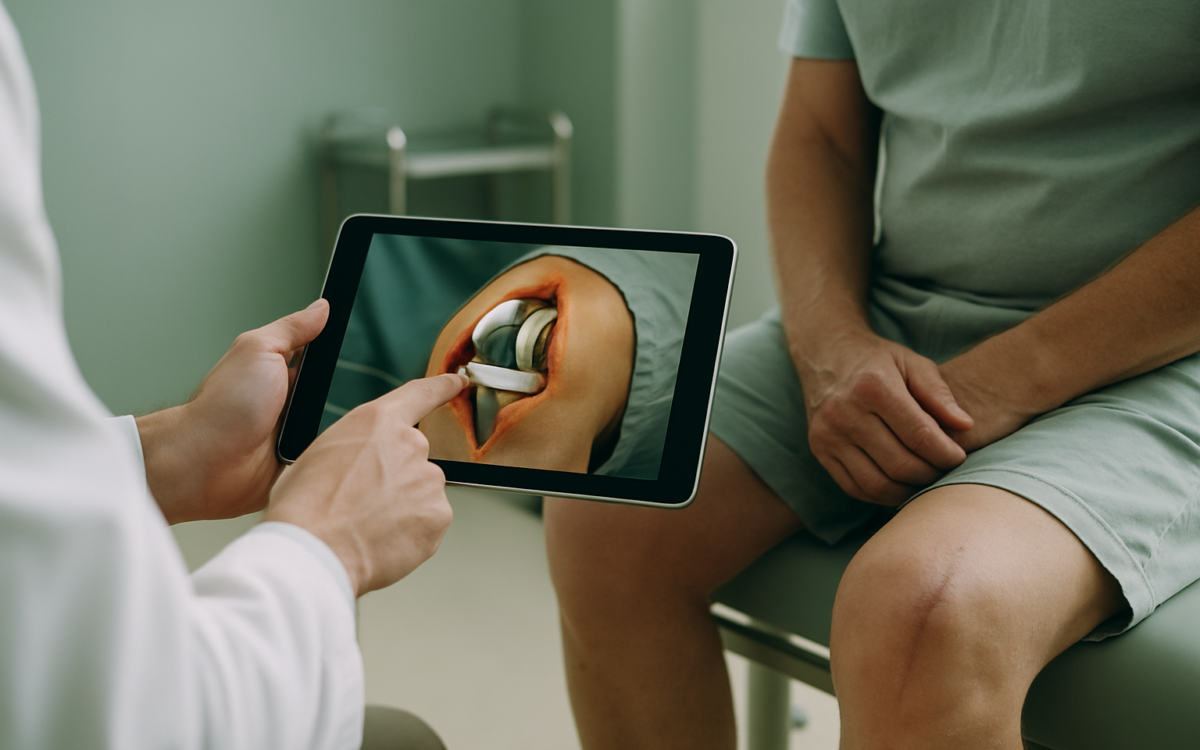
Imagine struggling to walk or even stand due to chronic knee pain. For many, total knee replacement (TKR) surgery offers a chance at a more active, pain-free life. If you’re considering this procedure or simply want to understand it better, you’re in the right place. In this article, we will explore what total knee replacement involves, the recovery process, and where you can find helpful videos to guide you through it all.
What is Total Knee Replacement?
Total knee replacement is a surgical procedure that removes damaged or diseased parts of the knee joint and replaces them with artificial components, called prosthetics. This surgery is often recommended for individuals who suffer from severe knee pain caused by conditions such as osteoarthritis, rheumatoid arthritis, or traumatic injuries. According to the National Institutes of Health, it can significantly reduce pain and improve function for many patients.
Why Consider Total Knee Replacement?
- Persistent Knee Pain: If you have tried conservative treatments like medications, physical therapy, or injections without lasting relief, a TKR might be warranted.
- Limited Mobility: Chronic knee pain can make simple activities like walking, climbing stairs, or exercising difficult. TKR can help restore mobility.
- Improved Quality of Life: Many patients report significant improvements in their overall wellbeing after the surgery.
What Happens During the Surgery?
Total knee replacement is typically performed under general or spinal anesthesia. The procedure usually lasts about 1 to 2 hours. Here’s a simplified breakdown of the surgery:
- The surgeon makes an incision in the front of the knee to access the joint.
- Damaged cartilage and bone are removed and replaced with metal and plastic components.
- The new prosthetic components are carefully fitted to help restore the knee’s function.
- The incision is closed, and the knee is bandaged.
Post-Surgery Recovery
The recovery process after a total knee replacement is just as important as the surgery itself. Most patients stay in the hospital for 1 to 3 days following the procedure. During this time, rehabilitation begins. Here are key elements of the recovery phase:
- Physical Therapy: You will likely start physical therapy within a day or two after surgery, focusing on regaining strength and range of motion.
- Pain Management: Pain relief is crucial during recovery. Physicians usually prescribe medications and recommend ice therapy.
- Gradual Activity Increase: As you recover, activities may gradually escalate from basic mobility (like standing and walking) to more demanding tasks (like climbing stairs).
Where to Find Total Knee Replacement Videos
Visual resources can be invaluable for understanding the total knee replacement process. Watching videos can demystify the surgery and recovery journey:
- Mayo Clinic: The Mayo Clinic often provides educational videos that detail what to expect before, during, and after the surgery.
- Cleveland Clinic: They offer informative guides and visual content that can help visualize the surgery and recovery process.
Search for terms like “total knee replacement surgery video” on video platforms for a plethora of first-hand experiences from patients and educational content from professionals.
Success Rates and Risks
Total knee replacements have high success rates, with studies showing that over 90% of patients report satisfaction post-surgery ([CDC](https://www.cdc.gov/)). However, like all surgical procedures, there are risks, including:
- Infection
- Blood clots
- Stiffness in the knee
- Loosening of the prosthetic
Understanding these risks can lead to informed decision-making regarding your health. Discuss any concerns with your doctor to ensure you’re a suitable candidate for the procedure.
When to See a Doctor
If you are struggling with knee pain that affects your daily activities, or if conservative treatments have failed to provide relief, it’s important to consult with a healthcare professional. Symptoms that indicate you should seek medical advice include:
- Severe pain that limits your mobility
- Swelling and inflammation that does not improve
- Difficulty performing everyday tasks
- Signs of infection (like fever or discharge from the surgical site)
Conclusion
Total knee replacement is a valuable surgical option that could transform your life if you are facing debilitating knee pain. By understanding the procedure, recovery process, and lifestyle changes required afterward, you can approach the surgery with confidence. Be sure to discuss your symptoms and treatment options with your doctor to make an informed choice. Accessing educational videos can also enhance your understanding and readiness for this significant step toward recovery.
