
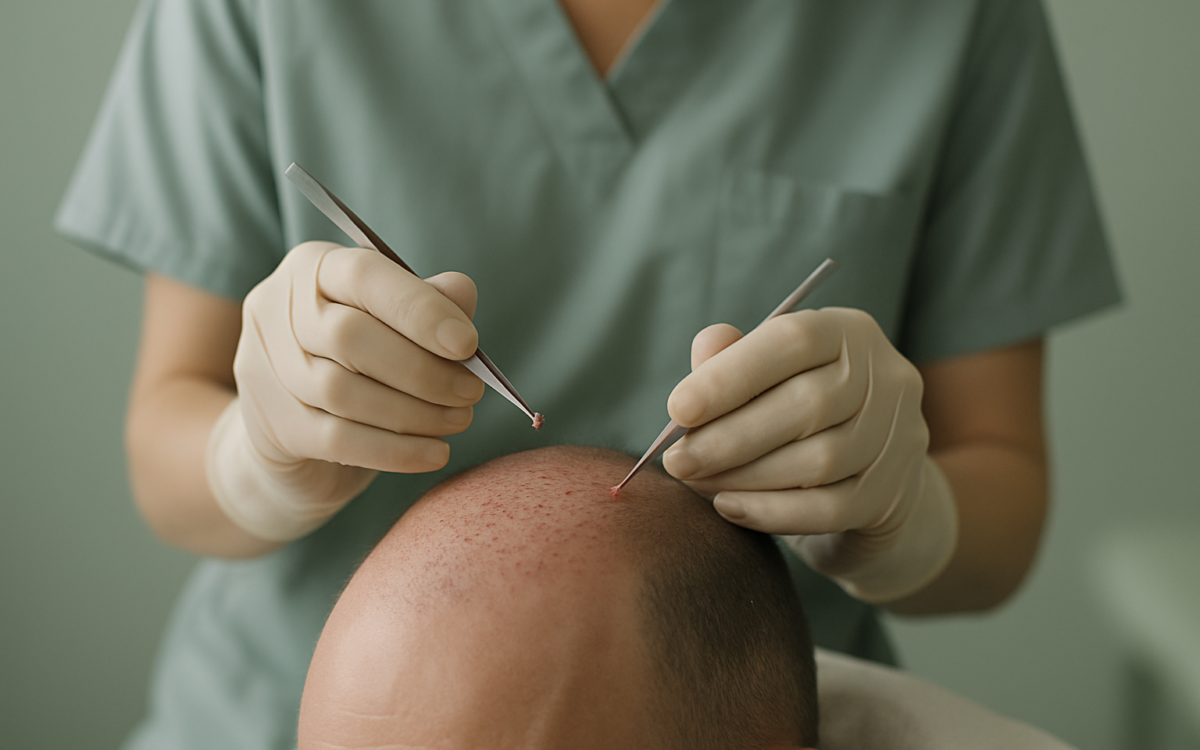
Hair loss can be a challenging experience for many, impacting self-esteem and confidence. Fortunately, hair grafts offer a pathway to restore what is often lost. By understanding how hair grafts work and what the process entails, you can better navigate your options for hair restoration.
What Are Hair Grafts?
Hair grafts are small sections of hair follicles that are surgically removed from a donor site on the patient’s scalp (typically the back or sides of the head) and then transplanted to a balding or thinning area. This method allows for the natural growth of hair in the transplanted region. The term ‘graft’ can refer to a single follicle or a group of follicles, depending on the technique used.
Types of Hair Graft Techniques
There are primarily two methods of hair grafting: Follicular Unit Transplantation (FUT) and Follicular Unit Extraction (FUE).
Follicular Unit Transplantation (FUT)
FUT, also known as the strip method, involves removing a strip of skin from the donor area, which is then dissected into smaller units containing 1-4 hair follicles. This method is often favored for its efficiency, particularly when a large number of grafts are needed. After the strip is removed, the wound is stitched closed, and the individual follicular units are implanted into the balding areas.
Follicular Unit Extraction (FUE)
FUE, on the other hand, involves extracting individual hair follicles directly from the scalp using a specialized tool. This method leaves tiny scars in place of the traditional linear scar that results from FUT. FUE is less invasive, requires less recovery time, and may result in a more natural-looking hairline.
How Hair Grafts Promote Hair Growth
Both methods of hair grafting rely on the principle that the hair follicles in the donor area retain their original characteristics, even when transplanted. This is because the follicles are genetically programmed to grow hair. Once implanted, the transplanted follicles enter a cycle of growth, shedding, and resting, just like naturally occurring hair.
In the weeks following the procedure, it’s common for the transplanted hair to fall out. This shedding is a normal part of the hair growth cycle and is often referred to as “shock loss.” Over the next few months, new hair will begin to grow from the transplanted follicles.
What to Expect During the Transplant Procedure
Deciding on hair grafts involves several steps, including consultations, assessments, and preparations. Typically, the process begins with a consultation where a surgeon evaluates your hair loss and discusses options.
On the day of the procedure, local anesthesia is administered to ensure you feel minimal discomfort. Depending on the method chosen, the surgery can take anywhere from a few hours to a full day. After the grafts are placed, a bandage may be applied to protect the scalp.
Post-Operative Care
Once the hair grafting procedure is complete, post-operative care is crucial for the best possible outcome. Your surgeon will provide specific aftercare instructions, which may include:
- Avoiding washing your hair for the first few days
- Not wearing hats or tight headgear for a week or two
- Refraining from strenuous activity for a few weeks
Follow-up appointments are also essential to monitor progress and ensure healthy healing.
Potential Risks and Outcomes
Like any surgical procedure, hair grafts do come with risks, although serious complications are rare. Some potential side effects include:
- Swelling and discomfort
- Infection at the graft site
- Scarring
- Unsatisfactory aesthetic results
It’s essential to discuss these risks with your healthcare provider to determine if hair grafts are right for you. Most patients experience positive outcomes, with noticeable hair growth within six to nine months after the procedure.
When to See a Doctor
If you are experiencing significant hair loss or thinning and are considering hair grafts, it’s wise to consult a healthcare provider. They can help address any underlying conditions contributing to hair loss and recommend appropriate treatments. If you notice any unusual symptoms post-procedure, such as excessive swelling, redness, or signs of infection, contact your doctor promptly.
Ultimately, hair grafts can be an effective solution for those seeking to restore their hair. By understanding how they work, the techniques involved, and what to expect, you can make an informed decision that aligns with your goals.
For more information about hair loss and treatment options, you can visit resources such as the Mayo Clinic or the National Institutes of Health.
