
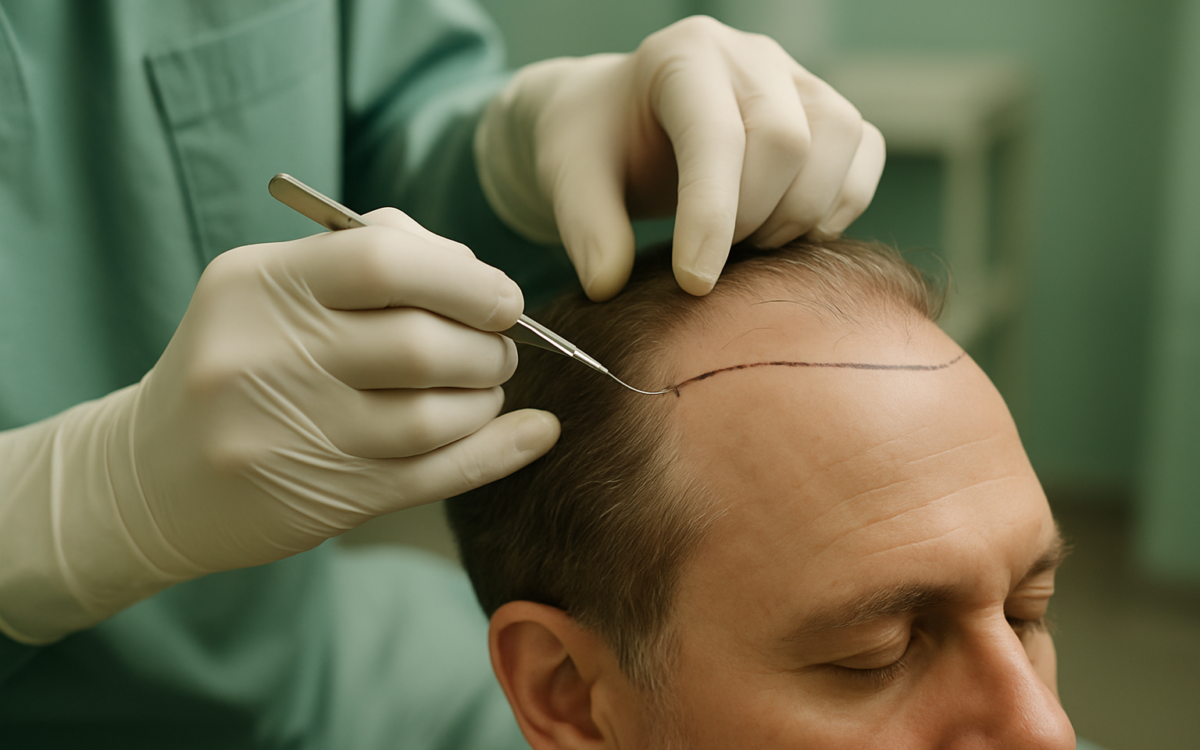
For many, a receding hairline can be a source of concern and self-consciousness. Hairline surgery, also known as hair transplant surgery, is a procedure designed to address this issue effectively. But how does hairline surgery actually work? In this article, we’ll explore the different techniques, the recovery process, and what you can expect if you choose this path.
What is Hairline Surgery?
Hairline surgery involves transplanting hair follicles from one area of the body to the scalp in order to restore hair density and improve the appearance of a receding hairline. This procedure can be beneficial for both men and women experiencing hair loss. There are several techniques employed in hairline surgery, including Follicular Unit Extraction (FUE) and Follicular Unit Transplantation (FUT).
Understanding Hair Loss
Before delving into the specifics of hairline surgery, it’s essential to understand the common causes of hair loss. Genetics play a significant role in male and female pattern baldness, but other factors, such as stress, hormonal changes, and medical conditions, can also contribute. Recognizing the underlying cause of hair loss can help determine the best treatment options. For more information on hair loss causes, you can refer to the Mayo Clinic website.
Hairline Surgery Techniques
There are various techniques used in hairline surgery, each with its own advantages and disadvantages. Here’s a closer look at the two most commonly used methods:
Follicular Unit Extraction (FUE)
- FUE is a minimally invasive technique that involves extracting individual hair follicles from a donor area, typically the back of the head.
- The doctor then transplants these follicles into the thinning or balding areas of the scalp.
- This method leaves small, dot-like scars that are less noticeable than those produced by FUT.
Follicular Unit Transplantation (FUT)
- FUT involves removing a strip of skin from the donor area containing hair follicles.
- The strip is dissected into individual follicular units, which are then transplanted into the recipient area.
- This technique may leave a linear scar, but it often allows for a larger number of grafts to be transplanted in one session.
The Hairline Surgery Process
The hairline surgery process consists of several key steps:
- Consultation: The process begins with a consultation, where you discuss your hair restoration goals with the surgeon. They’ll assess your hair loss pattern and determine if you’re a good candidate for surgery.
- Pre-Operative Care: Before the surgery, you may need to stop medications or supplements that can increase bleeding, as well as refrain from alcohol and smoking.
- Procedure: On the day of the surgery, local anesthesia or sedation is administered, ensuring the procedure is comfortable. The surgeon will then use either FUE or FUT techniques to harvest and transplant hair follicles.
- Post-Operative Care: After the surgery, you’ll receive instructions on how to care for your scalp, including avoiding strenuous exercise and direct sun exposure for a short period.
Recovery and Aftercare
Understanding the recovery process is crucial for managing expectations. After hairline surgery:
- Swelling and redness around the surgical site are common and typically resolve within a few days.
- You may experience some itching or discomfort, which can be managed with over-the-counter pain relievers.
- The newly transplanted hair falls out within a few weeks, which is a normal part of the growth cycle. New hair growth usually begins within a few months.
- Your doctor will schedule follow-up appointments to monitor your healing progress and hair growth.
Results and Expectations
The results of hairline surgery may take several months to fully appear. Most patients start to see new hair growth around three to six months post-surgery, but optimal results can continue to develop for up to a year. It’s important to set realistic expectations; while hairline surgery can significantly improve the appearance of thinning hair, results may vary based on the individual and the extent of hair loss. For more information on hair restoration outcomes, consult the NIH/NLM.
When to See a Doctor
If you notice unusual symptoms following hairline surgery, such as excessive bleeding, severe pain, or signs of infection like fever or pus, consult your doctor immediately. Additionally, if your hair loss persists or worsens, it may be time to discuss further treatment options.
Hairline surgery can be an effective solution for reversing the effects of hair loss, boosting confidence and improving self-esteem. By understanding how the procedure works and what to expect, you can make an informed decision about your hair restoration journey.
