
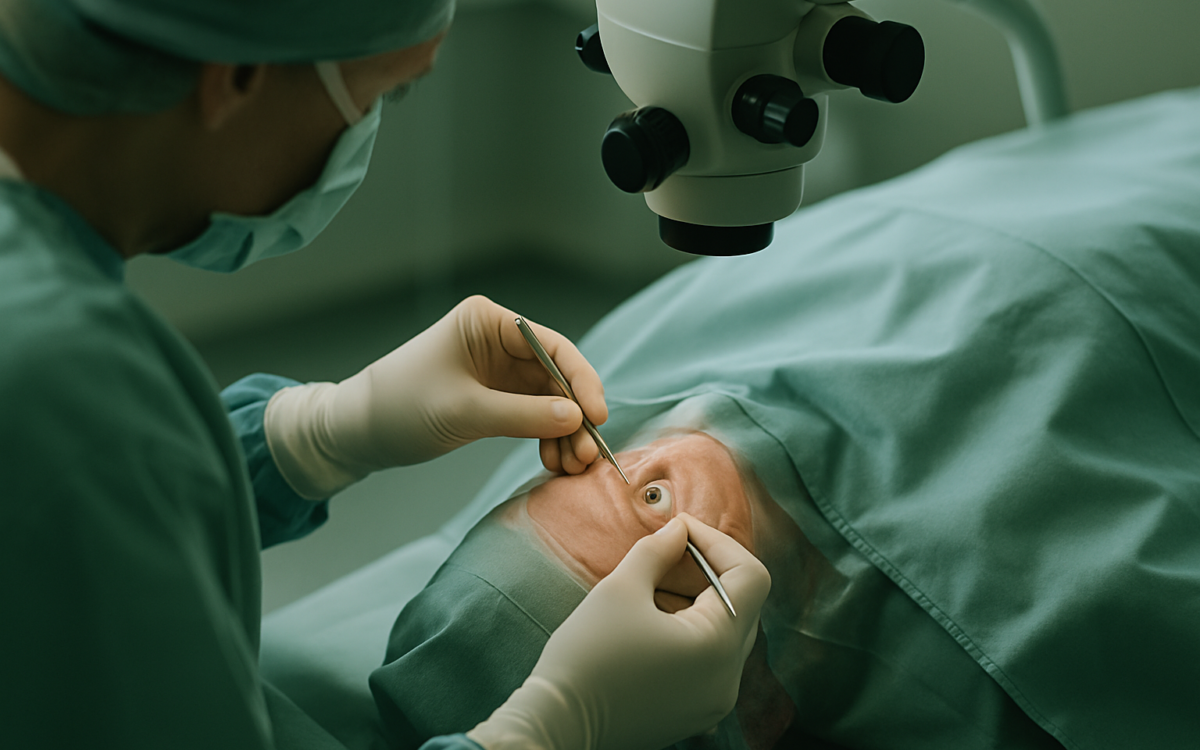
Cataracts are a common eye condition that affects millions of people worldwide, leading to blurred or cloudy vision. For many, cataract removal surgery is a vital step toward restoring clear vision and improving quality of life. In this article, we’ll explore what the surgical procedure for cataract removal entails, how it’s performed, recovery expectations, and when you should consult a doctor.
What are cataracts?
Cataracts form when the lens of the eye gradually becomes cloudy, making it difficult to see clearly. This condition typically occurs as people age but can also result from certain health conditions, medications, or eye injuries. According to the National Eye Institute, more than 24 million Americans age 40 and older have cataracts.
When is surgery necessary?
Not everyone with cataracts will need surgery. Many people manage mild cataracts with stronger glasses or other visual aids. However, surgery may be necessary when:
- Your vision problems interfere with daily activities such as reading or driving.
- Your cataracts make it difficult for your doctor to examine the back of your eye.
- You are experiencing significant discomfort or visual impairment.
If you find that you’re struggling more than usual with your vision, it might be time for a check-up with a healthcare professional.
The surgical procedure for cataract removal
Cataract surgery is one of the most common and safest surgeries performed today. The most widely used technique is called phacoemulsification, which involves the following steps:
- Anesthesia: Your surgeon will typically administer local anesthesia to numb your eye and a sedative to keep you relaxed.
- Opening the lens capsule: The surgeon makes a small incision in the eye, usually about 2 to 3 millimeters long, to access the lens.
- Breaking up the cataract: A device emits ultrasound waves to break the cloudy lens into tiny pieces. This process is called phacoemulsification.
- Removing lens fragments: The tiny fragments of the cataract are then suctioned out of the eye.
- Inserting an artificial lens: After removing the cataract, the surgeon will insert a clear intraocular lens (IOL) to restore focusing capability. There are several types of IOLs available, and your doctor will help you choose the one that best suits your needs.
- Closing the incision: In most cases, the small incision seals itself without the need for stitches.
The procedure usually takes less than an hour, and many patients are able to go home the same day.
Recovery after cataract surgery
Recovery from cataract removal surgery is generally quick, with most people experiencing clearer vision within a few days. Here’s what you can expect:
- Post-operative care: You may need to wear an eye shield while sleeping and use prescribed eye drops to prevent infection and reduce inflammation.
- Follow-up appointments: Your doctor will schedule follow-up visits to monitor your recovery and ensure your eye is healing properly.
- Activity restrictions: Avoid strenuous activities, bending over, and heavy lifting for the first few weeks to allow proper healing.
- Patience with vision changes: Your vision may continue to improve over several weeks as your eyes adjust to the new lens.
If you are considering cataract surgery, it’s important to discuss your options with your healthcare provider to understand the procedure and what to expect during recovery.
International considerations for cataract surgery
For individuals considering cataract surgery, exploring treatment options beyond your home country can sometimes lead to improved access or lower costs. Many international clinics offer high-quality care and specialized services for patients traveling abroad. For example, international patient services can provide assistance with everything from finding a qualified surgeon to organizing travel and accommodation details.
When to see a doctor
If you notice symptoms such as blurred vision, difficulty seeing at night, or glare from lights, consult your doctor. Routine eye exams are also essential, particularly as you age, to detect cataracts and other eye conditions early.
In conclusion, cataract removal surgery is a straightforward procedure that can significantly enhance your quality of life. Whether you are experiencing early symptoms or have difficulty seeing, seeking professional advice will help you understand your options and the best course of action for your vision health.
