
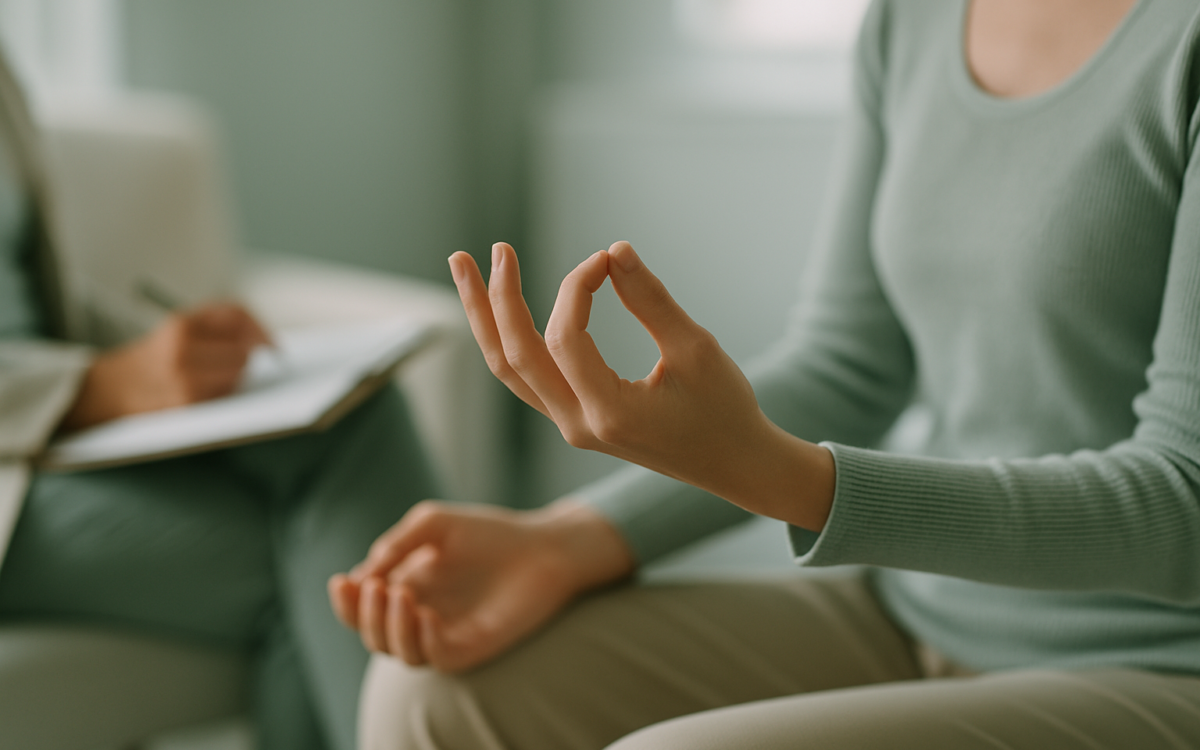
Anxiety can feel like a heavy weight pressing down on you, weaving itself into your thoughts and daily life. It’s a common experience, but it doesn’t have to control you. Understanding certain anxiety management techniques can offer you practical tools to soothe your mind, improve your emotional well-being, and lead a more fulfilling life. In this article, we will explore various strategies that can help you manage your anxiety effectively.
Understanding Anxiety
Before we dive into specific techniques, it’s helpful to understand what anxiety is and how it affects us. Anxiety is a natural reaction to stress, manifesting as feelings of nervousness, fear, or apprehension. Though it can be helpful in small doses, chronic anxiety can interfere with daily life and lead to other health issues.
Breathing Techniques
One of the simplest yet most effective ways to manage anxiety is through controlled breathing. When we’re anxious, our breathing often becomes shallow and rapid, which can worsen feelings of panic. Here are a couple of breathing techniques to try:
- Deep Breathing: Inhale deeply through your nose for a count of four, hold your breath for a count of four, then exhale slowly through your mouth for a count of six. Repeat this several times until you feel calmer.
- 4-7-8 Breathing: Inhale through your nose for 4 seconds, hold for 7 seconds, and exhale through your mouth for 8 seconds. This technique can help slow your heart rate and promote relaxation.
Mindfulness and Meditation
Mindfulness exercises can help anchor you in the present moment and reduce anxiety. Practicing mindfulness involves focusing on your thoughts, feelings, and sensations without judgment. Here are a few ways to incorporate mindfulness into your daily routine:
- Mindful Meditation: Set aside a few minutes each day to sit quietly. Focus on your breath, and when your mind wanders, gently bring it back to the sensation of breathing.
- Mindful Walking: As you walk, pay attention to each step and the sensation of your feet touching the ground. Notice the sights and sounds around you. This practice can ground you in the present moment.
Physical Exercise
Exercise is not only a great way to improve physical health but is also beneficial for mental health. Regular physical activity can boost your mood and reduce feelings of anxiety. According to the Mayo Clinic, even moderate activity, such as walking for 30 minutes most days, can make a difference. Here are some types of exercise to consider:
- Aerobic Exercise: Activities like jogging, cycling, or swimming can increase heart rate and release feel-good hormones called endorphins.
- Yoga and Tai Chi: These practices combine physical movement, meditation, and breathing exercises to promote relaxation and clarity.
Healthy Lifestyle Choices
The way you treat your body can significantly affect your mental health. Adopting healthy lifestyle choices can help manage anxiety effectively. Here are some tips to consider:
- Balanced Diet: Eating a diet rich in fruits, vegetables, whole grains, lean protein, and healthy fats can support better brain health.
- Adequate Sleep: Aim for 7-9 hours of quality sleep each night. Poor sleep can exacerbate anxiety symptoms.
- Avoid Stimulants: Limiting caffeine and nicotine intake can help reduce feelings of anxiety. These stimulants can increase heart rate and feelings of nervousness.
Connecting with Others
Social support is crucial in managing anxiety. Keeping in touch with friends and family can provide an emotional outlet and reduce feelings of isolation. Here are some ways to foster connections:
- Share Your Feelings: Talking about your anxiety with those you trust can relieve some of the burdens. They may offer comfort or even share their experiences.
- Join Support Groups: Consider joining local or online support groups where you can connect with others who understand what you’re going through.
When to See a Doctor
If anxiety becomes overwhelming and interferes with your daily life, it may be time to seek help from a healthcare professional. Signs that you should consult a doctor include:
- Persistent feelings of anxiety that do not seem to improve
- Difficulty managing daily responsibilities
- Experiencing anxiety-related physical symptoms like rapid heartbeat or shortness of breath
Conclusion
Managing anxiety is a journey that involves finding what works best for you. Whether you choose breathing techniques, mindfulness, exercise, or social support, the key is to take proactive steps toward your mental well-being. Remember, consulting with a healthcare professional can also provide additional support tailored to your needs. You’re not alone in this—you have the power to reclaim your peace.
