
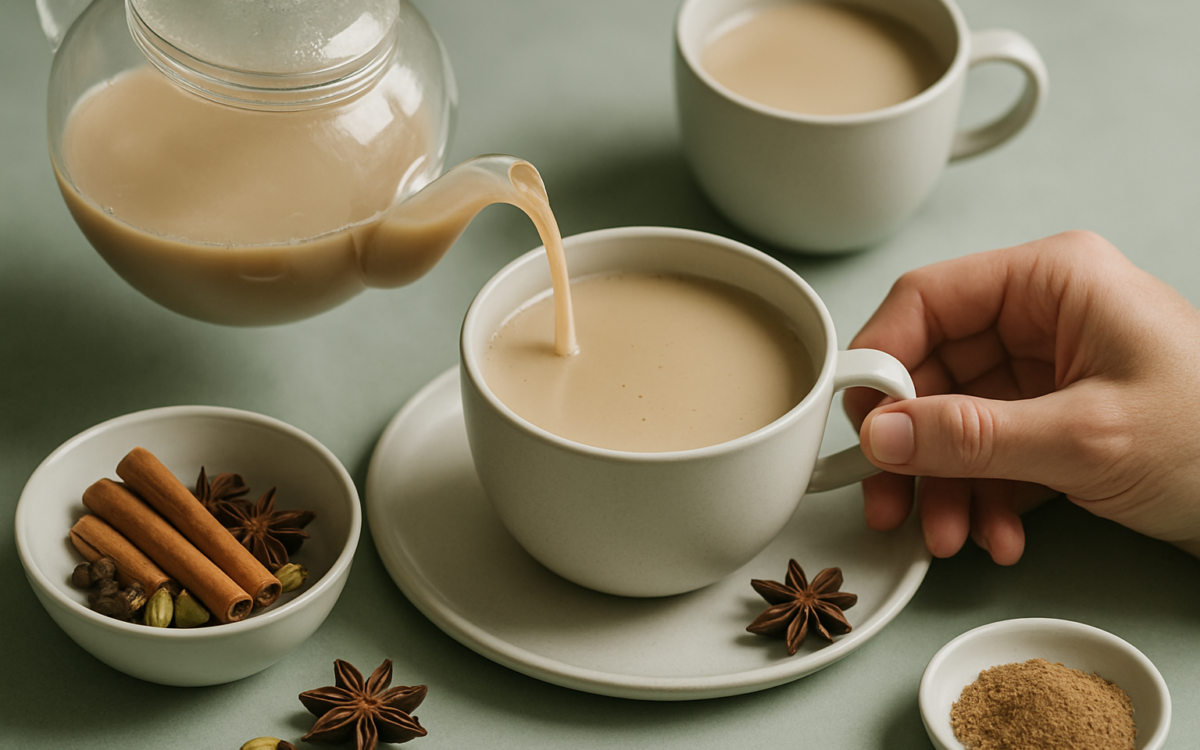
Masala tea, often referred to as chai, is a spiced tea originating from India that has captured the hearts and taste buds of many around the globe. This delightful beverage is not just a treat for your palate; it also boasts a wealth of health benefits. In this article, we’ll explore what masala tea is, its ingredients, health perks, and how to make your own cup of joy.
What is masala tea?
Masala tea is a traditional Indian beverage made by brewing black tea with a mixture of spices and herbs. The term ‘masala’ translates to ‘spice mix’ in Hindi, which perfectly describes the aromatic blend found in this drink. While many variations exist, common ingredients include ginger, cardamom, cloves, and cinnamon, giving the tea its unique taste and warmth.
Ingredients of masala tea
At its core, masala tea consists of three main components: tea leaves, spices, and milk (or a milk alternative). Here’s a closer look:
- Black Tea: The base of masala tea is usually strong black tea, such as Assam or Darjeeling, which lends a robust flavor.
- Spices: Typical spices include:
- Ginger: Known for its anti-inflammatory properties and ability to support digestion.
- Cardamom: This spice can help with breath freshness and may have antioxidant effects.
- Cinnamon: Contains compounds that can help regulate blood sugar levels.
- Cloves: Rich in antioxidants, cloves have properties that may improve liver health.
- Milk: Adds creaminess and balance to the spiciness. You can use dairy or plant-based alternatives like almond or oat milk.
Health benefits of masala tea
Drinking masala tea isn’t just delicious; it can also be beneficial for your health. Here are some of the ways this tea can contribute to your well-being:
1. Antioxidant properties
Black tea and the spices used in masala tea are rich in antioxidants. Antioxidants help fight free radicals in the body, which can contribute to aging and various diseases, including cancer. Incorporating masala tea into your diet can increase your antioxidant intake, promoting overall health (NIH).
2. Digestive support
Many of the spices in masala tea, particularly ginger and cardamom, are known for their positive effects on digestion. Ginger can help alleviate nausea, while cardamom may relieve bloating and gas. Drinking masala tea after a meal can aid digestion and provide comfort.
3. Immune system boost
The combination of spices like cloves and cinnamon can enhance your immune system. Cloves have antimicrobial properties, while cinnamon is known to help control infections and may even lower inflammation, supporting your body’s defenses (NIH).
4. Heart health
Black tea is linked to improved heart health, and when combined with spices, the benefits may be amplified. Compounds found in cinnamon and ginger have been shown to lower cholesterol levels and improve circulation, contributing to cardiovascular well-being.
How to prepare masala tea
Making masala tea at home is simple and allows you to customize your flavor preferences. Here’s a basic recipe to get you started:
- Ingredients:
– 2 cups water
– 1-2 teaspoons black tea leaves (or 1-2 tea bags)
– 1-inch piece of fresh ginger, sliced
– 4-5 cardamom pods, crushed
– 2-3 cloves
– 1 stick of cinnamon
– Sugar or sweetener to taste (optional)
– 1 cup milk or milk alternative
Instructions:
- In a saucepan, bring the water to a boil.
- Add the ginger, cardamom, cloves, and cinnamon to the boiling water. Let it simmer for about 5–10 minutes.
- Add the black tea leaves (or tea bags) and allow it to steep for another 3-5 minutes.
- Strain the tea into a cup, and add milk and sweetener if desired.
- Stir well and enjoy your homemade masala tea!
When to see a doctor
While masala tea can be part of a healthy diet, it’s essential to be mindful of its ingredients, especially if you have underlying health conditions. Consult your healthcare provider if:
- You are pregnant or breastfeeding.
- You have a known sensitivity to caffeine.
- You have been prescribed medications that may interact with certain herbs.
Conclusion
Masala tea is more than just a comforting beverage; it’s a blend of flavors packed with health benefits. From boosting your immune system to aiding digestion, this traditional drink offers an inviting way to enhance your wellness. With its delightful aroma and taste, masala tea can be a wonderful addition to your daily routine. So why not brew a cup today and savor its warmth?
