
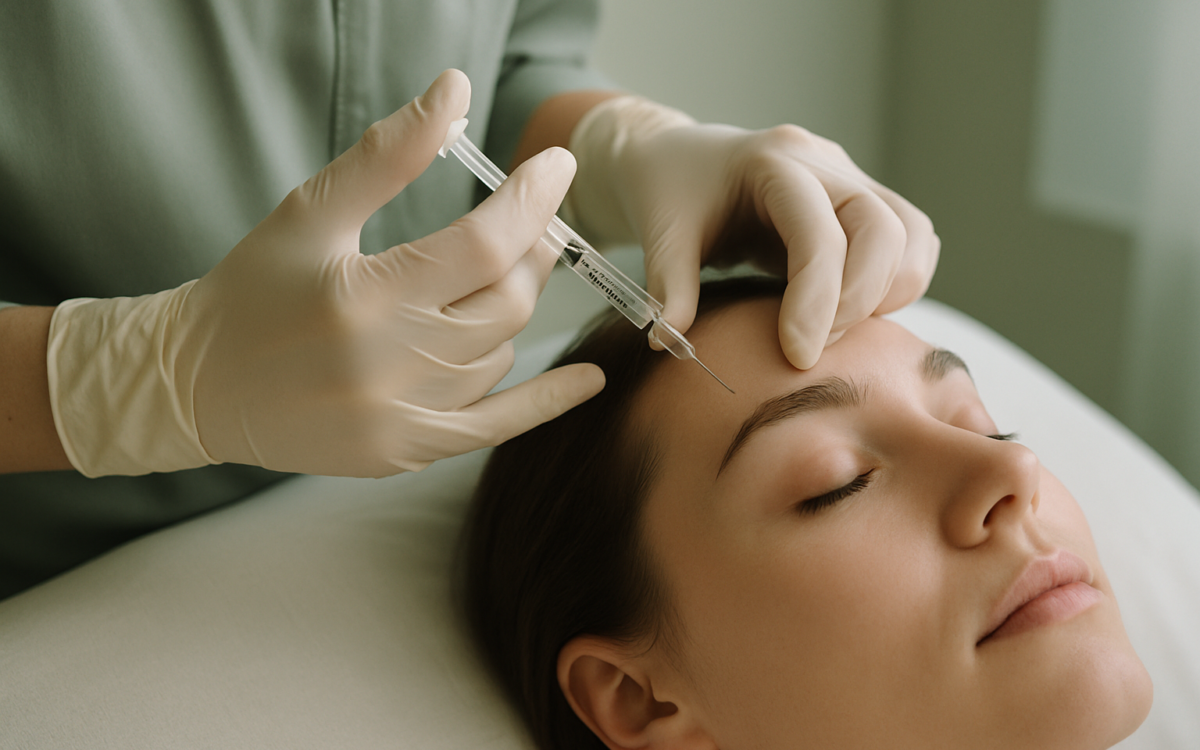
As the beauty industry continues to evolve, treatments that once seemed exclusive to adults are now reaching younger demographics. One such trend is “baby botox,” a term used to describe a lighter form of botulinum toxin treatment tailored for younger adults and those new to cosmetic procedures. Many are curious about how this procedure works, its benefits, and potential risks. If you’re considering baby botox, understanding these aspects will help you make informed decisions.
What is baby botox?
Baby botox is not a specific product but rather a term used to signify a more conservative approach to botulinum toxin injections. In this context, it typically involves lower doses of Botox aimed at preventing fine lines and wrinkles rather than fully erasing existing ones. This treatment aims to provide a more natural and subtle look, allowing for expression without excessive smoothing.
Who is a good candidate for baby botox?
Typically, baby botox is recommended for individuals in their late 20s to early 30s. These younger patients are often looking for preventative measures rather than correcting deep-set wrinkles. Ideal candidates include:
- People with early signs of aging, such as fine lines.
- Those who wish to minimize future wrinkle formation.
- Individuals looking for a subtle enhancement who may be new to cosmetic procedures.
Benefits of baby botox
The popularity of baby botox is driven by its perceived benefits, which include:
- Natural results: With lower doses, the effects are generally more subtle, reducing the chances of looking overly “frozen”.
- Preventative treatment: By starting treatment earlier, individuals may delay more significant aging signs in the future.
- Quick procedure: Baby botox treatments are usually quick, often taking about 15 to 30 minutes.
- Minimal downtime: Most people can return to their regular activities immediately after treatment, making it convenient for busy lifestyles.
Risks and considerations
Like any medical procedure, baby botox comes with its risks and considerations. While serious complications are rare, potential side effects may include:
- Bruising: Some patients may experience bruising at the injection site.
- Headaches: A common side effect following Botox treatment is headaches.
- Muscle weakness: If the injection is not administered correctly, nearby muscles might become weakened, leading to unintended results.
- Allergic reactions: Although rare, allergic reactions to the product can occur.
Before considering baby botox, it’s vital to consult with a qualified medical professional who can evaluate your individual needs and determine if you are a suitable candidate.
How does treatment work?
The actual Botox treatment process is fairly straightforward. Patients typically start with a consultation, during which the practitioner will assess the areas of concern and determine the appropriate dosage. During the actual treatment:
- The skin is cleaned, and a topical anesthetic may be applied to minimize discomfort.
- Botox is carefully injected into specific muscles using a fine needle, targeting areas with fine lines.
- Patients are usually advised to avoid strenuous activities and large amounts of alcohol for a short period post-treatment.
If you’re considering baby botox but seek a more cost-effective option or international perspective, you may want to explore treatment in Turkey. Many clinics abroad offer competitive pricing and high-quality care.
What to expect after the treatment
Post-treatment care is generally minimal but important. Patients are frequently advised to:
- Refrain from massaging the treated areas for at least 24 hours to prevent the Botox from spreading to unintended muscles.
- Limit rigorous exercise for a few days to minimize the risk of bruising.
- Attend any follow-up appointments to assess the results and discuss any concerns with the practitioner.
Results typically become noticeable within a few days and may last anywhere from three to six months, depending on various factors including the individual’s metabolism and the specific area treated.
When to see a doctor
If you experience severe side effects such as difficulty breathing, swallowing, or acute muscle weakness after receiving baby botox, it’s crucial to seek medical attention immediately. Regular check-ups with a qualified practitioner can help you maintain safe levels of treatment going forward.
Before proceeding with any cosmetic treatment, it’s essential to have an open discussion with your healthcare provider. They can help guide your decision based on your medical history, aesthetic goals, and overall health.
Conclusion
Baby botox offers a gentler approach to cosmetic enhancement, focusing on both prevention and subtlety. With the right information and professional guidance, younger adults can achieve their desired look while being mindful of the long-term effects and responsibilities that come with any medical procedure. Remember, a well-informed decision is the best decision for your health and beauty.
