
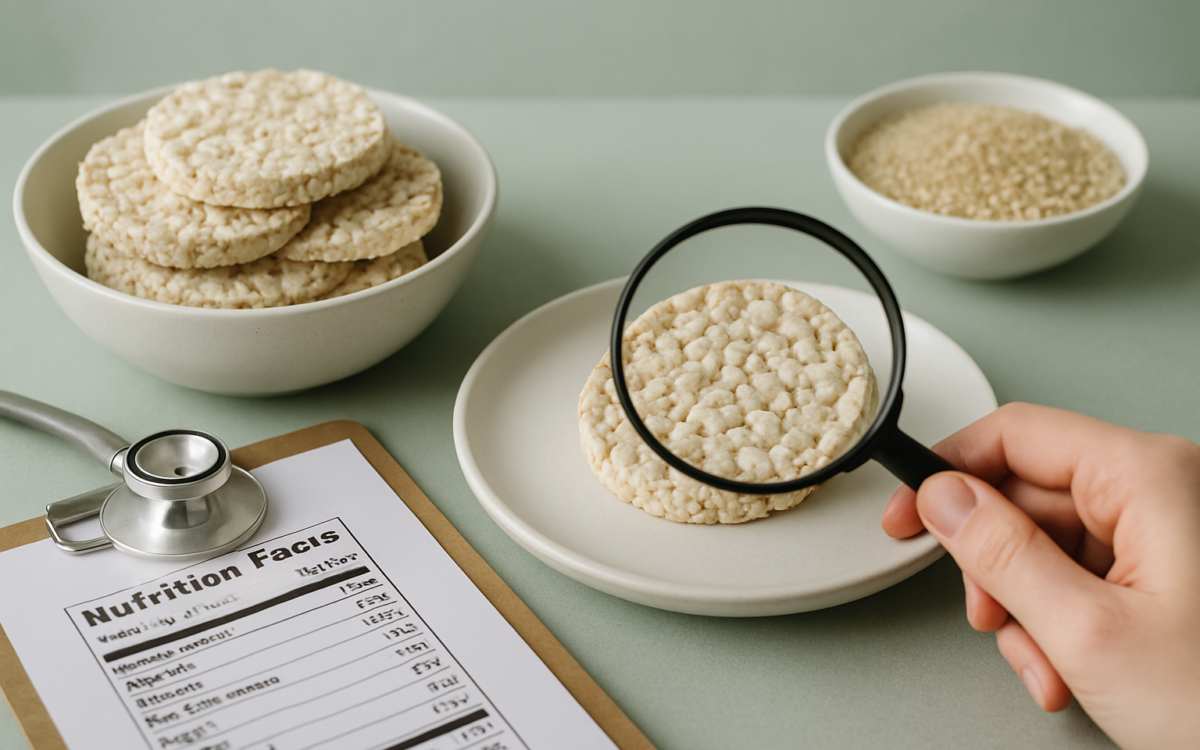
Rice cakes have become a common staple in many kitchens, often hailed for their light and crisp texture. Whether enjoyed on their own or topped with various spreads, they often pop up as a go-to snack for those seeking a light option. However, like any food, it’s essential to understand their nutritional content to make informed choices about what we eat.
Nutritional overview of rice cakes
Rice cakes are typically made from puffed rice and come in various flavors. They are low in calories, making them appealing to those watching their weight. One average plain rice cake (about 9 grams) contains approximately:
- 35 calories
- 0 grams of fat
- 7 grams of carbohydrates
- 1 gram of protein
- 0 grams of sugar
This low-calorie count is one reason rice cakes are popular among dieters and those seeking a quick snack. However, they also come with limitations when it comes to nutritional value.
Carbohydrates in rice cakes
Most of the calories in rice cakes come from carbohydrates, primarily simple carbohydrates. As a result, they provide a quick source of energy but may not sustain you for long periods.
Because rice cakes are made from white rice instead of whole grains, they lack some of the nutritional benefits found in whole-grain options. For instance, they typically contain fewer fiber and nutrient levels, such as B vitamins and minerals. While fiber aids digestive health and keeps you feeling full, rice cakes fall short in this category.
Gluten-free option
For individuals with celiac disease or gluten sensitivity, rice cakes serve as an excellent gluten-free snack. Made from rice (which does not contain gluten), they can be a convenient option for those looking to avoid gluten-containing foods.
However, it’s crucial to check food labels, as some brands may introduce additional ingredients or flavorings that could contain gluten. Always read the labels to ensure you’re choosing pure rice cakes free from gluten contaminations.
Potential health benefits
While rice cakes may not be nutrition powerhouses, they can still be part of a balanced diet when consumed mindfully. Here are a few health benefits worth noting:
1. Low-calorie snack
With their low-calorie count, rice cakes can be beneficial for those who are looking to manage their weight. They can be a satisfying option for a at snack time, provided they are paired with healthy toppings.
2. Versatile and customizable
Rice cakes are incredibly versatile. They can be topped with various spreads to enhance their nutritional profile. Nut butters, avocado, hummus, or even low-sugar yogurt can add protein, healthy fats, and additional vitamins and minerals.
3. Easy digestion
Rice is generally easy to digest, making rice cakes a suitable option for individuals with sensitive stomachs or digestive issues. They provide a gentler alternative to other snacks, helping to maintain energy levels without causing discomfort.
Nutrition comparison: Rice cakes vs. other snacks
When considering alternatives to rice cakes, it can be helpful to compare their nutritional profiles. Here are a few common snack options:
- Potato chips: They are higher in calories and fat, providing little nutritional value.
- Popcorn: Air-popped popcorn is lower in calories and offers more fiber, making it a filling snack.
- Whole grain crackers: These often provide more protein and fiber, making them a more satisfying option compared to rice cakes.
While rice cakes can be a light snack, other options may offer more in the way of nutrition and sustained energy.
Tips for incorporating rice cakes into your diet
If you enjoy rice cakes, here are some ideas for boosting their nutritional value:
- Top them wisely: Consider spreading nut butter or avocado on rice cakes for added nutrients.
- Pair with protein: Enjoy rice cakes with slices of turkey or cottage cheese to make them more filling.
- Add flavor: Use low-sodium salsa, a sprinkle of herbs, or a thin layer of cheese to enhance taste without excessive calories.
- Experiment with flavors: Try different brands and flavors of rice cakes to find your favorites. Some come with added seasonings or grains that provide more nutrients.
When to see a doctor
If you experience any adverse reactions after consuming rice cakes, such as gastrointestinal discomfort or signs of an allergic reaction, consult a healthcare professional.
Conclusion
Rice cakes can be a useful snack for many people, providing a guilt-free option that some may find enjoyable. However, they should not be the sole component of a healthy diet. By understanding their nutritional content and exploring smarter topping choices, you can make rice cakes a more satisfying and nutritious part of your snack rotation. Remember, for any specific dietary concerns, always consult your doctor.
