
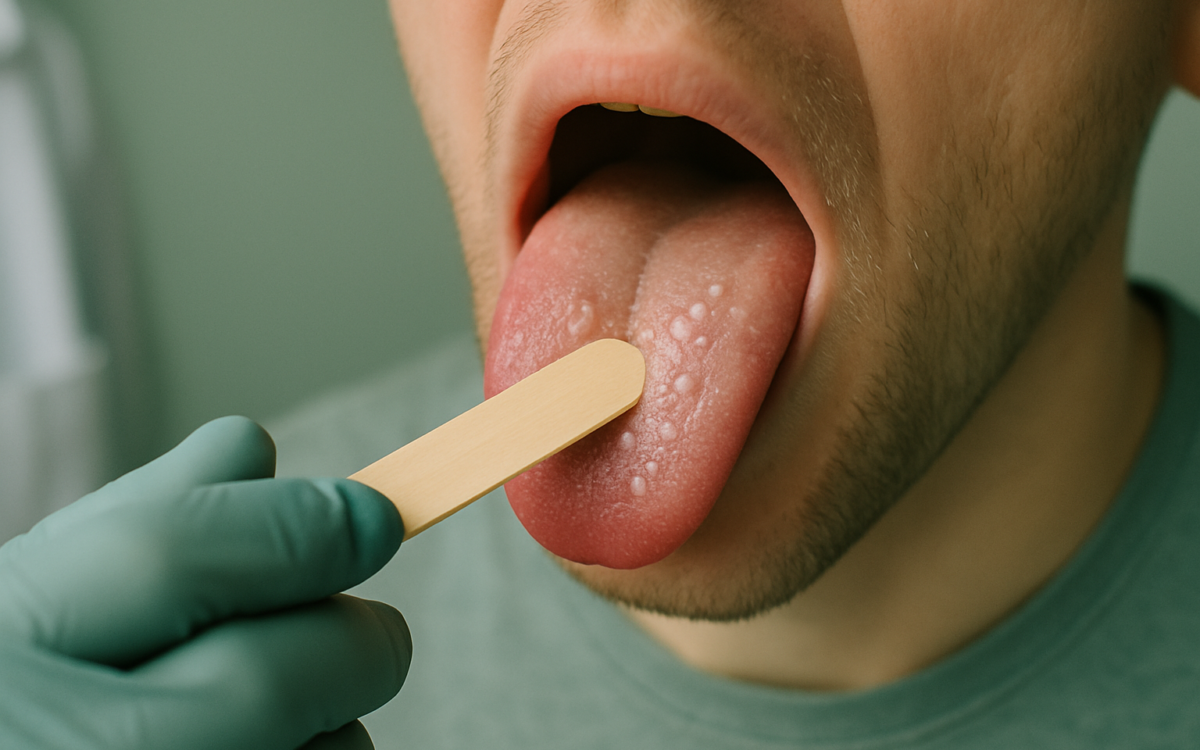
Have you recently noticed white bumps on your tongue? You’re not alone. Many people experience this condition, and while it can often be harmless, it’s important to understand what those bumps might mean. This article will explore the potential causes, symptoms, and when you should seek medical advice.
What are white bumps on the tongue?
White bumps on the tongue can vary in size and may occur alone or in clusters. They can arise from various conditions and can be a source of discomfort, but they are often manageable. These bumps usually appear on the surface or slightly beneath the layer of tissue on the tongue.
Common causes of white bumps
There are several common reasons for the appearance of white bumps on the tongue:
- Canker sores: These are small, painful ulcers that can form on the tongue and inside the mouth. They are usually round and have a white or yellowish center surrounded by redness.
- Oral thrush: This fungal infection, caused by an overgrowth of Candida, can manifest as creamy white bumps or patches on the tongue and other areas of the mouth.
- Geographic tongue: This condition is characterized by irregular, map-like patches that can appear on the surface of the tongue. Sometimes, these areas can become swollen and show white borders.
- Fordyce spots: These are harmless, painless sebaceous glands that can appear as small white or yellow bumps on the lips and tongue.
- Oral lichen planus: This inflammatory condition can cause white, lacy patches or bumps in the mouth, including on the tongue.
Less common but serious conditions
Though many instances of white bumps on the tongue are harmless, some can indicate more serious health issues. These include:
- Leukoplakia: This condition causes thickened white patches in the mouth, which can sometimes be precursors to cancer. It often results from irritation due to tobacco use or ill-fitting dentures.
- Oral cancer: While rare, persistent white bumps or lesions that don’t heal can be a symptom of oral cancer. It’s vital to consult a healthcare provider if symptoms persist.
Symptoms associated with white tongue bumps
The symptoms accompanying white bumps on the tongue may include:
- Pain or discomfort when eating or speaking
- Swelling of the tongue or surrounding tissues
- Difficulty swallowing
- Changes in taste sensation
- Redness or irritation in the mouth
Identifying these symptoms can help guide your next steps. If you experience additional concerning symptoms like fever or trouble breathing, seek medical attention as soon as possible.
When to see a doctor
While many cases of white bumps are benign and will resolve on their own, there are times when you should consult a healthcare professional. Consider reaching out to your doctor if:
- The bumps persist for more than two weeks
- You experience significant pain or discomfort
- The bumps are accompanied by fever or swollen lymph nodes
- You have difficulty swallowing or breathing
Sometimes, medical professionals may recommend specific tests or treatments to address the underlying cause of the white bumps. If you’re considering a more international approach, know that there are options available for treatment in Turkey which can provide modern healthcare solutions.
What to expect during diagnosis
When you visit a healthcare provider about white bumps on your tongue, they will likely start with a physical examination. They may check the appearance and location of the bumps and ask about your medical history, symptoms, and whether you’ve had any recent injuries or infections. In some cases, they might perform additional tests, such as:
- Oral swabs for fungal infections
- Biopsy to rule out cancer or more severe conditions
Each of these steps is vital in determining the cause of your symptoms and finding the appropriate treatment.
How to maintain tongue health
Good oral hygiene is essential for preventing the development of bumps on your tongue. Here are some tips to keep your mouth healthy:
- Brush your tongue gently with your toothbrush or use a tongue scraper to remove debris and bacteria.
- Swish with an alcohol-free mouthwash to help reduce bacteria in the mouth.
- Stay hydrated to maintain saliva flow, which naturally cleanses the mouth.
- Limit the consumption of tobacco and alcohol to reduce irritation.
- Maintain a balanced diet rich in vitamins and nutrients to support immune health.
By incorporating these practices into your daily routine, you can help minimize the risk of developing white bumps and improve your overall oral health.
Conclusion
Understanding the causes and symptoms of white bumps on your tongue can alleviate worries and help you make informed decisions about your health. While many cases are harmless and may resolve without treatment, it’s essential to stay vigilant and consult with a healthcare provider if you have concerns or if symptoms persist. Taking care of your oral health will go a long way in preventing these conditions.
