
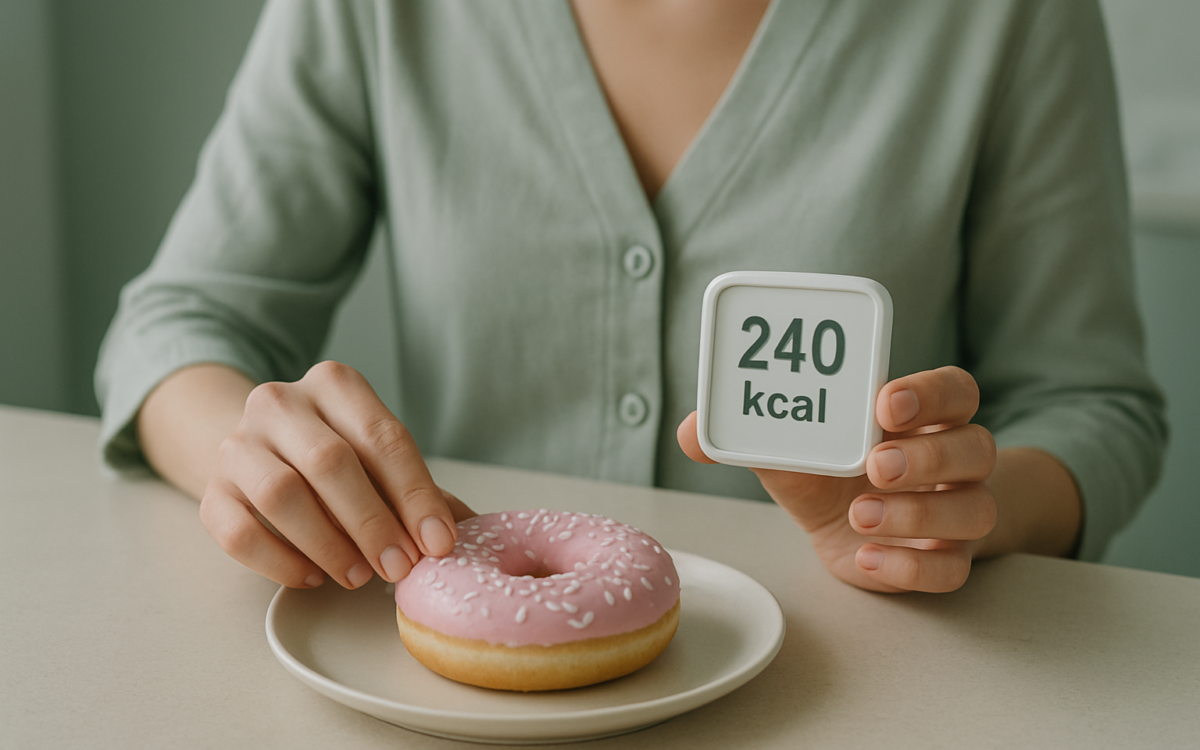
Donuts are a beloved treat for many, often enjoyed with coffee or as a special occasion indulgence. However, if you’re watching what you eat or just curious about nutrition, you might wonder, ‘What exactly am I consuming when I enjoy a donut?’ Understanding the kcal in donuts can help you make better choices without giving up the sweet pleasures of life.
The Basics of kcal in Donuts
The term ‘kcal’ stands for kilocalorie, which is a unit of measurement for energy in food. When it comes to donuts, the number of kilocalories can vary widely depending on the type, size, and ingredients used. On average, a standard glazed donut can contain anywhere from 200 to 300 kcal. However, filled or frosted varieties may exceed this range.
Breaking Down the Nutrition
To truly understand what you’re consuming with a donut, it’s essential to look beyond the kcal number. Here’s a breakdown of typical nutritional components found in one average glazed donut:
- Calories: 200-300 kcal
- Carbohydrates: 25-30 grams
- Protein: 2-6 grams
- Fat: 10-15 grams
- Sugar: 5-12 grams
These values can change based on the size (mini vs. regular) and the ingredients. For example, a chocolate frosted donut may contain more sugar and fats than a plain glazed one.
Donut Varieties and Their kcal Counts
The kcal content of donuts can differ greatly according to their variety:
- Glazed yeast donuts: Approximately 250 kcal
- Chocolate frosted donuts: Around 300 kcal
- Cream-filled donuts: About 350 kcal
- More nutritious alternatives: Some bakeries offer baked or whole grain donuts, which may have lower kcal content and more fiber.
By knowing the type of donut, you can make more informed choices based on your dietary goals.
Mindful Eating: Enjoying Donuts in Moderation
It’s easy to indulge in donuts, especially if they’re your favorite treat. However, moderation is key. Including this sweet treat as part of a balanced diet means being aware of your total daily kcal intake. One way to enjoy donuts mindfully includes:
- Pairing a donut with a source of protein (like a boiled egg or yogurt) to balance your meal.
- Choosing smaller sizes or sharing larger ones with a friend.
- Limiting sweets to a special occasion rather than daily indulgence.
Research suggests that allowing yourself the occasional treat can help with adherence to a healthy eating pattern in the long run (NIH/NLM). Remember, it’s not about strict deprivation but rather about balance.
Balancing Treats With Health Goals
If you’re tracking your food intake or pursuing specific health goals, understanding how donuts fit into your overall plan is crucial. Here are a few tips:
- Keep track of your daily kcal intake using an app or journal to ensure a balanced diet.
- Consider the caloric density of food—the ratio of kcal to the size of the food. Donuts are calorie-dense, so be mindful of portions.
- Incorporate physical activity into your routine. If you plan to enjoy a donut, consider how you’ll balance it with your exercise regimen.
Consulting with a nutritionist can provide personalized guidance on how to integrate treats into your diet without feeling guilty.
When to See a Doctor
Being aware of what you eat is essential, but there are times when you might need to consult with a healthcare professional. Consider reaching out to a doctor or nutritionist if:
- You find it difficult to maintain a balanced diet.
- You have specific health concerns or conditions that require dietary management.
- You experience guilt or anxiety around eating certain foods.
Conclusion
Donuts can be a delightful treat when enjoyed in moderation. Understanding the kcal content and nutritional value allows you to make informed choices without sacrificing enjoyment. By staying mindful and integrating these sweet snacks into a balanced diet, you can savor your favorite donuts while maintaining a healthy lifestyle. Always remember that a little indulgence can be part of a well-rounded diet, but if you’re ever uncertain, consulting with a healthcare professional can help you find the best path forward.
