
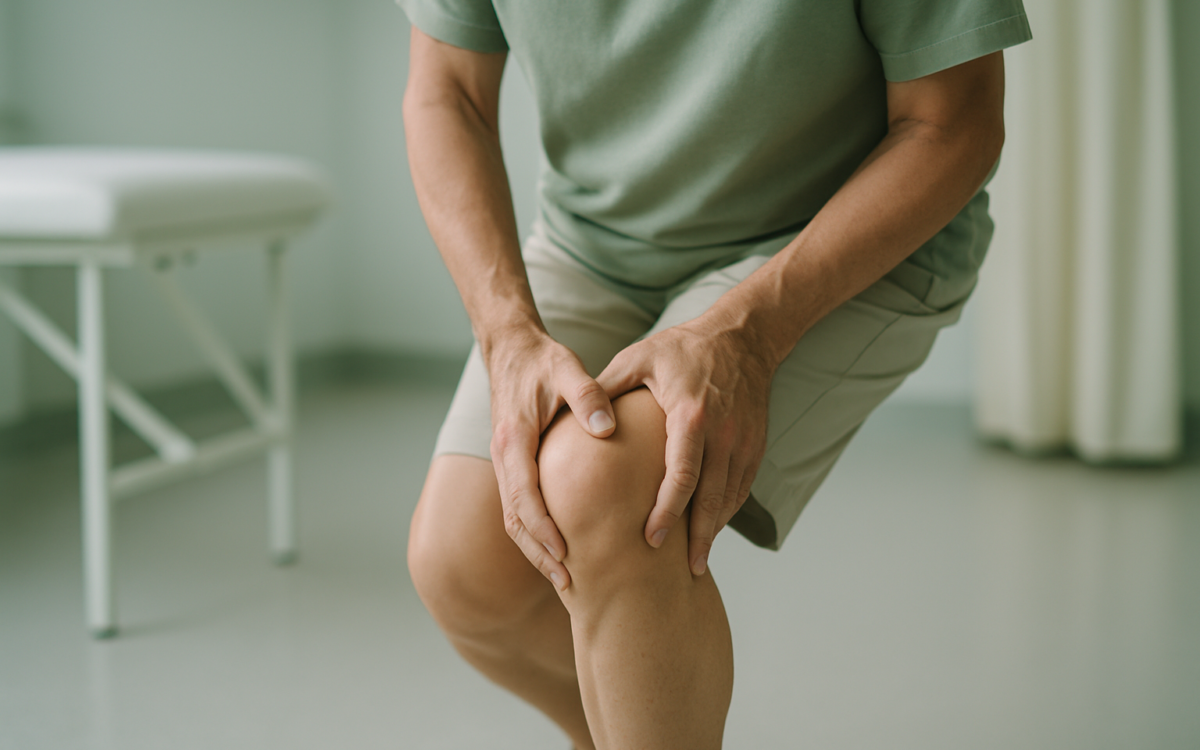
Knee buckling can be a surprising and unsettling experience. It’s that moment when your knee suddenly gives way, leaving you vulnerable to falls or injuries. Many people encounter this issue, but not everyone knows what causes it or how to address it. By gaining a clearer understanding of knee buckling and its implications, you can take proactive steps towards maintaining your knee health.
What is Knee Buckling?
Knee buckling is often described as a feeling of instability or weakness in the knee joint. This sensation can come on suddenly and may happen whether you’re standing still or in motion. In many cases, it’s not just inconvenient; it can lead to falls, which may result in further injuries.
Common Causes of Knee Buckling
Understanding why knee buckling happens is crucial for managing the problem effectively. Here are some of the most common causes:
- Injuries: Ligament tears, especially to the anterior cruciate ligament (ACL), are frequent culprits. Injuries can lead to immediate feelings of instability in the knee.
- Arthritis: Conditions like osteoarthritis or rheumatoid arthritis can degrade the cartilage in the knee, leading to pain and instability.
- Nerve Problems: Conditions that affect the nervous system (like multiple sclerosis) can undermine the signals that help stabilize the knee.
- Muscle Weakness: Weakness in the muscles surrounding the knee can mean less support for the joint, leading to the sensation of buckling.
- Joint Alignment Issues: Conditions like patellar instability can cause the kneecap to dislocate or move incorrectly, making the knee feel unstable.
Symptoms Associated with Knee Buckling
Aside from the obvious sensation of your knee giving way, several symptoms can accompany knee buckling:
- Pain: Discomfort may occur during movement or when pressure is applied to the knee.
- Swelling: The area around your knee may swell, potentially limiting mobility.
- Weakness: A feeling of weakness in the leg can sometimes accompany the buckling sensation.
- Locking or Popping: Some individuals report that their knee locks or produces a popping sound during movement.
Diagnosis of Knee Buckling
If you experience knee buckling regularly, it’s essential to discuss it with a healthcare professional. They may conduct various assessments to pinpoint the cause:
- Medical History: Your doctor may ask about prior injuries, symptoms, and activities to understand the context of your knee issues.
- Physical Examination: A physical exam will help assess the stability of the knee joint and the strength of the surrounding muscles.
- Imaging Tests: X-rays or MRIs may be ordered to visualize the knee’s internal structures to check for tears, fractures, or other damage.
Treatment Options for Knee Buckling
The likelihood of treatment success largely depends on the underlying cause of knee buckling. Here are some common interventions:
- Physical Therapy: A physical therapist can develop a tailored exercise program to strengthen the muscles around the knee and improve stability.
- Bracing: A knee brace can offer support and prevent further instability during activities.
- Medications: Nonsteroidal anti-inflammatory drugs (NSAIDs) can alleviate pain and reduce inflammation, making it easier to engage in physical therapy.
- Surgery: In severe cases, surgery may be required to repair torn ligaments or correct structural problems in the knee.
Preventing Knee Buckling
While some causes of knee buckling are unavoidable, there are ways to help prevent it:
- Regular Exercise: Activities that strengthen your leg muscles and improve balance can help stabilize your knee.
- Weight Management: Maintaining a healthy weight reduces stress on your knees, lowering the risk of injury and instability.
- Proper Footwear: Wearing shoes that provide good support can help maintain proper alignment and stability.
When to See a Doctor
If you experience frequent knee buckling, particularly if it’s accompanied by severe pain, swelling, or an inability to walk, it’s important to consult a healthcare provider. Early diagnosis and treatment can often lead to better outcomes and a return to your regular activities.
Conclusion
Knee buckling can be disconcerting, but understanding its causes and treatment options can empower you to take charge of your knee health. Remember to listen to your body and seek professional advice if you’re dealing with persistent issues. Being proactive is essential in maintaining mobility and preventing potential injuries down the line. For more information on knee health, consider resources from the National Institutes of Health and the Mayo Clinic.
