
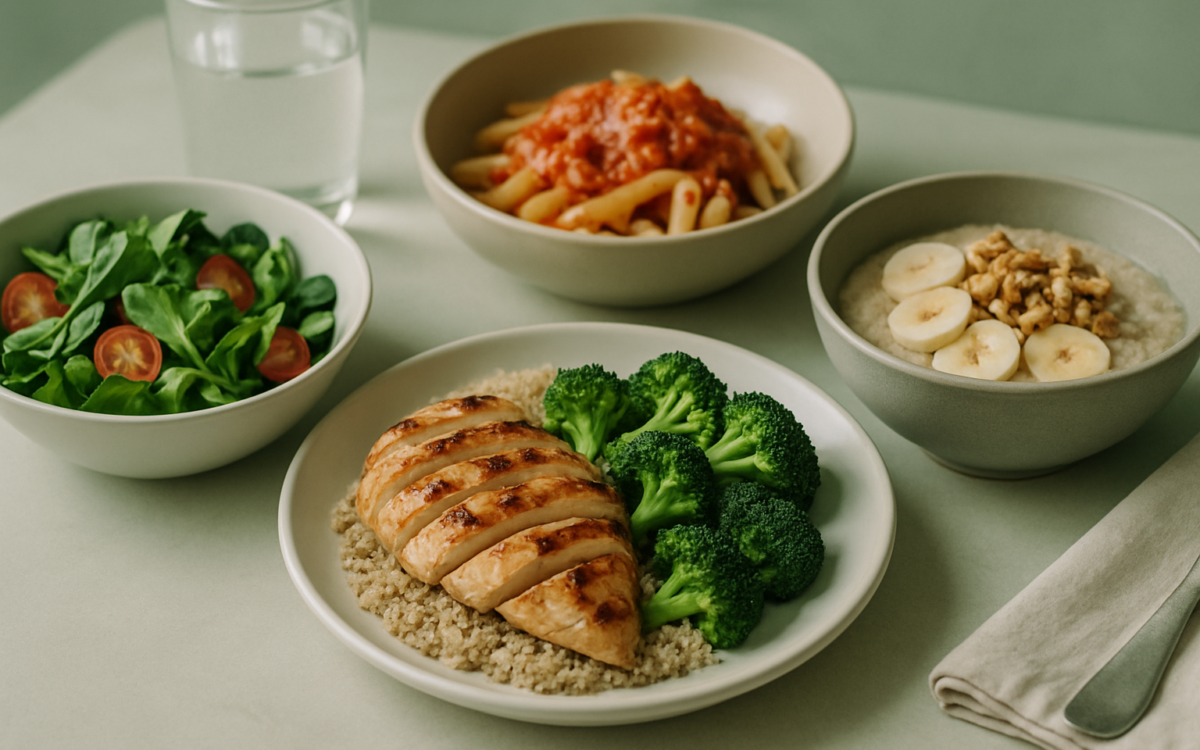
Crafting a meal plan can help streamline your eating habits, provide important nutrients, and support your overall health. When considering a 2000 calorie meal plan, the key is to create balanced meals that provide the right mix of macronutrients—carbohydrates, proteins, and fats—as well as essential vitamins and minerals. In this article, we’ll explore how to put together a 2000 calorie meal plan that works for you.
Understanding 2000 Calories
The 2000 calorie benchmark is often used as a reference for daily caloric intake for adults. However, individual needs can vary based on age, gender, activity level, and overall health. Not everyone will require exactly 2000 calories a day, but this figure serves as a helpful guide for meal planning.
Essential Components of a 2000 Calorie Meal Plan
A well-designed meal plan consists of a variety of foods that provide a balance of nutrients. Here are the major components to include:
- Fruits and Vegetables: Aim for at least 5 servings a day. These are packed with vitamins, minerals, and fiber.
- Whole Grains: Select whole grains over refined grains. Foods like brown rice, quinoa, and whole-wheat bread provide more nutrients.
- Protein: Include lean meats, poultry, fish, eggs, beans, and nuts. These foods are crucial for muscle repair and growth.
- Dairy: Opt for low-fat or fat-free dairy options. This will provide calcium and vitamin D for bone health.
- Healthy Fats: Incorporate sources of healthy fats like avocados, olive oil, nuts, and seeds.
Sample 2000 Calorie Meal Plan
To illustrate how a balanced 2000 calorie meal plan might look, here’s a sample day:
Breakfast (500 calories)
- 1 serving oatmeal topped with 1 banana and 1 tablespoon of almond butter
- 1 cup of low-fat milk or a dairy alternative
- 1 small glass of orange juice (100% juice with no added sugar)
Snack (200 calories)
- 1 small apple with 1 tablespoon of peanut butter
Lunch (600 calories)
- Grilled chicken salad with mixed greens, cherry tomatoes, cucumbers, and a vinaigrette dressing
- 1 whole grain roll
- 1 cup of low-fat yogurt
Snack (200 calories)
- 1 serving of raw veggies (carrots, bell peppers) with 2 tablespoons of hummus
Dinner (500 calories)
- 4 oz salmon baked with lemon and herbs
- 1 cup of steamed broccoli
- 1 cup of quinoa
Dessert (100 calories)
- 1 small square of dark chocolate
Tips for Meal Prep
Planning ahead can make sticking to your 2000 calorie meal plan easier. Here are some tips:
- Batch Cooking: Prepare larger portions during the weekend. Cook grains, proteins, and veggies in bulk to use throughout the week.
- Use Clear Containers: Store pre-portioned meals in clear containers to help you visualize what you have for the week.
- Plan Your Snacks: Keep healthy snacks on hand to prevent making poor choices when hunger strikes.
Adjusting Your Meal Plan
Your 2000 calorie meal plan can be adjusted based on your specific health goals, activity levels, and preferences. If you need to decrease or increase your caloric intake, consult reputable sources for guidance, or speak with a qualified healthcare provider. The National Heart, Lung, and Blood Institute offers resources for understanding how to modify calorie intake effectively.
When to See a Doctor
If you have specific dietary restrictions, health concerns, or are unsure about how to create a meal plan that meets your needs, it is important to consult a healthcare professional or a registered dietitian. They can provide tailored advice based on your unique lifestyle and health status.
Creating a 2000 calorie meal plan doesn’t have to be complicated. By focusing on variety, balance, and mindful eating, you can set yourself up for healthier choices that are enjoyable and sustainable.
