
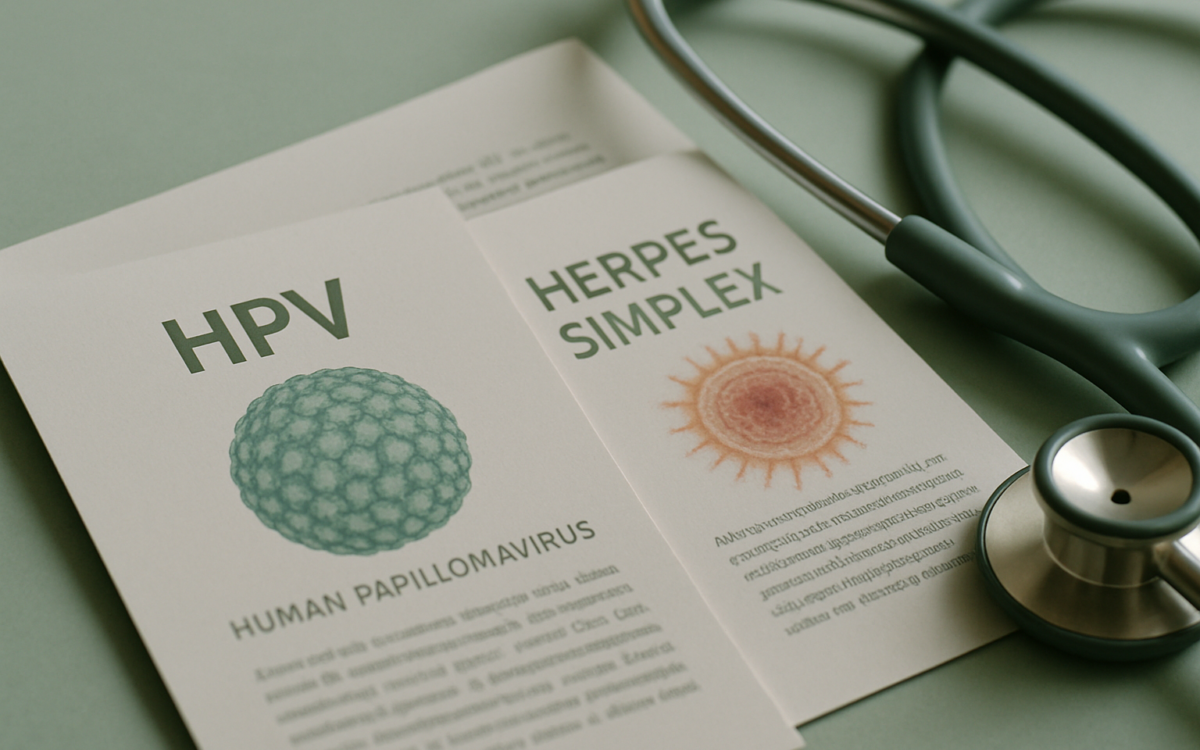
In today’s health landscape, many people encounter terms like HPV and herpes simplex through discussions, media, or personal health experiences. While both are sexually transmitted infections (STIs), they stem from different viruses and can lead to distinct health concerns. Understanding the differences between HPV and herpes simplex is crucial for making informed health decisions.
What is HPV?
Human Papillomavirus, commonly known as HPV, is a group of more than 200 related viruses. Some types can cause health issues like genital warts, while others can lead to cancers, including cervical cancer, oropharyngeal cancer, and anal cancer. HPV is incredibly common, with most sexually active individuals getting it at some point in their lives.
According to the Centers for Disease Control and Prevention (CDC), most HPV infections are harmless, and many clear up on their own without causing any health problems.
What is Herpes Simplex?
Herpes Simplex Virus (HSV) has two main types: HSV-1 and HSV-2. HSV-1 typically causes oral herpes, leading to cold sores, while HSV-2 is primarily associated with genital herpes. Both infections can be transmitted through skin-to-skin contact even when symptoms are not present. According to the World Health Organization (WHO), around 67% of the population under 50 worldwide has HSV-1, and about 11% has HSV-2.
Common Symptoms
Understanding the symptoms of both HPV and herpes simplex can help in recognizing these infections:
- HPV: Many people with HPV do not experience symptoms. When symptoms do occur, they may include:
• Genital warts (small bumps near the genitals or in the anal region)
• Unusual changes in cervical cells detected through screening (Pap tests) - Herpes Simplex: Symptoms can vary but generally include:
• Painful blisters or sores in the genital area or around the mouth
• Itching or burning sensation before the blisters appear
• Fever and swollen glands during the initial outbreak
Transmission: How Do They Spread?
Both HPV and herpes simplex viruses are transmitted through sexual contact, but the ways they spread can differ significantly:
- HPV: HPV is usually spread through vaginal, anal, or oral sex with someone who has the virus, even if they do not have visible symptoms. The virus can infect the skin and mucous membranes and can be present for years without producing any signs.
- Herpes Simplex: HSV also spreads through direct contact with infected skin or bodily fluids. It can be transmitted even when an infected person does not have visible sores. Oral herpes can be spread through kissing, while genital herpes generally spreads through sexual intercourse.
Diagnosis and Testing
Getting tested for these infections is important, especially if you are sexually active. Here’s how both infections are usually diagnosed:
- HPV: There are no routine tests for HPV in men. Women can be screened through Pap tests and HPV tests during their routine gynecological exams. If abnormalities are found, additional testing may be necessary.
- Herpes Simplex: Diagnosis typically involves a physical examination of sores. If the diagnosis is uncertain, a swab of the sore or a blood test can confirm the presence of the virus.
Prevention Strategies
While both HPV and herpes simplex can be serious, there are effective preventive measures for each:
- HPV: The HPV vaccine is a safe and effective way to prevent certain types of HPV that can lead to cancer and genital warts. It’s recommended for preteens and young adults. Regular screenings (Pap tests) and practicing safe sex can also help reduce the risk.
- Herpes Simplex: To lower the risk of contracting genital herpes, using condoms can provide protection, though they do not eliminate the risk entirely. Avoiding sexual contact during an outbreak is also crucial.
Managing HPV and Herpes Simplex
While there is no cure for HPV or herpes simplex, both conditions can be managed:
- HPV: For many, HPV may clear up without intervention. However, if warts or abnormal cervical cells are identified, treatments are available. Regular monitoring by a healthcare provider is important.
- Herpes Simplex: Antiviral medications can help manage outbreaks, decrease symptoms, and lower the risk of transmission to partners.
When to See a Doctor
If you think you might have symptoms of HPV or herpes simplex, or if you’ve been diagnosed and have concerns, it’s important to consult a healthcare provider. Addressing any unusual symptoms or having a conversation about screening and prevention can help you maintain your health.
Conclusion
In summary, while HPV and herpes simplex are both common sexually transmitted infections, they stem from different viruses and can lead to varying health outcomes. Educating yourself about these conditions is the first step in managing your health and ensuring informed decisions about prevention, testing, and treatment.
