
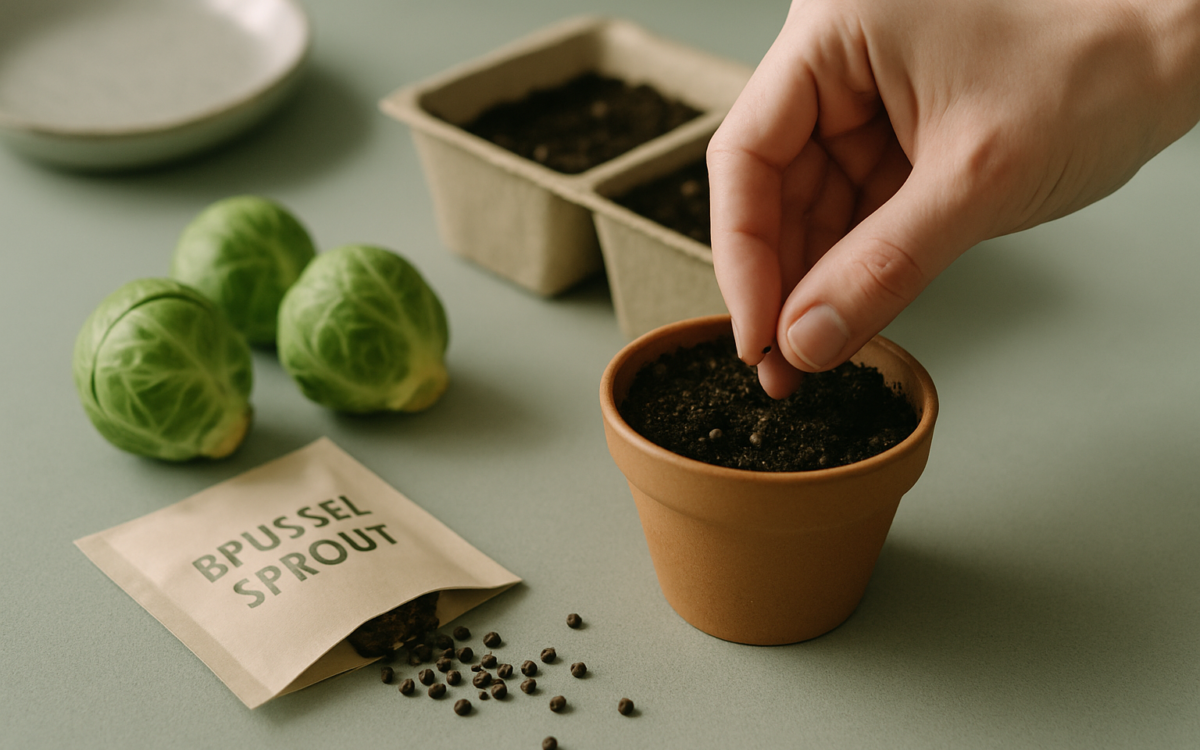
If you’re looking to add a nutritious, delicious vegetable to your garden, Brussels sprouts may be just the ticket. These little green gems are not only flavorful, but they are also packed with nutrients. By starting from seeds, you can enjoy the satisfaction of growing your own food while obtaining maximum flavor and health benefits. In this article, we will explore everything you need to know about growing Brussels sprout seeds, from planting to harvesting.
Understanding Brussels Sprouts
Brussels sprouts, scientifically known as Brassica oleracea, belong to the same family as cabbage and kale. These small, round vegetables grow along a tall stalk and develop a unique flavor profile when exposed to frost. They are rich in vitamins C and K, fiber, and contain antioxidants that may contribute to overall health.
Choosing the Right Seeds
When selecting Brussels sprout seeds, consider your climate and the growing season in your region. There are several varieties available, each with its unique characteristics:
- Long Island Improved: This is a popular variety known for its sweet flavor and adaptability to various climates.
- Jade Cross: Ideal for warmer climates, it matures quickly and produces compact sprouts.
- Catwalk: A hybrid variety that is resistant to diseases and has a longer harvest window.
Choosing the right seed will enhance your chances of a fruitful yield. Often, local garden centers can provide guidance based on regional conditions.
Germinating Brussels Sprout Seeds
Once you have selected your seeds, the next step is to germinate them properly. Here’s how you can do it:
- Timing: Start your seeds indoors about 6-8 weeks before the last expected frost date in your area.
- Soil: Use a lightweight seed-starting mix that drains well. Peat pots can be a great option.
- Watering: Keep the soil moist but not soggy. Use a spray bottle for gentle moisture.
- Light: Provide plenty of light. If natural sunlight is scarce, consider using grow lights.
Germination usually takes 7-14 days, at which point you’ll notice tiny green shoots peeking through.
Transplanting Seedlings
After your seedlings have grown sturdy and about 2-4 inches tall, it’s time to transplant them outdoors. Follow these guidelines for successful transplantation:
- Hardening Off: About a week before moving them outside, gradually acclimate your seedlings by placing them outdoors for increasing amounts of time each day.
- Location: Choose a sunny location with well-drained soil for your Brussel sprouts. They thrive in cooler temperatures, ideally between 60°F and 70°F.
- Spacing: Space the seedlings 18-24 inches apart. This allows room for growth and proper air circulation.
Be sure to plant your seedlings after the last frost date in your area to give them the best chance for success.
Care and Maintenance
Once your Brussels sprout plants are established, they require ongoing care to ensure a healthy harvest. Here are some key aspects to consider:
- Watering: Brussels sprouts need consistent moisture. Water them regularly, ideally at the root zone, to avoid leaf rot.
- Fertilizing: Use a balanced fertilizer every few weeks. High nitrogen content is beneficial during the early growth phases.
- Weeding: Keep the area around your plants weed-free to reduce competition for nutrients.
- Pest Control: Watch for common pests like aphids and cabbage worms. Consider using organic insecticides or manual removal.
By taking care of your Brussels sprouts, you can help maximize both quantity and quality in your harvest.
Harvesting Brussels Sprouts
Brussels sprouts can be harvested when they reach about 1 inch in diameter and are firm to the touch. Follow these tips for a successful harvest:
- Timing: The best time to harvest sprouts is after the first frost, as the cold can enhance their sweetness.
- Method: To harvest, twist each sprout from the stalk. Start from the bottom and work your way up, as the lower sprouts mature first.
- Storage: Freshly harvested Brussels sprouts can be kept in the refrigerator for up to a week. For longer storage, consider blanching and freezing them.
Your hard work will pay off with a nutritious bounty of Brussels sprouts that you can enjoy for weeks!
Health Benefits of Brussels Sprouts
Brussels sprouts are not only delicious; they also offer numerous health benefits. Here’s what makes them a great addition to your diet:
- Rich in Vitamins: They are an excellent source of vitamins C and K, crucial for immune health and blood clotting, respectively.
- High in Fiber: Fiber promotes digestive health and can aid in weight management.
- Antioxidants: Brussels sprouts contain antioxidants that help combat oxidative stress, reducing the risk of chronic diseases like heart disease and cancer.
Incorporating Brussels sprouts into your meals can support overall health and well-being. To give your diet a boost, try steaming, roasting, or even stir-frying these nutritious vegetables.
When to See a Doctor
If you experience any persistent digestive issues, such as bloating or gas, after consuming Brussels sprouts, it may be a good idea to consult your healthcare provider. Everyone’s digestive system is different, and they can provide personalized advice. Additionally, if you have any allergies or intolerances, make sure to discuss these with your doctor.
In conclusion, growing Brussels sprout seeds is a rewarding endeavor that can lead to a nutritious addition to your meals. By following the right steps, from seed selection to harvest, you can enjoy delicious Brussels sprouts right from your own garden. Happy gardening!
