
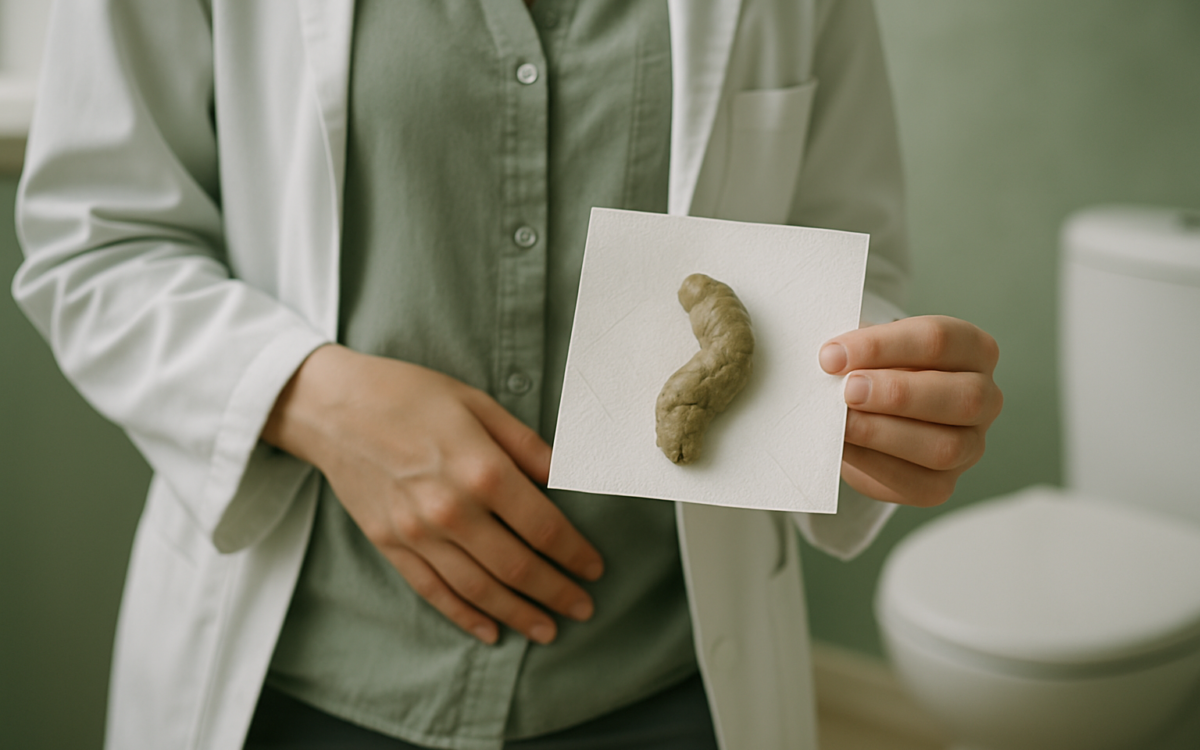
When you look in the toilet after a bowel movement, the color of your stool can tell you a lot about your health. While shades of brown are typical, encountering clay colored poop can be concerning. This unusual color, resembling light, neutral tones, might indicate underlying changes in your health—especially involving your liver and bile production. Understanding this color change is vital for maintaining your overall well-being.
What Does Clay Colored Poop Indicate?
Clay colored poop typically suggests a lack of bile in your stool. Bile is a digestive fluid produced by the liver, important for breaking down fats and giving stool its brown color. When bile isn’t present, your stool can appear light or grayish. This condition can occur due to various reasons, most of which involve the liver, bile ducts, or problems with digestion.
Possible Causes of Clay Colored Stool
There are several potential causes for clay colored stool. Understanding these can help you spot any health issues that might require attention:
- Liver Disease: Conditions like hepatitis or cirrhosis can affect bile production, reducing the amount that reaches your intestines.
- Bile Duct Obstruction: Stones or tumors may block bile from entering the intestines. This can limit the amount of bile that mixes with your digestive system.
- Medications: Certain medications, especially those affecting liver function or bile production, can change the color of stool.
- Genetic Conditions: Disorders such as biliary atresia, primarily affecting newborns, can interfere with normal bile production and lead to lighter colored stools.
Each of these causes highlights the importance of bile in digestion and stool color. Understanding these conditions can be the first step toward recognizing when to seek medical help.
When Is Clay Colored Poop Not a Concern?
While clay colored poop can be significant, it’s essential to note that not all cases imply a severe underlying health issue. Here are a few situations where it might not be a cause for alarm:
- A brief episode after starting a new medication that may cause temporary stool color changes.
- A single occurrence following a rich dietary change, particularly if low in fats.
- Situations where other symptoms (like abdominal pain) are absent.
However, even in these scenarios, exercising caution and monitoring your health is wise. If the change persists, further evaluation is warranted.
Impact of Clay Colored Poop on Digestive Health
Your stool color is like a window into your digestive health. Clay colored poop can signal that your liver or biliary system isn’t functioning optimally. The liver plays a crucial role in producing bile, which facilitates fat digestion and nutrient absorption, among other functions. Any disruption in this process can lead to complications that may affect your overall health.
For instance, untreated liver disease can progress to more severe conditions, including liver failure. Likewise, bile duct obstructions can lead to infections, jaundice, and other complications. Regular check-ups and prompts to discuss symptoms like changes in bowel movements are essential to maintaining gut and liver health.
How to Monitor Your Stool Color
Keeping an eye on your stool’s color and consistency can provide valuable insights into your health. Here are some tips to help you monitor:
- Consistency Matters: Look not just at color but also at consistency. Hard or overly loose stools can indicate digestive issues.
- Frequency: Track how often you go. A sudden change in your usual schedule can be significant.
- Dietary Influences: Note any dietary changes. Foods or supplements, like beets or iron supplements, can temporarily alter stool color.
Recording these observations can provide helpful details to share with your healthcare provider if needed.
When to See a Doctor
If you notice clay colored poop occurring more than occasionally, it might be time to consult a healthcare professional. Other accompanying symptoms that may warrant a doctor’s visit include:
- Persistent abdominal pain or discomfort
- Unexplained weight loss
- Dark urine
- Jaundice (yellowing of the skin or eyes)
- Fever
Discussing these symptoms can help your doctor determine whether additional tests or attention to your liver health are necessary. A healthcare provider might recommend imaging studies, blood tests, or other evaluations to pinpoint the underlying cause.
Conclusion
Clay colored poop can serve as an important indicator of your digestive health, reflecting potential liver or bile production issues. While occasional changes may not be alarming, persistent occurrences, especially alongside other symptoms, should prompt a visit to your healthcare provider. Paying attention to your body and stool color is a vital part of maintaining your health, as early detection can lead to better outcomes. For further information on gastrointestinal health, consider visiting reputable sources like NIH or CDC to understand how your diet, lifestyle, and health conditions may play a role in your digestive system.
