
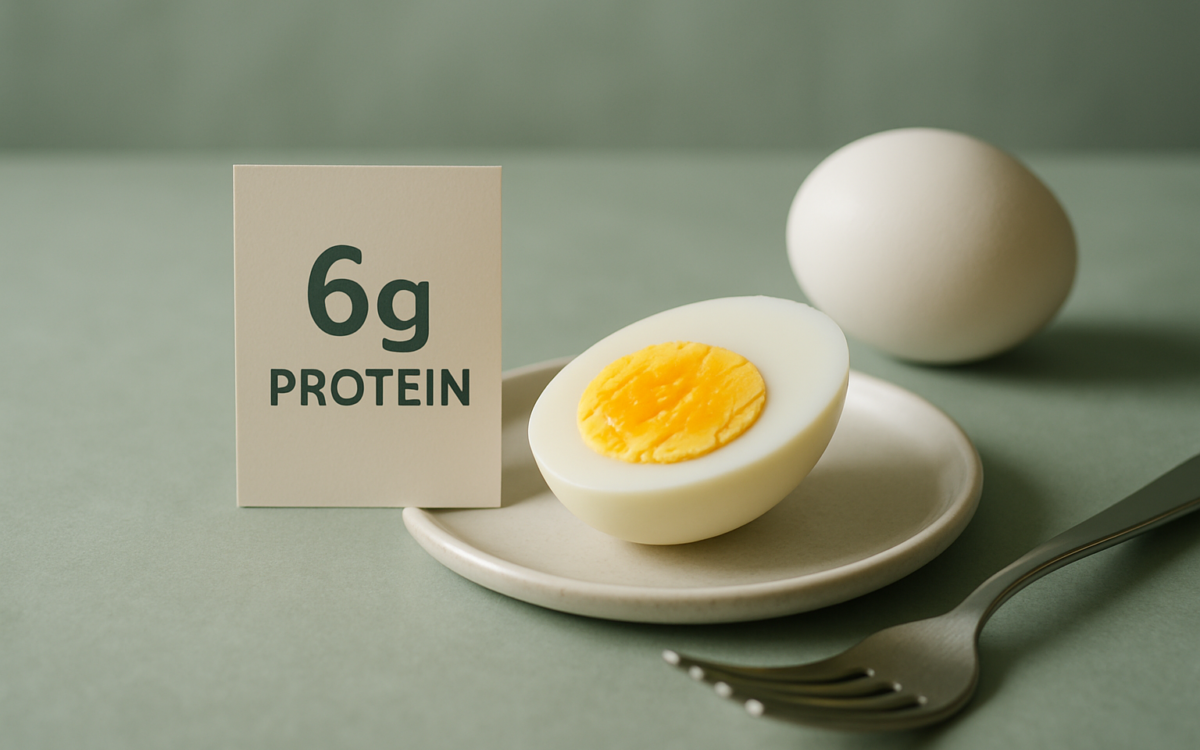
Hard boiled eggs have long been celebrated for their nutritional benefits. Whether you’re a fitness enthusiast looking to boost your protein intake or someone striving for a balanced diet, these simple yet wholesome eggs can pack a powerful punch when it comes to nutrition. But just how much protein is in a hard boiled egg, and what else can you expect from this dietary staple? Let’s break down the facts.
Protein content in hard boiled eggs
A large hard boiled egg typically contains around 6-7 grams of protein. Protein is essential for building and repairing tissues in your body, making it a key component of a healthy diet. Hard boiled eggs not only provide protein but also contain other important nutrients that can support overall health.
Understanding protein quality
The protein found in eggs is often referred to as complete protein. This means it contains all nine essential amino acids that your body cannot produce on its own. The amino acids are the building blocks of protein, and a balanced intake is crucial for maintaining muscle mass, optimal metabolism, and overall well-being. Hard boiled eggs rank high on the protein quality scale, making them a fantastic addition to various diets.
Health benefits of hard boiled eggs
In addition to their protein content, hard boiled eggs offer several health benefits:
- Weight management: Because of their high protein content, hard boiled eggs can help you feel fuller for longer, potentially aiding in weight management.
- Eye health: Eggs are a great source of lutein and zeaxanthin, antioxidants that are linked to improved eye health.
- Heart health: Contrary to past beliefs about cholesterol, recent research suggests that eating eggs in moderation may not significantly impact heart disease risk for most individuals.
- Nutrient-rich: Hard boiled eggs contain essential nutrients like vitamins B12, D, and A, along with minerals such as selenium and phosphorus. These nutrients play vital roles in energy production, immune function, and bone health.
How to incorporate hard boiled eggs into your diet
Adding hard boiled eggs to your diet is easy and versatile. Here are some creative ways to enjoy them:
- Slice them onto salads for an extra protein boost.
- Enjoy them as a snack, seasoned with a sprinkle of salt and pepper.
- Mash them with avocado for a creamy spread on toast.
- Add diced eggs to soups or stir-fries for added richness.
If you’re seeking guidance on incorporating international cuisines into your diet that feature eggs, you might consider exploring international patient services that can provide insights on diverse and healthy meal options.
Storage and handling tips
To maximize the shelf life of hard boiled eggs:
- Store them in the refrigerator if you’re not planning to eat them right away.
- Keep the shells on until you’re ready to consume them; this helps maintain freshness.
- Hard boiled eggs can last for up to one week in the fridge, making them a convenient and healthy snack option.
When to see a doctor
If you’ve had an allergic reaction to eggs or experience any unusual symptoms after consuming them, it’s important to consult your doctor. Additionally, if you have concerns about your protein intake or diet, a healthcare professional can help create a personalized plan that meets your nutritional needs.
In summary, hard boiled eggs are a nutritious source of protein and many other essential nutrients. Easily adaptable in recipes and meals, they are suitable for a variety of dietary preferences. Whether looking to enhance your meal with added protein or simply enjoy a wholesome snack, hard boiled eggs are a delightful addition to your menu.
