
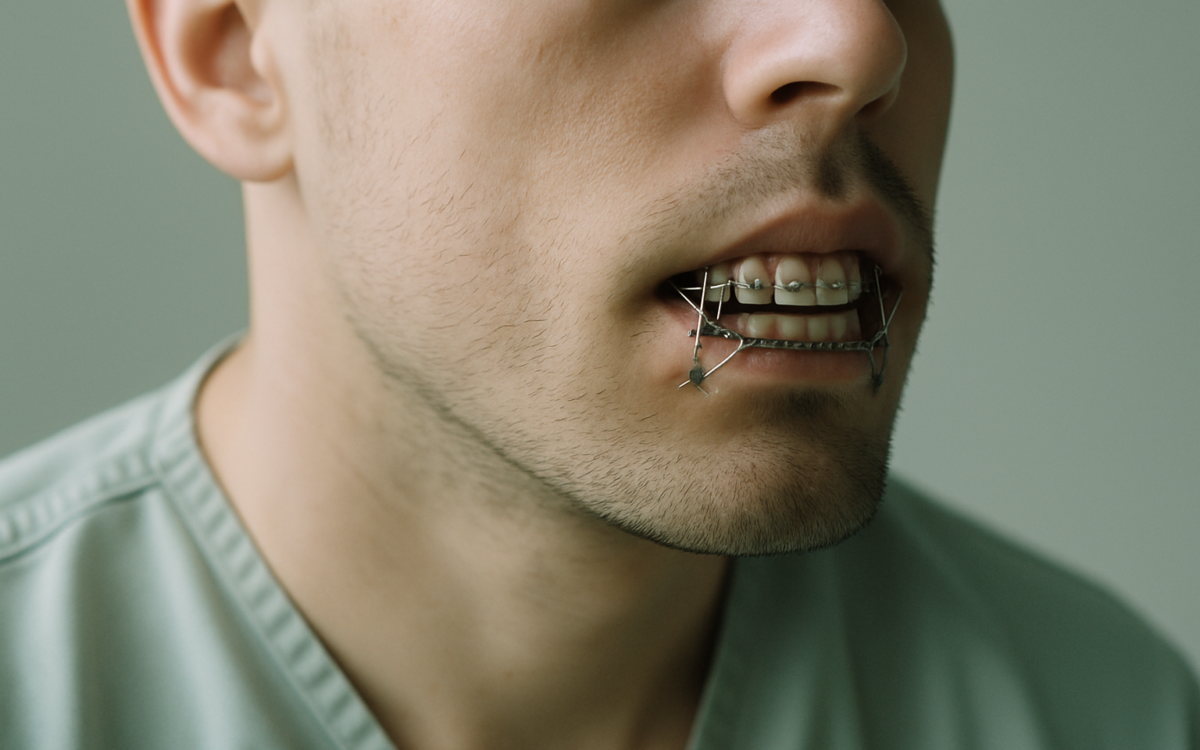
Having your jaw wired shut can feel isolating and overwhelming. Whether due to an injury, surgery, or a serious dental procedure, this experience can significantly impact your day-to-day life. It’s essential to understand the reason behind this procedure, how to manage daily activities, and when to seek help.
What Does It Mean to Have Your Jaw Wired Shut?
When a dentist or surgeon wires your jaw shut, it’s typically to stabilize the jaw and allow healing after surgery or trauma. This procedure is common after fractures or reconstructive surgeries, particularly related to the maxillofacial region. The wires are usually intended to keep the jaw in a fixed position for a set period, normally ranging from a few weeks to a couple of months.
The process is often used for patients who have experienced trauma from accidents or illnesses. Reconstructive surgery for correcting misaligned jaws or severe dental issues might also necessitate this approach. Whatever the reason, being glued to a liquid diet and grappling with limited movement can be challenging.
Nutrition: Eating Well When Your Jaw Is Wired Shut
With your jaw wired shut, biting and chewing become impossible. This restriction means it’s crucial to focus on nutrition to maintain your overall health. Nutrient-rich, easy-to-consume options can help you navigate this phase.
- Pureed Foods: Smoothies, applesauce, and mashed potatoes are great bases. Consider adding spinach or protein powder for added nutrition.
- Soups and Broths: These can be nutritious and hydrating. Blend soups into a smooth consistency for easier consumption.
- Protein Sources: Yogurt, pudding, and protein shakes can ensure you get enough dietary protein during recovery.
It’s important to stay hydrated with water or other liquids. Avoid sugary drinks or caffeine as they might not provide the nutrients your body needs during recovery. If you’re unsure about what to eat, consulting with a nutritionist can be helpful.
How to Manage Discomfort and Pain
Jaw pain or discomfort is common after surgery or trauma that requires wiring. Here are some methods to manage it:
- Pain Medication: Your doctor may prescribe pain relievers to help manage discomfort.
- Cold Compress: Applying ice packs can reduce swelling and numb pain around the jaw area.
- Rest: Ensuring you get enough sleep is crucial for healing.
Although dealing with pain is difficult, it’s essential to follow your doctor’s instructions regarding medications and pain management techniques. If the pain becomes unmanageable, make sure to reach out to your healthcare provider.
Communicating Effectively
Having your jaw wired shut complicates verbal communication. However, there are strategies to help you express yourself clearly:
- Write It Down: Keep a notebook handy for jotting down thoughts or questions. This can be especially useful for medical appointments.
- Gestures: Use hand signs or physical movement to communicate needs when necessary.
- Technology: Consider communication apps on your mobile device, which allow you to type messages.
Keeping lines of communication open with your loved ones is vital. You may feel frustrated, but effective communication can ease some of that stress.
Adjusting to Daily Life
Adjusting to life with a wired jaw means reorganizing your daily routine. Here are some tips:
- Personal Hygiene: Mouth care is essential. Use an antibacterial mouthwash to keep your mouth clean and fresh.
- Clothing Management: Consider wearing loose clothing or using accessories that are easy to manage when faced with possible restrictions in movement.
- Transportation: Plan your travel, especially if you need to visit your healthcare providers often.
Incorporating these adjustments can help you maintain a sense of normalcy while adapting to your temporary limitations.
When to See a Doctor
While you might expect some discomfort after having your jaw wired shut, certain symptoms require immediate medical attention. Watch for:
- Excessive pain that isn’t relieved by prescribed medications
- Signs of infection, such as fever or swelling around the jaw
- Difficulty breathing or swallowing
- Wires that feel loose or cause discomfort
If you experience any of these symptoms, consulting your healthcare provider is essential.
Conclusion
Having a wired jaw can present challenges that require patience and adaptability. Focusing on nutrition, managing discomfort, and communicating your needs are crucial steps toward recovery. With support from healthcare providers and loved ones, you’ll navigate this period successfully and gradually return to a more comfortable routine.
Remember, this experience is temporary, and maintaining communication with your medical team will help you manage your healing journey effectively.
