
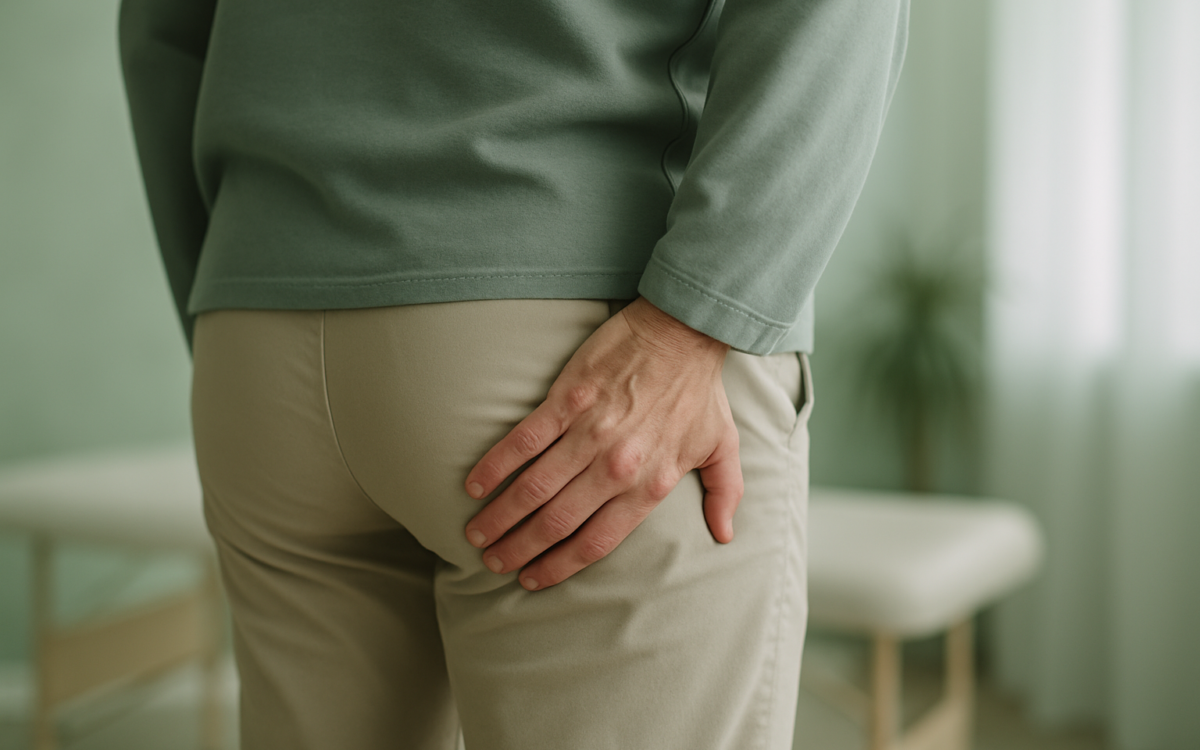
Feeling discomfort in the buttocks is a common issue, yet it often goes unmentioned in casual conversations. This discomfort can result from a variety of factors, each with its own possible treatment. Understanding what might be causing this discomfort can help in finding effective remedies and ensuring your overall well-being.
Common Causes of Buttock Discomfort
Buttock discomfort can arise from a variety of idiopathic and clearly identifiable reasons. Here are some common culprits:
- Muscle Strain: Overexertion during exercise or everyday activities can lead to muscle strain in the buttocks, causing pain and stiffness.
- Sciatica: This neuropathic pain occurs when the sciatic nerve gets compressed. Patients often report sharp pain that radiates from the lower back down to the buttocks and legs. According to the NIH, sciatica can stem from herniated discs or spinal stenosis.
- Piriformis Syndrome: The piriformis muscle is located deep in the buttock. If it becomes tight or inflamed, it can irritate the sciatic nerve, causing pain in the buttocks and legs.
- Injury: Trauma from falls or accidents can lead to bruising or fractures in the hip or buttock areas, causing significant discomfort.
- Piriformis Syndrome: This condition occurs when the piriformis muscle compresses the nearby sciatic nerve, resulting in pain that can mimic sciatica. Stretching and physical therapy helps alleviate symptoms in many cases.
- Infections: In rare cases, infections in the pelvic area or abscesses can lead to discomfort. If accompanied by fever or severe pain, these issues should not be ignored.
Symptoms Accompanying Buttock Discomfort
Often, discomfort in the buttocks can present with additional symptoms that help in discerning the underlying cause:
- Radiating Pain: Pain may radiate down the leg, often associated with sciatica or nerve-related issues.
- Stiffness: Muscle strains might lead to stiffness, complicating the ability to move freely.
- Tenderness: Areas around the hip or buttocks can be sensitive to touch, indicating inflammation.
- Numbness or Tingling: This sensation, particularly in the legs, can suggest nerve irritation.
Management and Treatment Options
Depending on the cause, various treatment options are available to alleviate discomfort:
Rest and Ice
If you suspect a muscle strain, resting the affected area and applying ice can help reduce swelling and pain. Limit activities that could exacerbate the problem.
Stretching and Strengthening Exercises
Gentle stretching can help relieve tight muscles. For conditions like piriformis syndrome, specific stretches recommended by physical therapists may provide relief and enhance mobility.
Physical Therapy
Working with physical therapy professionals can be beneficial, especially for chronic conditions like sciatica and piriformis syndrome. They can create customized exercise programs to help strengthen muscles and improve flexibility.
Medications
Over-the-counter pain relievers, such as ibuprofen or acetaminophen, may provide temporary relief from pain and inflammation.
Alternative Therapies
Techniques like acupuncture, yoga, or chiropractic adjustments have been known to help some individuals manage buttock discomfort. These methods focus on natural healing, improving flexibility, and relieving muscle tension.
Preventive Measures
Adopting certain lifestyle changes can significantly reduce the risk of developing discomfort in the buttocks:
- Maintain Good Posture: Sitting with proper posture helps in reducing undue stress on the buttocks and lower back.
- Stay Active: Regular exercise not only helps maintain muscle strength but also improves flexibility, reducing the chances of strains.
- Warm Up and Cool Down: Always warm up before intense physical activity and cool down afterward. This practice can help prevent injuries.
- Limit Prolonged Sitting: If your job involves sitting for long periods, take regular breaks to stand and stretch.
- Healthy Weight: Maintaining a healthy weight reduces pressure on the lower back and buttock region.
When to See a Doctor
While discomfort in the buttocks often resolves with home care, there are times when medical attention is necessary. Seek medical help if you experience:
- Severe pain that doesn’t improve with rest.
- Numbness or weakness in your legs.
- Persistent discomfort that affects daily activities.
- Symptoms of infection, such as fever or swelling.
Conclusion
Discomfort in the buttocks can be bothersome, but understanding its potential causes and management options can empower you to address the issue effectively. With simple lifestyle adjustments, proper care, and awareness of when to seek medical advice, you can maintain your pelvic health and overall comfort. If symptoms persist or worsen, consulting a healthcare professional is the best course of action to ensure proper diagnosis and treatment.
