
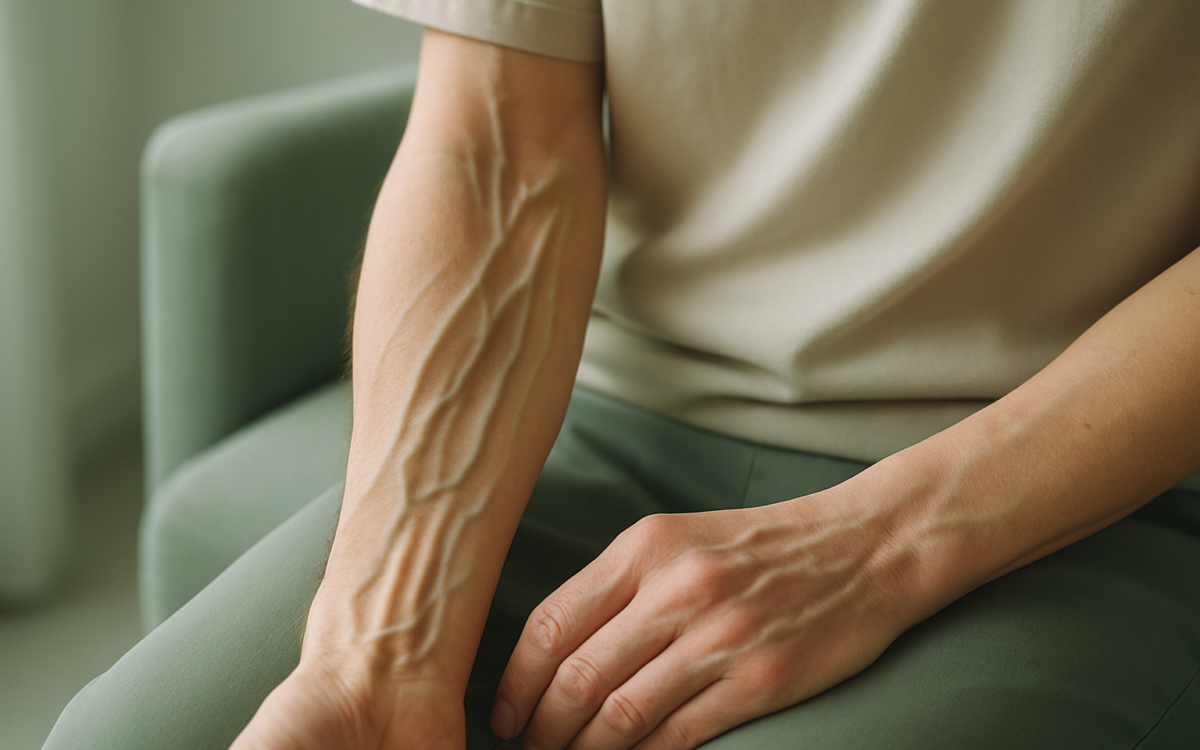
Have you ever noticed how some people’s veins seem to pop out more than others? It can be a common concern, leading many to wonder why their veins are so visible. While it’s often harmless, understanding the reasons behind those prominent veins can provide peace of mind and a greater awareness of your health.
1. Anatomy of the Veins
To understand why some veins are more visible than others, it helps to know a bit about the anatomy of our veins. Veins are blood vessels that carry deoxygenated blood back to the heart. They are thinner and less muscular than arteries, making them more flexible. Their structure is crucial, but it also means that many factors can affect how noticeable they are.
2. Body Composition and Skin Type
One of the main reasons your veins might be visible is your body composition. People with lower body fat percentages often have more prominent veins because the less fat there is between the skin and the veins, the easier it is to see them. Additionally, if you have thinner skin or a paler complexion, your veins may stand out more. Skin types vary greatly, and some people naturally have skin that allows veins to be easily seen.
3. Physical Activity and Muscle Mass
Exercise plays a significant role in vein visibility. During physical activity, your heart rate increases, and your blood vessels expand, which can make veins appear more prominent, especially in the arms and legs. This temporary condition, often referred to as “vascularity,” is common among athletes and fitness enthusiasts. Over time, regular exercise and strength training can lead to increased muscle mass and lower body fat, further enhancing vein visibility.
4. Ageing and Hormonal Changes
As we age, our skin loses collagen and elasticity, which can make veins more prominent. This is a natural part of ageing that many people experience. Furthermore, hormonal changes, especially in women during pregnancy or menopause, can increase blood flow and affect vein visibility. These changes can lead to greater prominence of veins in various parts of the body.
5. Health Conditions Impacting Vein Appearance
While visible veins are often harmless, they can sometimes be a sign of underlying health conditions. For instance, conditions like chronic venous insufficiency, where blood flow back to the heart is impaired, can cause veins to enlarge and become more noticeable. Other factors, such as diabetes, obesity, or blood clots, can also affect vein visibility. It’s essential to keep an eye on any changes, especially if accompanied by pain, swelling, or skin discoloration.
6. When to See a Doctor
Even though visible veins are often normal, certain signs may indicate it’s time to consult a healthcare professional. You should consider seeing a doctor if you notice:
- Persistent swelling in the legs or feet
- Changes in color or texture of the skin over the veins
- Pain, tenderness, or warmth near the visible veins
- Veins that appear swollen and twisted
These symptoms could signal more serious issues that deserve further evaluation.
Conclusion
In summary, visible veins can be a reflection of various factors, including body composition, physical activity, ageing, and even certain health conditions. While they are often completely normal, staying mindful of any changes in your body is essential. If you have concerns about your vein visibility or experience additional symptoms, don’t hesitate to consult your doctor for further insight and guidance.
For more information on vein health and related topics, consider exploring resources from reputable sources such as the National Institutes of Health or the Centers for Disease Control and Prevention.
