
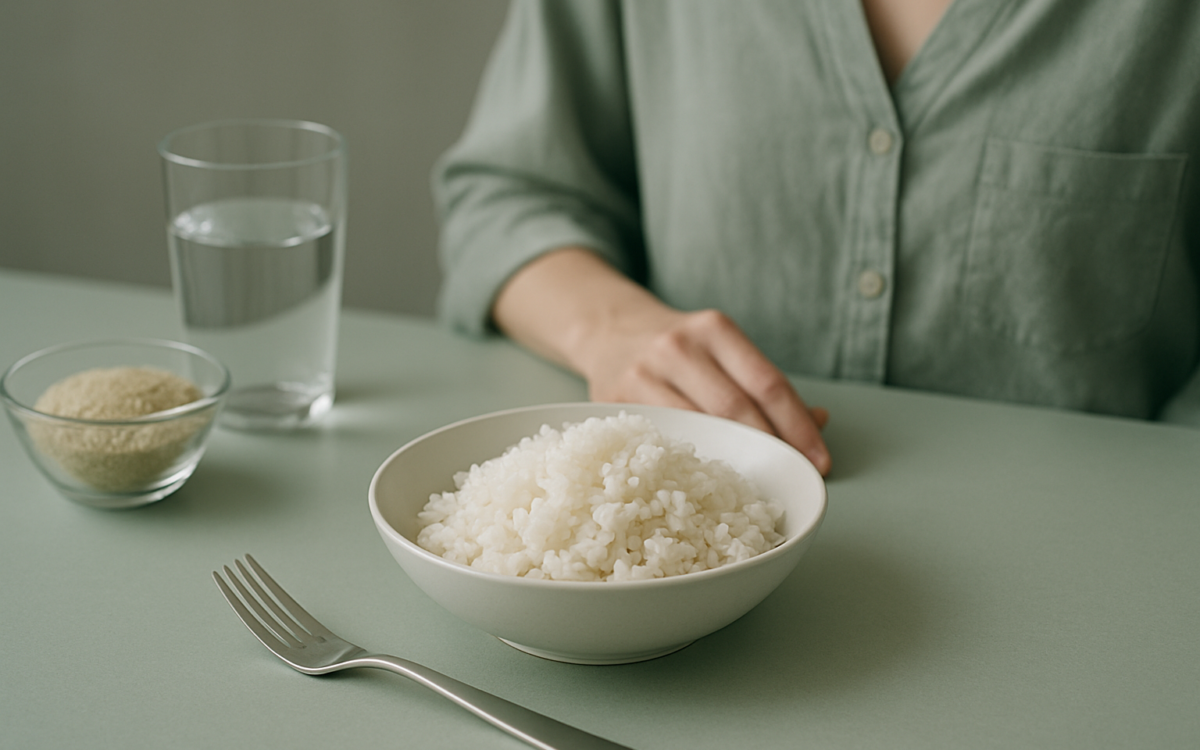
Rice is a staple food around the world, celebrated for its versatility and taste. However, many people are curious about the carbohydrates it contains and how those carbs affect health. Understanding rice carbs involves looking at their types, benefits, and potential drawbacks. This guide will break down what you need to know.
What Are Carbohydrates?
Carbohydrates are one of the main macronutrients the body uses for energy. There are two primary types of carbohydrates:
- Sugars: Quick energy sources that can be simple, like glucose, or complex, like those found in fruits.
- Starches: Complex carbohydrates that take longer to break down, providing a steadier energy source. Rice is primarily made up of starch.
A Closer Look at Rice Carbs
The carbohydrate content in rice varies based on the type. For example:
- White rice: Contains about 28 grams of carbohydrates per cooked 1/4 cup, with a high glycemic index.
- Brown rice: Offers around 23 grams of carbohydrates and has more fiber, resulting in a lower glycemic index.
- Wild rice: Though technically a grass, it provides about 30 grams of carbohydrates, with a higher protein content compared to other rice types.
These differences affect how your body processes each type of rice. For more information on carbohydrate types, you can visit the NIH.
The Glycemic Index of Rice
The glycemic index (GI) measures how quickly a food raises blood glucose levels. Foods with a high GI can lead to spikes in blood sugar, which might not be ideal for people managing diabetes or those looking to maintain stable energy levels.
White rice typically has a higher GI, while brown rice has a lower GI, which means it releases glucose more slowly into the bloodstream. This slow release can be beneficial for sustained energy and overall health.
The Nutritional Benefits of Rice
Rice is more than just a source of carbohydrates. It also provides several nutritional benefits depending on the type you choose:
- Energy Source: Carbs in rice serve as a fast energy source, which is particularly essential for athletes or active individuals.
- Vitamins and Minerals: Brown rice, for example, contains more vitamins, minerals, and antioxidants compared to white rice. It includes magnesium, phosphorus, and vitamin B6.
- Fiber: Whole grain rice varieties, like brown rice, are high in fiber, which aids digestion and can help lower cholesterol levels.
Incorporating a variety of rice types into your diet can ensure you benefit from their diverse nutritional profiles.
Balancing Rice in Your Diet
When including rice in your meals, portion size and balancing it with other food groups are important. Here are a few tips:
- Portion Control: Aim for 1/2 cup of cooked rice as a serving size, which can represent about 15-30 grams of carbs, depending on the rice type.
- Pair with Proteins and Vegetables: Combine rice with lean proteins, such as chicken or tofu, and plenty of vegetables to create a balanced meal.
- Consider Whole Grains: Opt for brown or wild rice when possible for added nutrients and health benefits.
For more dietary tips, you can check resources from the WHO.
Potential Drawbacks of Rice Carbs
While rice can be part of a healthy diet, there are some potential drawbacks to consider:
- High Glycemic Index: Regular consumption of high-GI rice like white rice can lead to blood sugar fluctuations over time.
- Processed Varieties: Instant rice and other processed forms can lack fiber and nutrients compared to whole grain options.
- Heavy in Carbs: Those following low-carb diets may need to limit their rice intake to meet their dietary needs.
Always consult with a healthcare professional or nutritionist for personalized guidance, especially for those with specific health conditions.
When to See a Doctor
If you have concerns about carbs in your diet, especially if you are managing conditions like diabetes, it’s important to speak with a healthcare professional. They can provide tailored advice on how to incorporate rice and other carbohydrates into a balanced diet.
Conclusion
Rice is a delicious and adaptable food that offers various health benefits when consumed mindfully. By understanding the types of carbs in rice and how they affect your body, you can make informed dietary choices. Enjoy rice as part of a balanced diet, and remember to consider variety for optimal nutrition.
