
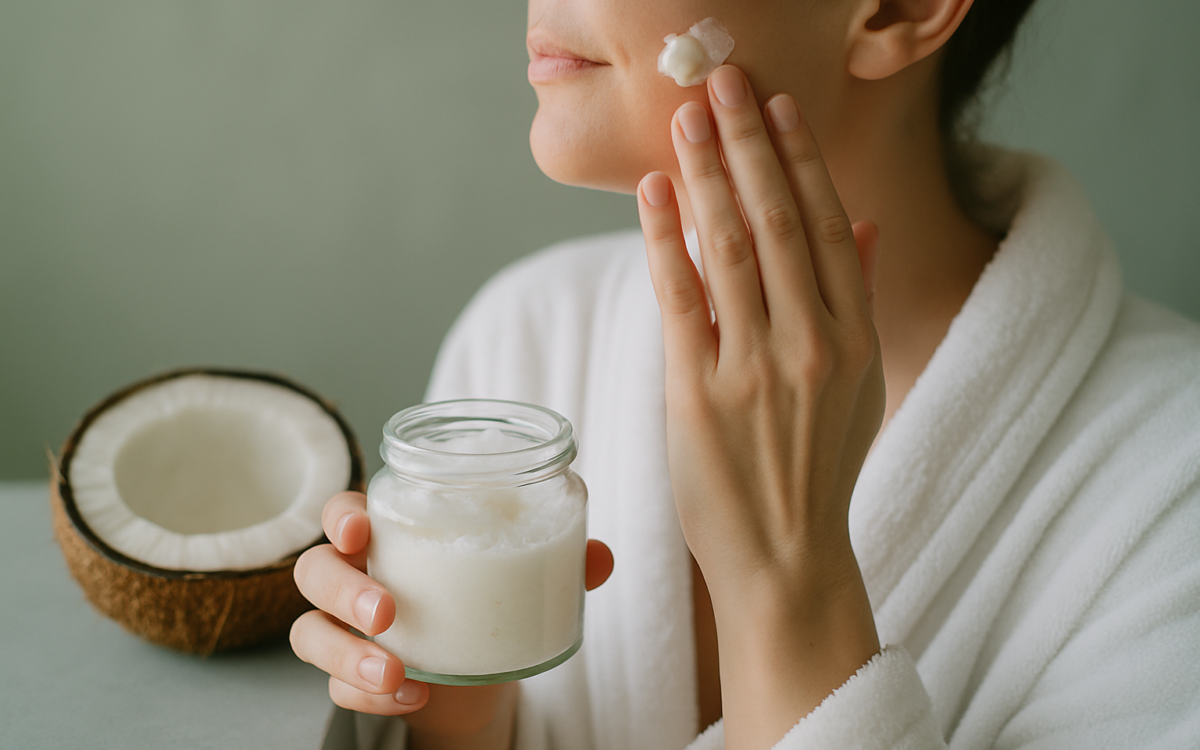
Coconut oil has gained popularity in recent years as a natural beauty product, especially in skin care routines. This versatile oil, extracted from the meat of mature coconuts, is celebrated not only for its culinary uses but also for its moisturizing properties. Many people have started using coconut oil as a face lotion to achieve soft, hydrated skin. But is it right for you? Let’s explore the advantages, disadvantages, and tips for using coconut oil on your face.
What Makes Coconut Oil Beneficial
Coconut oil is composed largely of saturated fats, making it a rich source of medium-chain fatty acids like lauric acid. These fatty acids have been shown to have antimicrobial properties, which might help in preventing infections and reducing inflammation on the skin. According to the National Institutes of Health (NIH), coconut oil can provide a protective layer on the skin, acting as a moisture barrier.
In addition to hydration, coconut oil can enhance your skin texture, giving it a smooth appearance. It is often touted for its ability to lock in moisture, thus helping to keep the skin soft and supple. Many users report that coconut oil gives their skin a healthy glow, making it a popular choice in natural skin care.
How to Use Coconut Oil as Face Lotion
Using coconut oil as a face lotion is straightforward, but it’s essential to apply it correctly for the best results. Here’s how:
- Start with Clean Skin: Wash your face with a gentle cleanser to remove any dirt and oil. This step ensures that the coconut oil can penetrate effectively.
- Use the Right Amount: A little goes a long way! Start with a pea-sized amount of coconut oil and warm it between your hands before applying. This warming makes it easier to spread and absorb into your skin.
- Apply Gently: Use your fingertips to massage the coconut oil into your face. Be gentle, especially around sensitive areas like the eyes.
- Let it Absorb: Allow the oil to sit on your skin for a few minutes before applying any makeup or additional products.
Who Should Use Coconut Oil
Coconut oil can be a great option for people with dry or combination skin. Its heavy consistency makes it particularly effective at providing moisture where it’s needed. Users with sensitive skin might find that coconut oil is soothing and less irritating than other commercial lotions.
However, those with oily or acne-prone skin should approach coconut oil with caution. The oil’s comedogenic rating is about 4 out of 5, suggesting it can clog pores for some people, potentially leading to breakouts. If you have oily skin, you might want to patch-test a small area first or consider using coconut oil mixed with another lighter oil.
Considerations and Potential Drawbacks
While coconut oil holds many benefits, it is not suitable for everyone. Here are some points to consider:
- Allergies: Some people may have an allergic reaction to coconut oil. Test a small amount on your wrist before applying it to your face to ensure it doesn’t cause redness or irritation.
- Skin Type: As mentioned, if you have oily or acne-prone skin, coconut oil could aggravate your condition. Opt for lighter moisturizers for your skin type.
- Quality Matters: Not all coconut oils are created equal. Choose high-quality, organic, virgin coconut oil to ensure the best results for your skin.
International Perspectives on Coconut Oil in Skin Care
In many tropical countries, coconut oil has been a traditional remedy for skin care for generations. Cultures that have used coconut products for centuries often swear by the benefits for skin health. This tradition has expanded globally, leading to increased interest in its properties.
For those seeking advanced treatment options, Acibadem International offers a range of dermatological services that utilize both traditional and modern techniques to address various skin concerns, including those that can arise from overuse of natural oils like coconut oil.
Maintaining a Balanced Skincare Routine
Coconut oil can make a valuable addition to your skin care regime, but it should not be the only product you use. A balanced routine might include cleansing, exfoliating, and using serums or treatments tailored to your skin’s unique needs.
For those seeking optimal hydration, consider combining coconut oil with other ingredients. Products containing hyaluronic acid or glycerin, which draw moisture to the skin, can enhance the effects of coconut oil. Using a light moisturizer underneath can also help balance the oiliness if you’re concerned about the comedogenic effects.
When to See a Doctor
If you experience any unusual reactions after using coconut oil—like redness, swelling, or itching—it’s wise to consult a dermatologist. Skin care is highly individualized, and a specialist can guide you on the best products and practices for your skin type.
Conclusion
Coconut oil can be a wonderful natural option for moisturizing your face. It offers numerous benefits, particularly for dry skin, and has the added bonus of being a multipurpose product in your beauty routine. Just remember to consider your skin type, test the oil beforehand, and possibly combine it with other products for a holistic approach to skin care. Whether you’re looking for a natural alternative or simply curious about coconut oil, it holds potential for many people.
