
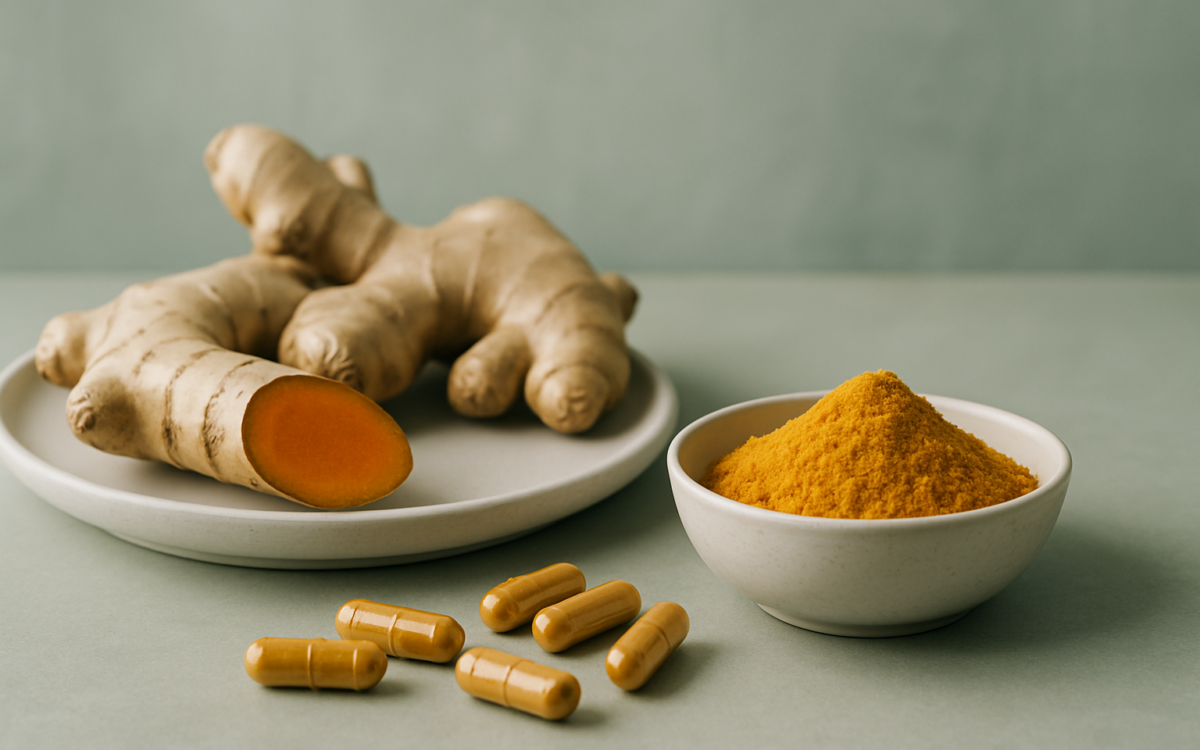
Turmeric and ginger are two spices that have gained popularity not only for their culinary uses but also for their potential health benefits. Both have been utilized in traditional medicine for centuries, and modern science is now uncovering more about their properties. In this article, we’ll delve into what makes turmeric and ginger so special, including their health benefits, suggested uses, and some important considerations.
The Power of Turmeric
Turmeric, known for its bright yellow color, comes from the root of the Curcuma longa plant. The active ingredient, curcumin, is responsible for many of its health benefits. Curcumin is an antioxidant that helps protect your body from damage caused by free radicals.
Ginger: A Spice with a Kick
Ginger, derived from the root of the Zingiber officinale plant, has a long history of use in traditional remedies. It is often used to alleviate nausea, especially during pregnancy or after surgery. Its primary active compound, gingerol, offers anti-inflammatory and antioxidant effects.
Health Benefits of Turmeric and Ginger Together
When combined, turmeric and ginger create a powerhouse of health benefits:
- Anti-inflammatory properties: Both spices contain compounds that may reduce inflammation in the body, which is a contributing factor in many chronic illnesses.
- Digestive health: Ginger is well-known for its ability to soothe the stomach, while turmeric can aid digestion and potentially reduce bloating.
- Joint health: Research has shown that curcumin can help reduce symptoms of arthritis, and ginger may also help lessen joint pain.
- Immune support: Both spices boost the immune system. Their antioxidant properties can help defend the body against illness.
- Mood enhancement: Some studies suggest that turmeric may help alleviate symptoms of depression, and ginger can aid in reducing stress.
How to Incorporate Turmeric and Ginger into Your Diet
Adding turmeric and ginger to your daily meals is easier than you might think! Here are some ideas:
- In smoothies: Add fresh or powdered ginger and turmeric to your morning smoothie for an energizing boost.
- Curries and soups: Incorporate these spices into your favorite curries, soups, or stir-fries to enhance flavor.
- Teas: Brew ginger and turmeric tea for a comforting drink. Simply steep a few slices of fresh ginger and turmeric in hot water.
- Baking: Add ginger powder or turmeric to baked goods for a nutritious twist.
An International Perspective on Treatment
The use of turmeric and ginger transcends cultures, with many international cuisines featuring these spices prominently in dishes. If you’re considering trying these spices for their health benefits, you might explore treatment in Turkey or other countries known for their holistic approaches to health. Various treatment methods may recommend dietary adjustments that emphasize these anti-inflammatory and antioxidant-rich spices.
Precautions and Considerations
While turmeric and ginger have many benefits, there are some important points to keep in mind:
- High doses can cause digestive upset in some individuals.
- Those taking blood-thinning medications should consult their doctor, as both spices can affect blood clotting.
- Pregnant women should talk to their healthcare provider before consuming large amounts of ginger.
When to See a Doctor
If you experience adverse effects or if you have existing health conditions, it’s wise to consult your doctor before adding turmeric or ginger to your routine. They can provide personalized guidance and help you determine the right approach for your health.
In conclusion, turmeric and ginger are more than just flavorful spices; they are packed with numerous health benefits that can enhance your well-being. By incorporating them into your diet, you may harness their properties to improve digestion, reduce inflammation, and even boost your immune system. Remember to consult a healthcare professional if you have any concerns regarding their use.
