
In our fast-paced lives, stretching often takes a back seat to other forms of exercise. However, dedicating time to a full body stretch can be a game changer for your health and well-being. Incorporating regular stretching into your routine not only enhances flexibility but also reduces muscle tension, helps alleviate stress, and can even boost your mood. Let’s explore the many benefits of full body stretching and how you can incorporate it into your daily life.
The Benefits of Full Body Stretching
Stretching your entire body offers a variety of physical and mental benefits:
- Improved Flexibility: Regular stretching increases your range of motion and flexibility, making it easier to perform daily activities.
- Reduced Risk of Injury: Stretching warms up your muscles and joints, preparing them for movement, which can help prevent injuries during other physical activities.
- Muscle Relaxation: Stretching promotes relaxation in your muscles, reducing tension and preventing stiffness.
- Better Posture: Regular stretching can help to realign your body, improving posture and reducing strain on your muscles.
- Stress Relief: Stretching can help reduce cortisol levels, the hormone associated with stress, promoting a sense of calm and well-being.
Types of Stretching
Understanding different types of stretching can help you choose the best approach for your needs. Here are the most common types:
Static Stretching
Static stretching involves holding a stretch for a period of time, usually between 15 to 60 seconds. This type is most effective when your muscles are warm, making it ideal for post-exercise recovery or as part of a cool-down routine.
Dynamic Stretching
Dynamic stretching involves movement and is often used as a warm-up before physical activity. It consists of active movements that help increase range of motion and warm up the muscles.
Active Stretching
Active stretching requires you to actively engage a muscle to hold the stretch without any external assistance. This type can help improve strength as well as flexibility.
Passive Stretching
Passive stretching involves holding a stretch with the help of an external force, such as a partner or a stretching strap. It’s great for those who want to enhance flexibility with less effort.
How to Perform a Full Body Stretch
Start by finding a quiet space where you can stretch comfortably. You can perform this sequence either standing or lying down, depending on your preference.
- Neck Stretch: Gently tilt your head toward one shoulder and hold for 15-30 seconds. Switch sides.
- Shoulder Stretch: Bring one arm across your chest and hold it with your opposite hand, easing into the stretch. Hold for 15-30 seconds, then switch arms.
- Triceps Stretch: Raise one arm overhead, bend the elbow, and use the opposite hand to gently pull the elbow for a deeper stretch. Hold for 15-30 seconds, then switch sides.
- Chest Stretch: Stand tall, clasp your hands behind your back, and gently lift them upward while opening your chest. Hold for 15-30 seconds.
- Back Stretch: Stand with your feet shoulder-width apart. Reach your arms above your head and lean to one side, then the other. Hold for 15-30 seconds on each side.
- Hip Flexor Stretch: Step one foot forward into a lunge position. Keep the back knee on the ground and lean slightly forward. Hold for 15-30 seconds then switch legs.
- Hamstring Stretch: Sit on the ground with one leg extended and the other bent. Reach toward your toes of the extended leg and hold. Switch legs after holding for 15-30 seconds.
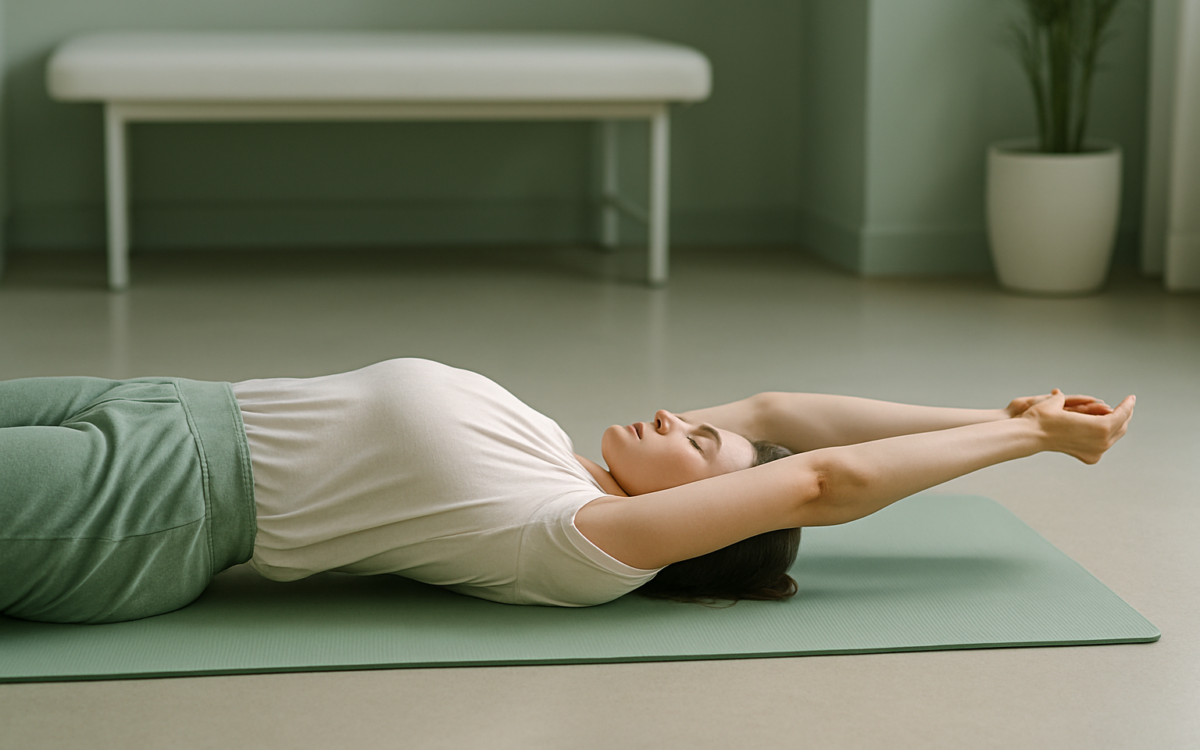
- Full Body Stretch: Lie on your back, stretch your arms above your head, and your legs straight out. Hold this position for 15-30 seconds, feeling a full-body stretch.
It’s advisable to breathe deeply and focus on your breathing while stretching, as this can enhance relaxation and effectiveness.
Incorporating Stretching into Your Routine
To reap the benefits of full body stretching, aim to incorporate it into your routine at least three to four times a week. Here are some tips to help you stick to it:
- Set a Schedule: Choose a specific time each day to stretch, whether it’s in the morning, during your lunch break, or before bed.
- Create a Routine: Develop a stretching routine that includes various stretches targeting all major muscle groups.
- Use Technology: Consider using apps or online classes that guide you through stretching exercises.
- Listen to Your Body: Pay attention to how your body feels during and after stretching, adjusting your routine as needed.
- Stay Consistent: Regular stretching will yield the best results. Make it a non-negotiable part of your fitness journey.
When to See a Doctor
If you experience pain that persists despite regular stretching, or if you have a pre-existing condition that affects your ability to stretch safely, consult a health professional. This includes severe stiffness, discomfort during stretching, or any injuries that impact mobility.
Conclusion
A full body stretch is a simple yet powerful tool to enhance your wellbeing. By dedicating just a few minutes each day to stretch, you can improve flexibility, reduce tension, and promote a sense of calm. Whether you’re an athlete or someone looking to unwind, incorporating stretching into your life can lead to lasting health benefits. Remember, listen to your body, and enjoy the process of stretching toward better health!
