
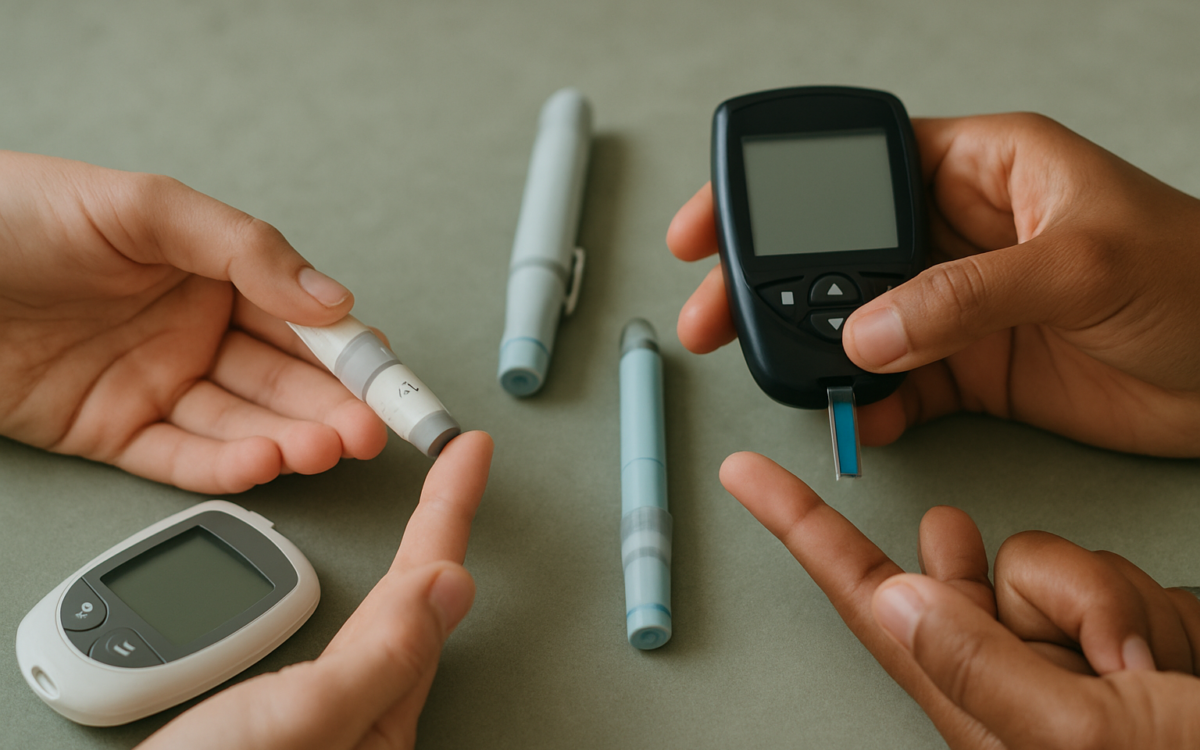
Diabetes is a chronic condition that affects how your body regulates blood sugar. Understanding the differences between type 1 and type 2 diabetes can help you recognize symptoms, seek appropriate care, and manage your health effectively. While both types involve issues with insulin, they differ significantly in their causes, symptoms, and management strategies.
What is Type 1 Diabetes?
Type 1 diabetes is often diagnosed in children and young adults, which is why it used to be known as juvenile diabetes. In this type, the body’s immune system attacks insulin-producing cells in the pancreas. As a result, people with type 1 diabetes produce little to no insulin, which is crucial for controlling blood sugar levels.
What is Type 2 Diabetes?
Type 2 diabetes is the most common form of diabetes, usually developing in adults, but can also appear in children and adolescents. Unlike type 1, the body still produces insulin in type 2 diabetes, but it either doesn’t make enough or the cells become resistant to insulin. This resistance leads to higher blood sugar levels, which can cause a range of health problems over time.
Causes and Risk Factors
- Type 1 Diabetes: The exact cause is unknown, but genetics and environmental factors, like viruses, may play a role.
- Type 2 Diabetes: Often linked to obesity, inactivity, and poor diet, other risk factors include age, family history, and high blood pressure.
Common Symptoms
Symptoms of diabetes can vary, but there are some common signs to watch for:
- Increased thirst and frequent urination
- Extreme fatigue
- Unexplained weight loss (more common in type 1)
- Blurred vision
- Slow-healing sores or frequent infections
Both types can lead to serious complications if not managed properly, including heart disease, nerve damage, and kidney problems.
Diagnosis of Diabetes
Diabetes is usually diagnosed through blood tests that measure blood sugar levels. The most common tests include:
- Fasting blood glucose test: Measures blood sugar after fasting for at least 8 hours.
- Oral glucose tolerance test: Measures blood sugar after fasting and two hours after consuming a sugary drink.
- A1C test: Provides an average blood sugar level over the past 2-3 months.
If diagnosed, it’s essential to work with your healthcare provider to establish a management plan tailored to your specific type and condition.
Managing Type 1 and Type 2 Diabetes
Management strategies can vary significantly between type 1 and type 2 diabetes:
Type 1 Diabetes Management
Insulin therapy is the cornerstone of type 1 diabetes management. Patients need to monitor their blood sugar levels regularly and administer insulin through injections or an insulin pump. It’s crucial to balance insulin doses with food intake and physical activity.
Type 2 Diabetes Management
For type 2 diabetes, lifestyle changes can play a critical role. Healthy eating, regular exercise, and maintaining a healthy weight can help manage this condition. In some cases, oral medications or insulin therapy may be prescribed if lifestyle changes alone aren’t sufficient. For individuals considering treatment options, international patient services might offer unique access to advanced diabetes care.
Living Well with Diabetes
Whether you are living with type 1 or type 2 diabetes, it’s essential to stay informed and proactive about managing your health. This includes regular check-ups with your healthcare provider, tracking your symptoms, and making healthy lifestyle choices. Education about your condition can empower you to lead a fulfilling life while managing diabetes effectively.
When to See a Doctor
If you experience symptoms of diabetes or have concerns about your blood sugar levels, it’s crucial to consult a healthcare provider promptly. Early diagnosis and management can significantly reduce the risk of complications.
Conclusion
Understanding the differences between type 1 and type 2 diabetes is vital for effective management. By recognizing the symptoms, knowing the treatment options, and making informed lifestyle choices, individuals can navigate the challenges of diabetes with confidence. Always consult your healthcare provider for personalized advice and treatment plans.
