
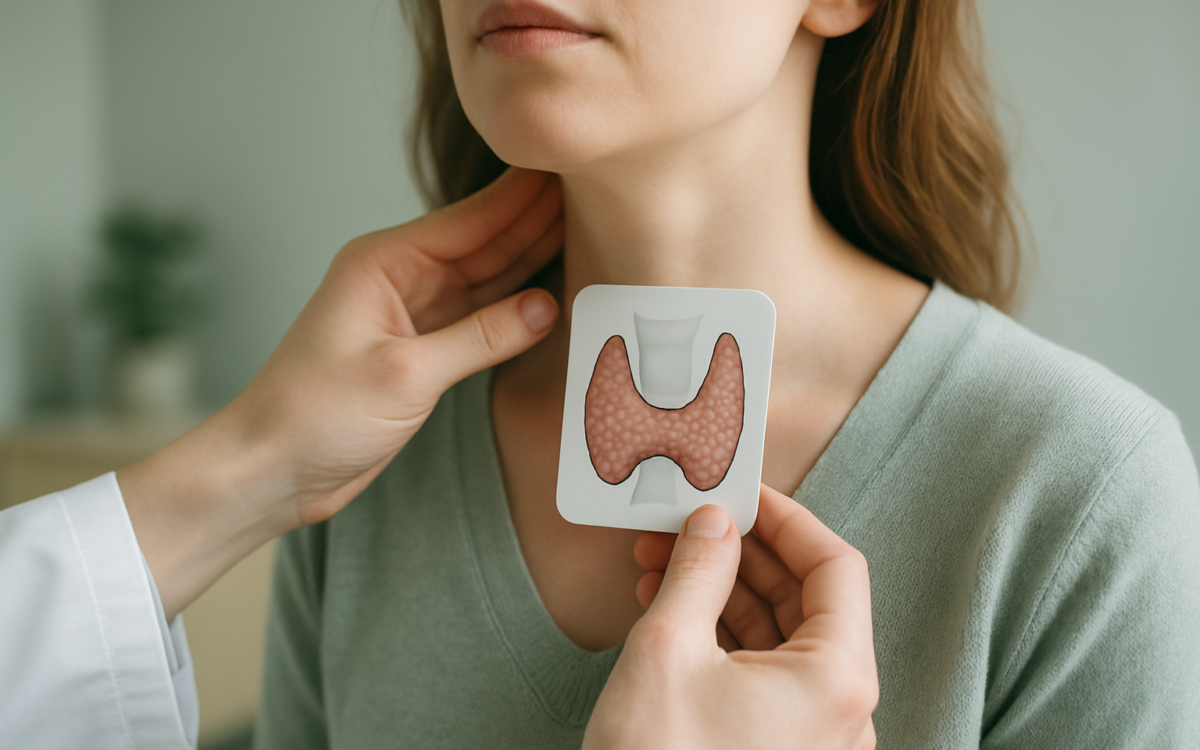
An underactive thyroid, or hypothyroidism, occurs when the thyroid gland does not produce enough thyroid hormones. This can lead to a variety of health issues, as these hormones play a crucial role in regulating metabolism, energy levels, and overall bodily functions. In this article, we will explore what an underactive thyroid means, its symptoms, causes, diagnostic methods, and treatment options.
What is the thyroid gland?
The thyroid gland is a butterfly-shaped organ located in the lower front of the neck. It produces hormones, primarily thyroxine (T4) and triiodothyronine (T3), which regulate numerous bodily processes.
Thyroid hormones are vital for:
- Metabolism: The way your body uses energy.
- Growth and development: Especially important in children.
- Body temperature regulation: Helping maintain a steady temperature.
- Heart rate: Influencing how fast your heart beats.
What does it mean to have an underactive thyroid?
When someone has an underactive thyroid, their body doesn’t have enough thyroxine and triiodothyronine. This hormonal deficiency can lead to a slowdown in metabolism and other physiological functions. Hypothyroidism can affect people of any age but is more common in women and older adults.
The thyroid can become underactive for several reasons, including autoimmune diseases, iodine deficiency, certain medications, or previous thyroid surgery.
Common symptoms of hypothyroidism
Symptoms of an underactive thyroid can vary from person to person but may include:
- Fatigue and weakness
- Weight gain
- Cold intolerance
- Dry skin and hair
- Constipation
- Depression
- Puffy face and swelling
It’s important to note that some symptoms can develop slowly, which might make them easy to overlook. This can lead many people to go undiagnosed for years.
Causes of an underactive thyroid
Several factors can contribute to hypothyroidism, including:
- Autoimmune diseases: The most common cause is Hashimoto’s thyroiditis, where the immune system attacks the thyroid gland.
- Iodine deficiency: Iodine is a crucial nutrient for thyroid hormone production. In areas lacking iodine, this can lead to hypothyroidism.
- Thyroid surgery: Removing part or all of the thyroid gland can lead to decreased hormone production.
- Radiation therapy: Treatment for head and neck cancers may impact thyroid function.
Diagnosis and treatment options
To diagnose an underactive thyroid, healthcare providers typically conduct a simple blood test to measure levels of Thyroid Stimulating Hormone (TSH) and thyroid hormones (T3 and T4). High levels of TSH with low T3 and T4 levels indicate hypothyroidism.
Once diagnosed, the primary treatment is daily use of synthetic thyroid hormone levothyroxine, which can restore hormone levels and alleviate symptoms. Regular follow-up tests are essential to monitor hormone levels and adjust doses as necessary.
For those seeking innovative care, facilities like Acibadem International offer international treatment options and expert consultations, which can be beneficial for individuals who want a more global perspective on managing their thyroid health.
Living with hypothyroidism
Many individuals successfully manage hypothyroidism through medication and lifestyle adjustments. Maintaining a balanced diet rich in fruits, vegetables, whole grains, and lean proteins can support overall health. Regular exercise is also important, as it can help mitigate some symptoms like fatigue and weight gain.
Furthermore, being informed about potential interactions between thyroid medications and certain foods or supplements is crucial. For example, foods high in soy or fiber, or supplements containing calcium or iron, may affect the absorption of thyroid medication.
When to see a doctor
If you experience symptoms such as extreme fatigue, unexplained weight gain, or changes in mood and energy levels, it’s essential to consult a healthcare provider. Early diagnosis and treatment can prevent complications and improve your quality of life.
Conclusion
An underactive thyroid can seem overwhelming at first, but understanding the condition can empower individuals to manage their health effectively. With proper treatment and lifestyle changes, most people with hypothyroidism can lead full, healthy lives. Always consult your doctor for personalized advice and to discuss any symptoms or health concerns you may have.
