
Vitamin D is vital for maintaining overall health, yet many people are unaware of how significant its role is in our bodies. One way to assess vitamin D status is through the measurement of 25-hydroxyvitamin D (25(OH)D) levels in the blood. When these levels are low, it can lead to various health issues. Understanding what low vitamin D 25 hydroxy levels mean, their causes, and how to address them can empower you to improve your health.
What is Vitamin D 25 Hydroxy?
Vitamin D is a fat-soluble vitamin that can be obtained from sunlight, certain foods, and supplements. Once in the body, it undergoes conversion in the liver to form 25-hydroxyvitamin D, a key marker used to evaluate vitamin D status. This compound plays a crucial role in regulating calcium and phosphate, which are essential for healthy bones and muscles.
Understanding Low Vitamin D 25 Hydroxy Levels
Low vitamin D levels are often defined as having serum 25(OH)D levels below 20 ng/mL (nanograms per milliliter). Various studies highlight that about 1 billion people worldwide may have low vitamin D levels, which can have significant health repercussions (NIH). In the United States, this condition is especially common among certain groups, including older adults and people with limited sun exposure.
Causes of Low Vitamin D Levels
Several factors contribute to low levels of vitamin D in the body:
- Lack of Sun Exposure: Sunlight is a primary source of vitamin D for most people. Those who don’t spend enough time outdoors or live in regions with limited sunlight can experience deficiencies.
- Dietary Insufficiency: Vitamin D is found naturally in only a few foods, such as fatty fish, beef liver, and egg yolks. Those adhering to strict vegetarian or vegan diets may lack sufficient vitamin D.
- Malabsorption Issues: Conditions such as celiac disease, Crohn’s disease, or other gastrointestinal disorders can impair the body’s ability to absorb vitamin D from food.
- Age and Skin Tone: Older adults and people with darker skin pigmentation may struggle to synthesize vitamin D, as the skin’s ability to produce this vitamin declines with age and higher melanin levels.
Symptoms of Low Vitamin D
Many people with low vitamin D levels may not experience noticeable symptoms initially. However, prolonged vitamin D deficiency can lead to:
- Fatigue: A general feeling of tiredness can signal low vitamin D levels.
- Bone Pain: Insufficient vitamin D affects bone health, leading to aches and pains.
- Muscle Weakness: This may manifest as difficulty performing daily tasks or increased susceptibility to falls.
- Increased Frequency of Illness: Low vitamin D can weaken the immune system, making individuals more prone to infections.
How is Low Vitamin D Diagnosed?
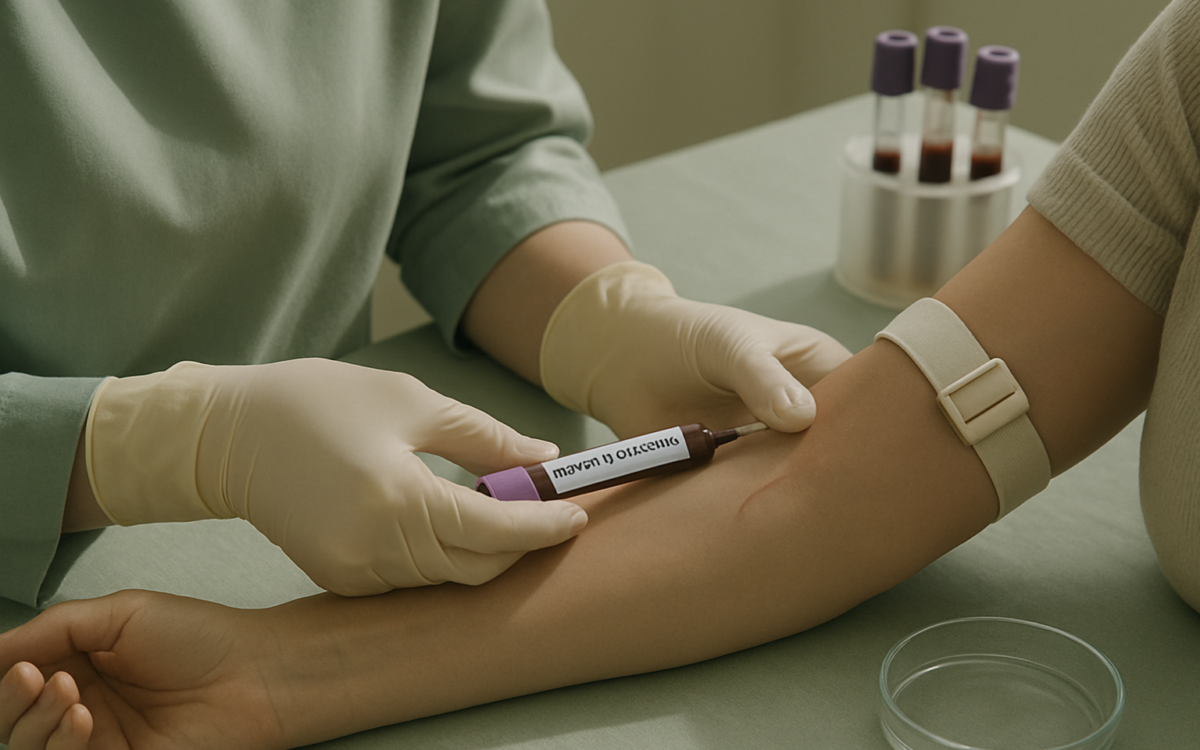
Diagnosis of low vitamin D levels typically involves a blood test measuring the concentration of 25-hydroxyvitamin D. It’s recommended to consult with a healthcare professional if you suspect you may have low levels of vitamin D. They can advise on the appropriate testing and provide a tailored approach based on your individual health needs.
Treatment Options for Low Vitamin D
Addressing low vitamin D levels generally involves one or more of the following strategies:
- Sun Exposure: Spending 10-30 minutes in the sun several times a week can boost vitamin D levels, although care should be taken to avoid overexposure.
- Dietary Changes: Incorporating vitamin D-rich foods like fatty fish, mushrooms exposed to UV light, and fortified products can help. For those with dietary restrictions, fortified plant-based alternatives may be beneficial.
- Supplements: If you can’t get enough vitamin D through sunlight and diet, supplements may be necessary. However, it’s crucial to consult a doctor to determine the appropriate dosage based on your specific blood levels.
When to See a Doctor
If you’re experiencing symptoms associated with low vitamin D or have risk factors for deficiency, such as being elderly or having malabsorption issues, it’s essential to seek medical advice. A healthcare provider can offer guidance tailored to your situation and recommend the best course of action.
Conclusion
Low vitamin D 25 hydroxy levels can affect many aspects of health, from bone integrity to immune function. Understanding the risks, causes, and treatments available can help you take proactive measures for your well-being. If you’re concerned about your vitamin D levels, speak with a healthcare professional to ensure you’re on the right track. Remember, informed decisions lead to better health outcomes.
