
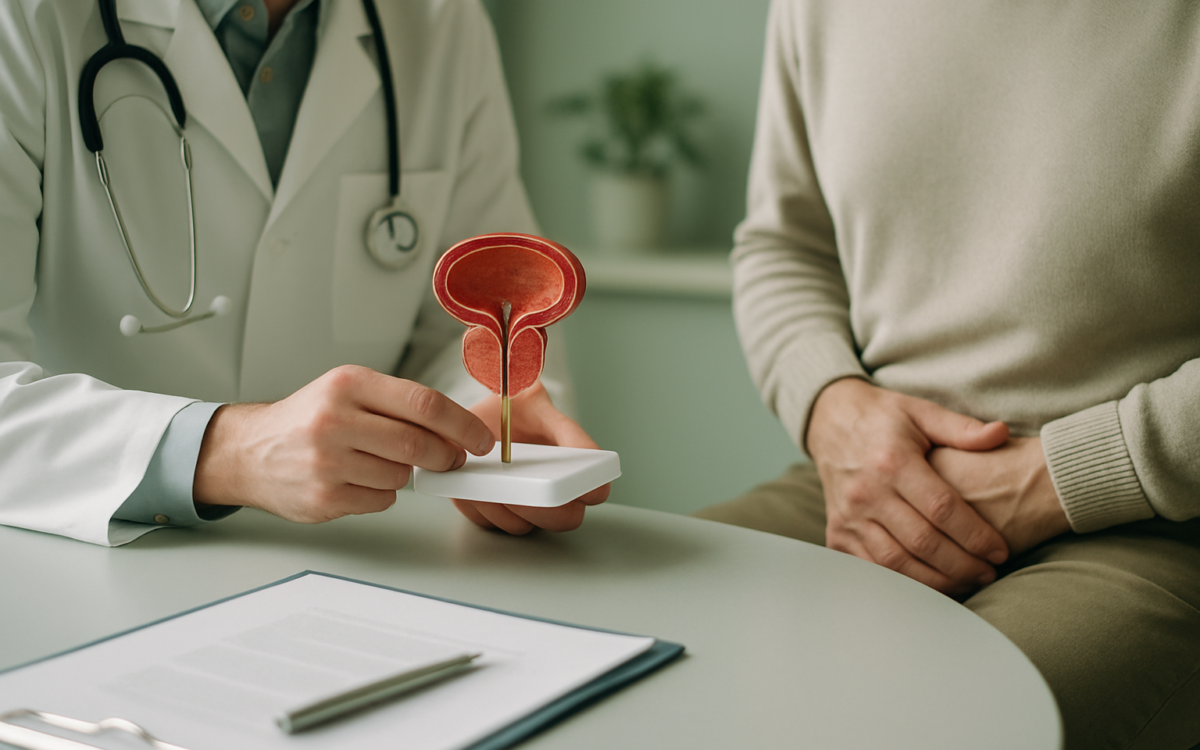
Prostate enlargement, also known as benign prostatic hyperplasia (BPH), is a common condition among older men. As men age, the prostate gland often increases in size, leading to various urinary symptoms. This condition is not cancerous, but it can significantly affect a man’s quality of life.
What is prostate enlargement?
The prostate is a small gland located below the bladder and surrounds the urethra, the tube that carries urine out of the body. It plays a crucial role in producing seminal fluid, which nourishes and transports sperm. With age, the prostate can grow larger, which may cause it to press against the urethra and lead to difficulties with urination.
Causes of prostate enlargement
While the exact cause of prostate enlargement is not fully understood, several factors may contribute to its development:
- Aging: As men grow older, the likelihood of experiencing BPH increases.
- Hormonal changes: Changes in testosterone and estrogen levels as men age may play a role.
- Genetic factors: A family history of prostate issues can increase the risk.
Common symptoms to watch for
Prostate enlargement can lead to a variety of urinary symptoms, including:
- Difficulties starting urination
- Weak or interrupted urine flow
- The feeling of not completely emptying the bladder
- Frequent urination, especially at night
- Urgent need to urinate
These symptoms can vary in severity. For some men, symptoms may be mild and manageable, while others may find them disruptive to daily life.
Diagnosis and evaluation
If you are experiencing symptoms of prostate enlargement, it is essential to consult with a healthcare provider. They will conduct a thorough evaluation, which may include:
- A medical history review to discuss symptoms and medical background
- A physical examination, including a digital rectal exam (DRE) to assess the prostate size
- Urine tests to rule out infections or other conditions
- Additional tests like a prostate-specific antigen (PSA) test to check for prostate health
For more detailed guidance on prostate evaluation, you can visit reputable sources like the Mayo Clinic.
Treatment options
Many men with prostate enlargement do not require treatment if their symptoms are mild. However, if symptoms cause significant discomfort, various treatment options are available:
Lifestyle changes
Simple lifestyle adjustments can help manage symptoms. These may include:
- Reducing caffeine and alcohol intake
- Practicing double voiding techniques (urinating, then waiting a moment to try again)
- Staying hydrated, but limiting fluid intake before bedtime
Medications
Several medications are available to help relieve the symptoms of prostate enlargement. Alpha-blockers can relax the muscles around the prostate, while 5-alpha-reductase inhibitors help reduce the size of the prostate over time. Discussing these options with your healthcare provider is important to find the most suitable choice.
Minimally invasive procedures
If medications are ineffective, various minimally invasive procedures can reduce prostate size or relieve urinary blockage:
- Transurethral resection of the prostate (TURP)
- Laser therapy to shrink or destroy excess prostate tissue
- Urolift procedure, which helps to lift and hold the enlarged prostatic tissue out of the way
Living with prostate enlargement
Prostate enlargement is a common condition, and many men find effective management strategies for their symptoms. If you are experiencing discomfort or have questions about prostate health, it is essential to maintain a dialogue with your healthcare provider.
When to see a doctor
If you notice any of the symptoms mentioned earlier, such as difficulty urinating, increased frequency of urination, or a sense of urgency, consult your healthcare provider. It is also vital to seek medical advice if you experience severe urinary retention, blood in your urine, or painful urination, as these may indicate more serious conditions.
Conclusion
Prostate enlargement is a widely recognized issue among older men, but understanding the condition and its treatment options can empower you to take control of your health. Remember, it’s essential to talk to your doctor if you have concerns or symptoms regarding prostate enlargement. Early evaluation and management can lead to better health outcomes and improved quality of life.
